Burkina Faso Dairy Sector Advocates for Local Milk in School Canteens
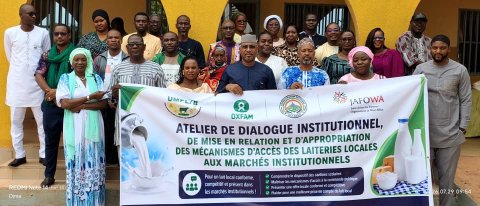
Stakeholders in Burkina Faso's dairy industry are advocating for local milk to become a staple in institutional markets, particularly school canteens. Producers, processors, public procurement officials, technical and financial partners, and representatives from local authorities convened in Bobo-Dioulasso on July 29-30, 2026, for a multi-stakeholder workshop. The workshop focused on improving access for mini-dairies to public markets. The ultimate goal is to establish local milk as a key product within these institutional settings. This initiative aims to bolster the domestic dairy sector by creating consistent demand from public institutions. By integrating local milk into school feeding programs, the sector seeks to enhance food security and support local economies. The discussions highlighted the importance of collaboration between different actors to overcome existing barriers and create sustainable market opportunities for Burkinabe milk producers and processors. The event underscored a commitment to developing a robust and self-sufficient dairy supply chain within the country.
This initiative by Burkina Faso's dairy sector to integrate local milk into school canteens represents a strategic effort to stimulate domestic production and consumption. By targeting institutional procurement, the sector aims to create a stable demand channel, potentially reducing reliance on imports and fostering economic development. The multi-stakeholder approach suggests an understanding of the complex ecosystem required for such an integration, involving producers, processors, and government entities. Looking ahead, the success of this policy will likely depend on ensuring consistent quality, competitive pricing, and efficient supply chain logistics to meet the demands of public institutions. Furthermore, the long-term viability may hinge on aligning these efforts with broader national food security and agricultural development strategies, considering potential impacts on nutritional outcomes for students and the economic resilience of rural communities in the face of evolving climate and market dynamics.
AI-generated to prompt reflection — not editorial opinion, not advice, not a statement of fact. How this works.