Burkina Faso Digital: Issifou Sorgho Champions Digital Inclusion
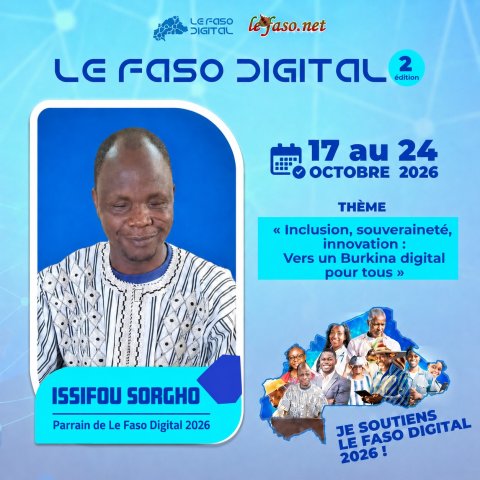
With Le Faso Digital 2026 less than 100 days away, the series highlighting key figures in Burkina Faso's digital landscape continues. This installment features Issifou Sorgho, a social entrepreneur, accessible IT trainer, and patron of Le Faso Digital 2026. Sorgho's journey underscores the principle that technological innovation is only meaningful if it is universally accessible. He became visually impaired in 1992, a personal experience that has profoundly shaped his professional mission. Sorgho is dedicated to making digital tools inclusive for everyone in Burkina Faso. His work focuses on training and accessibility, aiming to bridge the digital divide. The initiative Le Faso Digital 2026 is a significant event for the country's technological advancement. Sorgho's involvement as a patron emphasizes the importance of social impact in digital development. The series aims to showcase 100 individuals contributing to the nation's digital future, each with unique paths and inspirations.
This initiative highlights a strategic focus on digital inclusion within Burkina Faso, positioning technology as a tool for social equity rather than solely economic growth. The emphasis on accessibility, particularly through figures like Issifou Sorgho who has personal experience with visual impairment, suggests a forward-thinking approach to digital development. By framing innovation through the lens of universal access, Burkina Faso appears to be addressing potential systemic contradictions where technological advancement could otherwise exacerbate existing social inequalities. The long-term vision, as indicated by the 'Le Faso Digital 2026' event, suggests a commitment to integrating digital literacy and tools into the fabric of society, potentially fostering a more resilient and equitable future economy. This approach could serve as a model for other nations seeking to leverage digital transformation for broad societal benefit.
AI-generated to prompt reflection — not editorial opinion, not advice, not a statement of fact. How this works.