Burkina Faso, Mali, and Niger Begin Withdrawal from International Criminal Court
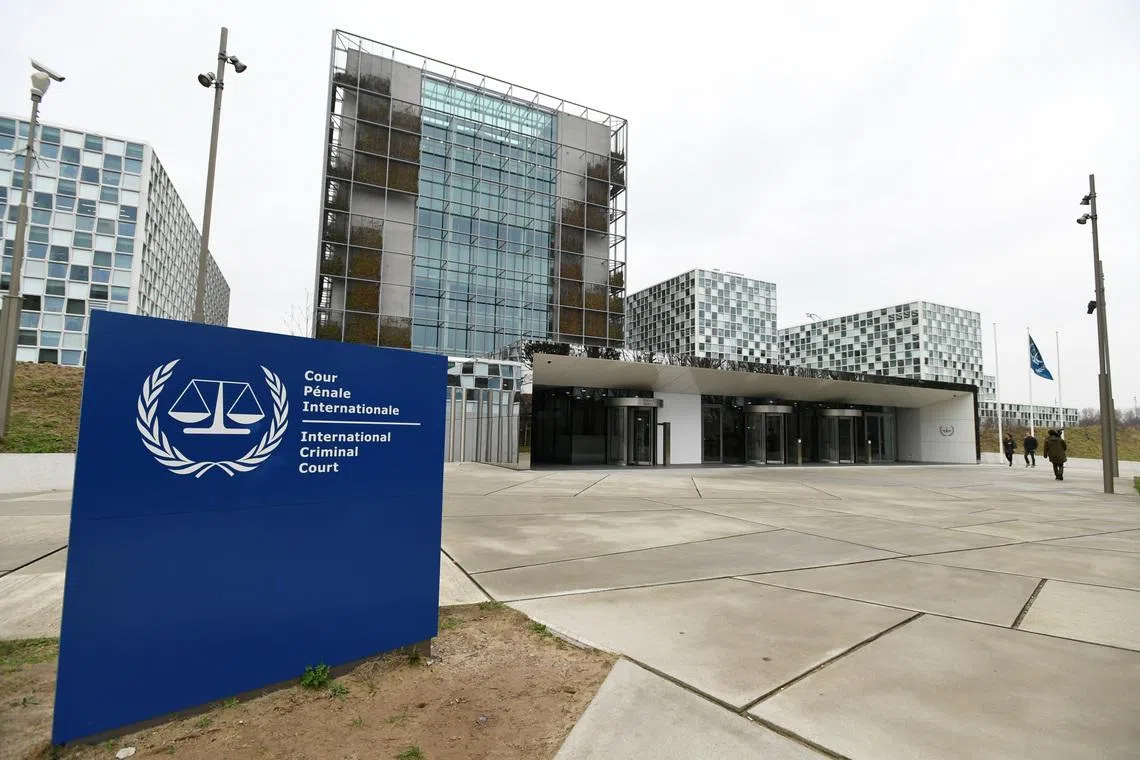
Burkina Faso, Mali, and Niger have officially started the process to withdraw from the International Criminal Court (ICC). The court confirmed this development in a statement released on July 2. This withdrawal is not immediate; it initiates a year-long procedure. The three West African nations are seeking to disengage from the court's jurisdiction. The implications of this collective move by these neighboring countries remain to be seen. Their decision marks a significant shift in their engagement with international justice mechanisms. The ICC has not provided further details on the specific reasons cited by the nations for their withdrawal. This development could impact the court's future investigations and its standing in the region.
The decision by Burkina Faso, Mali, and Niger to withdraw from the ICC reflects a growing trend of nations reassessing their commitment to international legal frameworks. This move may be driven by perceptions of sovereignty, perceived biases, or a desire to pursue justice through alternative domestic or regional mechanisms. From a systemic perspective, such withdrawals can challenge the universality and effectiveness of international law, potentially creating a fragmented global justice landscape. Over the next decade, as geopolitical alignments shift and the influence of non-Western powers grows, we may see further re-evaluations of international institutions. This situation prompts consideration of how international courts can adapt to maintain relevance and legitimacy in an evolving world order, balancing national interests with global accountability.
AI-generated to prompt reflection — not editorial opinion, not advice, not a statement of fact. How this works.