Burning Agricultural Fields After Harvest is Prohibited, Officials State
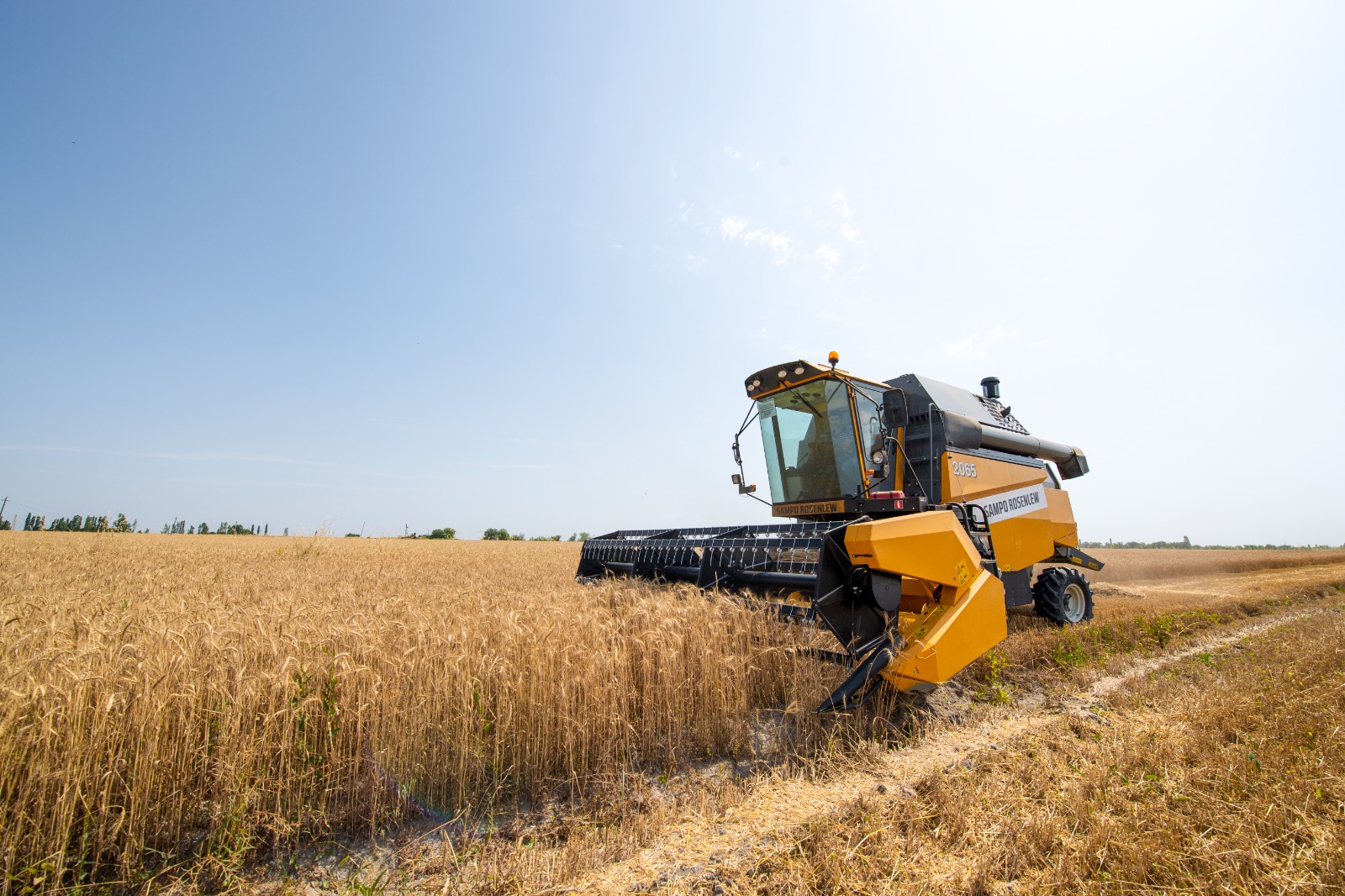
Authorities in Azerbaijan have officially declared that burning agricultural fields after the harvest is strictly prohibited. This directive aims to prevent environmental damage and ensure sustainable agricultural practices. The practice of burning stubble and crop residues is known to contribute to air pollution, soil degradation, and loss of valuable organic matter. It can also pose a significant fire risk to surrounding areas, including forests and residential zones. The government's stance underscores a commitment to modernizing agricultural methods and aligning with international environmental standards. Farmers are expected to adhere to these new regulations, which may involve alternative methods for residue management, such as plowing the stubble back into the soil or using it for composting. Enforcement measures and potential penalties for non-compliance are anticipated to be communicated to the agricultural community. This ban is part of a broader effort to protect natural resources and promote ecological balance within the country's farming sector.
The prohibition on post-harvest field burning reflects a growing global awareness of the environmental externalities associated with traditional agricultural practices. From a systemic perspective, this policy shift incentivizes farmers to adopt more sustainable residue management techniques, potentially leading to improved soil health and reduced air quality issues. While the immediate impact may require adjustments in farming operations and potentially incur additional costs for farmers, the long-term benefits include enhanced ecological resilience and a decreased risk of uncontrolled fires. This aligns with a broader trend towards valuing environmental stewardship within economic activities, anticipating future regulatory landscapes that prioritize sustainability and climate change mitigation.
AI-generated to prompt reflection — not editorial opinion, not advice, not a statement of fact. How this works.