Burundi Market Fires Spark Questions, Says Anti-Corruption Watchdog
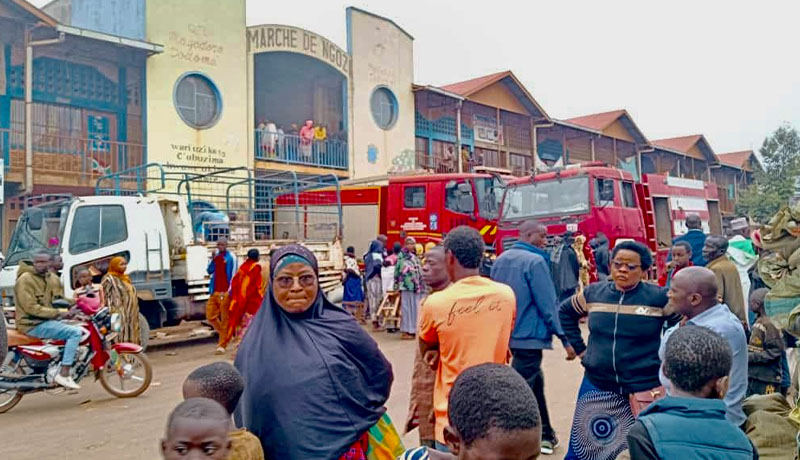
The Ngozi market, located in the provincial capital of Butanyerera, was engulfed in flames on the evening of Thursday, July 9th. This incident is not the first of its kind in Burundi's history of market fires. The Observatory for the Fight Against Corruption and Economic Malpractices (OLUCOME) has voiced concerns and called for accountability regarding these recurring events. OLUCOME emphasizes the need to investigate the root causes of these fires, suggesting that they may not always be accidental. The organization highlights the significant economic impact these fires have on traders and the broader community. OLUCOME is urging authorities to conduct thorough and transparent investigations into the Ngozi market fire and other similar incidents. The watchdog group believes that a lack of proper oversight and potential negligence could be contributing factors. They are demanding clear answers and preventative measures to safeguard market infrastructure and the livelihoods of those who depend on it. The recurring nature of these fires raises serious questions about security protocols and the effectiveness of current safety measures in Burundi's markets.
The repeated destruction of market infrastructure in Burundi, exemplified by the Ngozi market fire on July 9th, raises significant governance and economic stability questions. OLUCOME's call for accountability suggests a potential systemic issue, whether it stems from inadequate safety regulations, enforcement failures, or deliberate acts. The economic disruption caused by such events disproportionately affects vulnerable traders, hindering local commerce and potentially exacerbating poverty. Examining the incentive structures for market security and investigating potential negligence or malfeasance are crucial steps. Moving forward, implementing robust preventative measures and ensuring transparent investigations will be vital for fostering confidence in market operations and protecting livelihoods in the long term.
AI-generated to prompt reflection — not editorial opinion, not advice, not a statement of fact. How this works.