Burundi's Arusha Accord: Celebrated Abroad, Neglected at Home
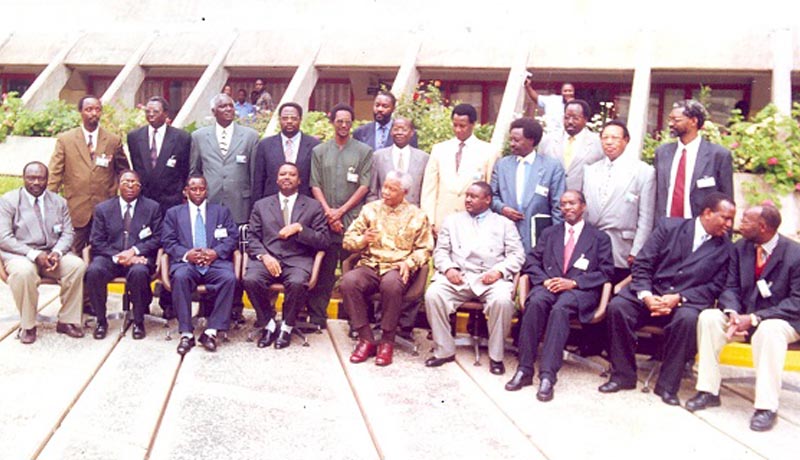
Twenty-six years after its signing, the Arusha Accord in Burundi continues to be lauded internationally as a successful model. However, a closer examination of the circumstances surrounding its negotiation reveals a different picture. The accord was reportedly finalized under urgent conditions, influenced by the pressure of an embargo, and sometimes negotiated in less than ideal settings that resembled informal gatherings more than formal peace talks.
This re-evaluation of the negotiation process prompts a reconsideration of the questions surrounding the accord's legacy today. While its external recognition persists, the internal reality of its creation suggests a need to move beyond mere citation and engage with a deeper understanding of its historical context and practical implications for Burundi.
The Arusha Accord's enduring international reputation contrasts with the reported pragmatic, and perhaps compromised, conditions of its negotiation. This suggests a potential divergence between the symbolic value of peace agreements and the complex realities of their implementation. Examining such discrepancies can illuminate how external validation might obscure internal challenges. Future peace processes could benefit from a more critical assessment of negotiation dynamics, considering how urgency and external pressures may shape outcomes, potentially leading to agreements that are more aspirational than fully grounded in immediate domestic consensus. This perspective encourages a focus on the systemic factors that influence negotiation environments and their long-term efficacy.
AI-generated to prompt reflection — not editorial opinion, not advice, not a statement of fact. How this works.