Bus Overturns on BR-040 After Driver Allegedly Threatens to Crash
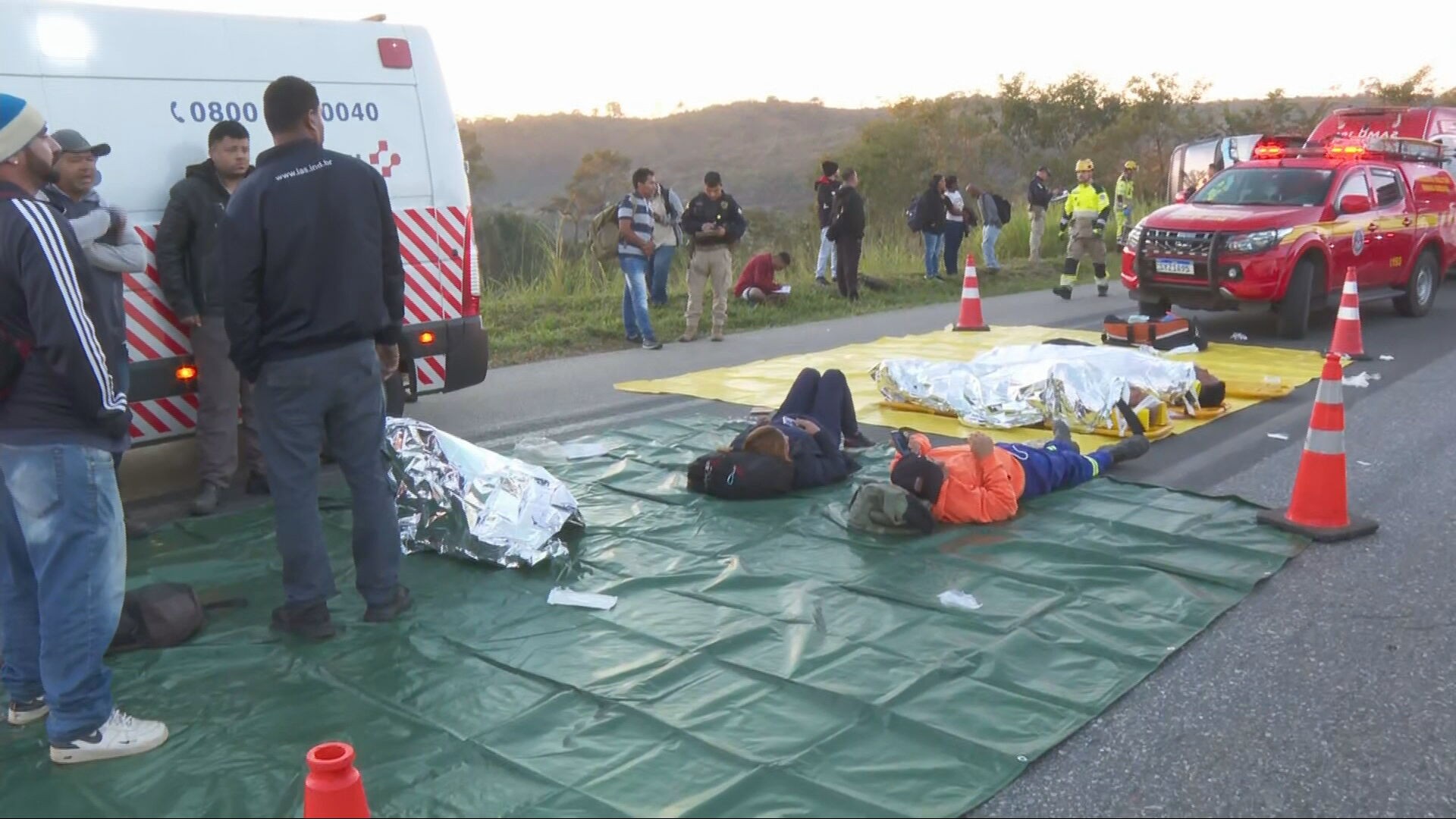
An investigation has been launched into the overturning of a public transport bus on BR-040 in Ribeirão das Neves, near Belo Horizonte, which occurred early Wednesday, July 8th. The bus, operating on line 319, veered off the road and overturned while entering a return ramp. According to the Fire Department, 21 people received medical attention at the scene, with 16 injured individuals transported to hospitals in Belo Horizonte and Ribeirão das Neves. Fortunately, no fatalities or severe injuries were reported. Passenger accounts regarding the cause of the accident vary significantly. One passenger, painter José Célio dos Santos, reported that the incident followed a dispute after the driver stopped to allow a friend to buy coffee. Santos claims passengers complained about the delay, prompting the driver to issue a threat: "He said out loud he was going to overturn the bus." Another passenger, sanitation worker Toninho Batista, described the driver as agitated and speeding before the crash, stating it happened after a passenger questioned the late arrival. Conversely, construction worker Luiz Felipe Moura suggested the driver may have experienced a medical emergency, stating, "He tried to stop the bus, he fainted here, when he went to turn he fainted." The Federal Highway Police reported that military police removed the driver from the scene to prevent further altercations with passengers. Sintram confirmed the bus's documentation and maintenance records were up-to-date, having passed inspection on July 2nd. Both the prefecture and Sintram have pledged a thorough investigation to determine the exact cause of the crash.
This incident highlights the critical importance of driver well-being and robust safety protocols in public transportation. The diverging passenger accounts—ranging from alleged driver malice to a potential medical episode—underscore the challenges in reconstructing events and the need for objective data, such as telematics and immediate post-incident driver assessments. The investigation must consider not only mechanical and road conditions but also the psychological and physiological state of the operator. In an era of increasing automation, such events serve as a stark reminder of the human element's continued significance and the systemic vulnerabilities that arise when driver stress or health issues are not adequately managed within operational frameworks. Future systems may need enhanced monitoring to preemptively identify and address operator distress, balancing efficiency with an unwavering commitment to passenger safety.
AI-generated to prompt reflection — not editorial opinion, not advice, not a statement of fact. How this works.