Business Chamber Urges Lawmakers to Restore Original 4-Day Work Week Bill
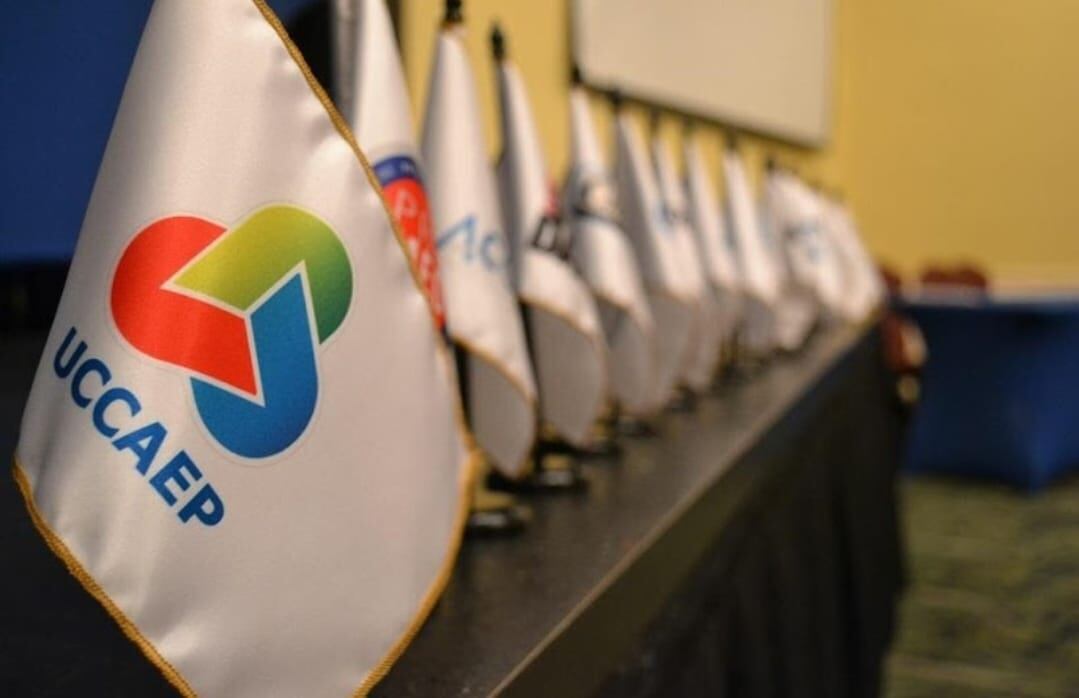
The Costa Rican Union of Chambers and Associations of Private Enterprise (Uccaep) has formally requested that legislators reinstate the original wording of the 4-day work week bill. Uccaep argues that the amendments made to the legislation during its passage through the legislative assembly have rendered the proposal unworkable. The business chamber believes that the current version of the bill is no longer viable for implementation. They are urging deputies to revert to the initial text to ensure the project's feasibility. This call highlights a significant disagreement between business interests and the proposed legislative changes regarding work hours. The outcome of this request will determine the future of the 4-day work week initiative in Costa Rica. Uccaep's stance suggests a concern that the modified bill may not achieve its intended benefits or could introduce unforeseen complications for employers.
The Uccaep's request to revert to the original 4-day work week bill text suggests a potential conflict between legislative intent and practical business implementation. Amendments, while often intended to broaden support or address concerns, can inadvertently introduce complexities that undermine a bill's core objectives. This situation underscores the delicate balance required in labor reform, where policy must align with economic realities and operational feasibility. As automation and AI continue to reshape work structures, legislative frameworks need to be adaptable yet robust, considering both employee well-being and business sustainability. The debate over the 4-day work week reflects broader societal shifts in prioritizing work-life balance, but its successful integration hinges on carefully considered and viable legislative design.
AI-generated to prompt reflection — not editorial opinion, not advice, not a statement of fact. How this works.