Business Leader Slams Exclusion from Mega-Reform Commission, Cites 'Collusion'
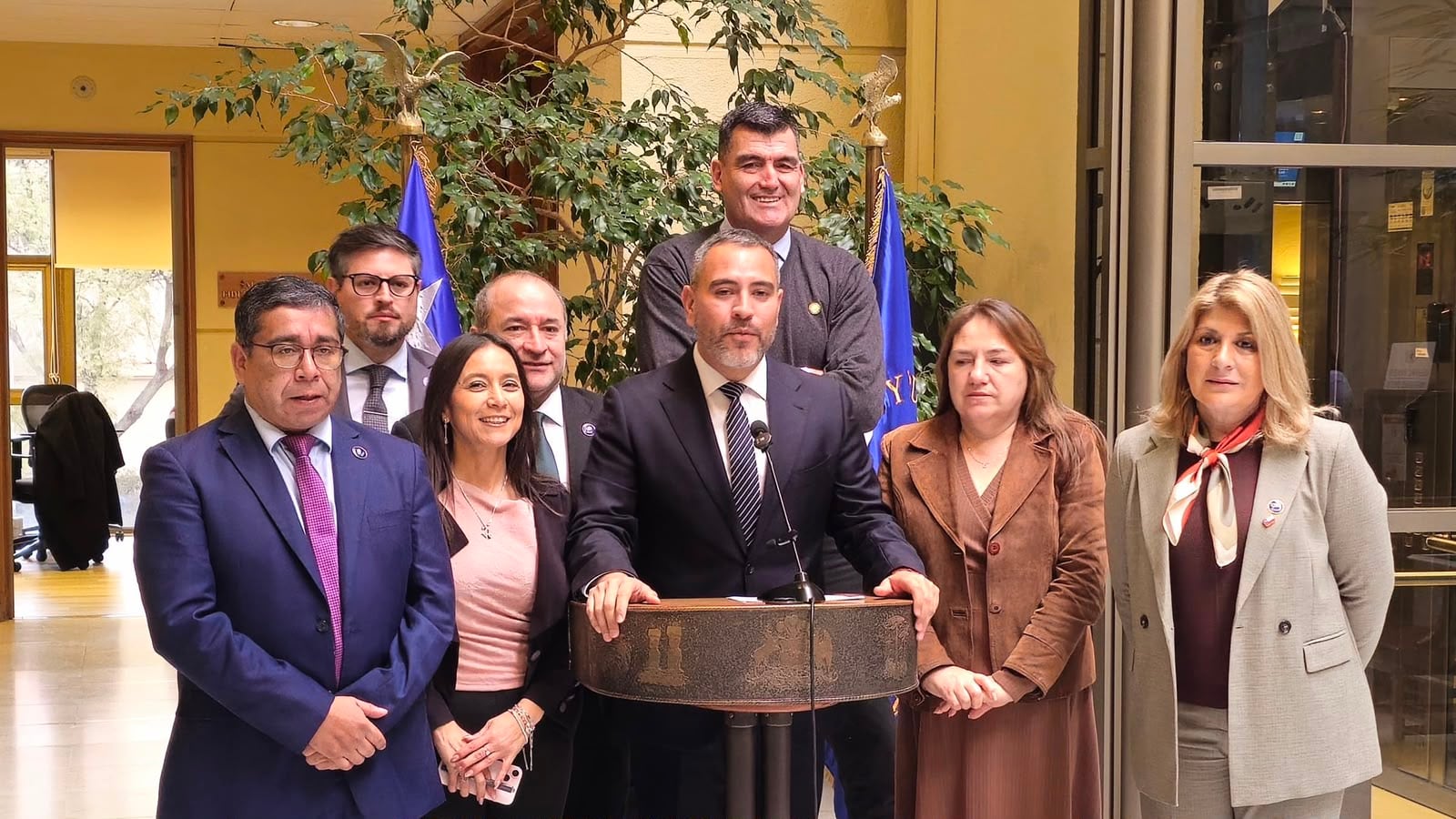
A business leader has criticized the composition of a joint commission tasked with a "mega-reform," expressing strong disapproval over the lack of private sector representation. The leader alleged a "collusion between the left and the right" in the selection process, suggesting that political interests have sidelined crucial business perspectives. The commission, established by the Chamber of Deputies, includes representatives from various political parties. These members are Diego Schalper of RN, Agustín Romero of Republicans, Flor Weisse of UDI, Jorge Brito of FA, and Daniel Manouchehri of PS. The absence of business voices in discussions about significant reforms raises concerns about the potential impact on economic policies and the business environment. This development highlights a recurring tension between political decision-making and private sector input in shaping national reforms. The specific nature of the "mega-reform" remains undefined in this context, but its scope appears to be substantial enough to warrant broad stakeholder engagement. The criticism suggests a perceived imbalance in the reform process, potentially leading to policies that may not adequately consider economic realities or business needs.
The exclusion of business representatives from a significant reform commission, as alleged by a business leader, points to a potential disconnect between political governance and economic stakeholders. This situation may reflect broader challenges in policy-making where established political factions, regardless of ideological alignment, prioritize legislative control over diverse input. The accusation of 'collusion' suggests a perception that the reform process is being shaped by internal political dynamics rather than a comprehensive assessment of national needs. Moving forward, such exclusions could lead to reforms that face implementation hurdles or unintended economic consequences, underscoring the importance of inclusive policy development in an era demanding agile and adaptive economic strategies.
AI-generated to prompt reflection — not editorial opinion, not advice, not a statement of fact. How this works.