Business Sustainability Hinges on Leader's Ability to Develop Successors
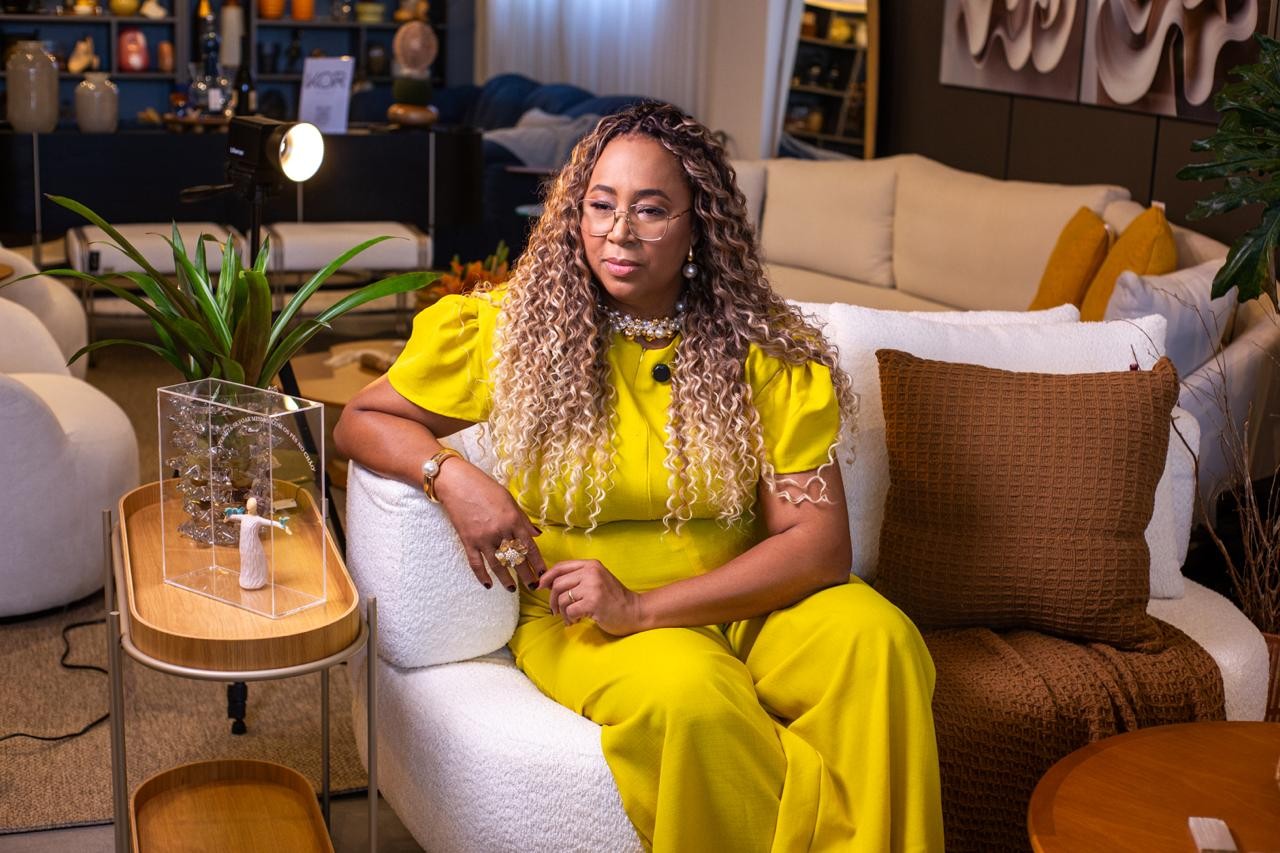
In today's rapidly evolving market, a company's long-term viability depends less on products or strategies and more on leadership quality and the ability to cultivate capable successors. Business mentor and consultant Kênia Cristina emphasizes that a leader's true test isn't their presence, but the company's continued growth and consistency during their absence. Historically, some markets valued indispensable leaders who centralized decisions and problem-solving. However, this model can hinder business expansion by concentrating knowledge within one individual, making the organization dependent on that leader's constant presence.
Cristina argues that this centralization paradoxically weakens a company, as excessive reliance on a single manager reduces team autonomy and slows response times in a fast-paced environment. The goal of leadership, she explains, is not to be the sole problem-solver but to foster an environment where individuals can collectively develop solutions. True succession planning involves building a culture of shared knowledge, responsibility, and decision-making, starting daily with teaching rather than just executing tasks. Companies that invest in employee development preserve their culture, adapt better to change, and improve talent retention by offering growth opportunities that increase commitment and belonging.
Developing leaders is now a core business strategy, not just an HR initiative, as people are a company's greatest asset. Sustainable businesses thrive on multiplying competencies, not hoarding knowledge. Empowering teams with autonomy prepares them to tackle challenges and make decisions aligned with company goals. Cristina suggests a simple exercise: "Would the company continue to function efficiently if the leader were absent for three months?" A positive answer indicates team autonomy, robust processes, and effective knowledge sharing. Leaders who develop others build more resilient companies, less vulnerable to market shifts, capable of sustained growth through shared vision and multiplied leadership capacity.
The article highlights a critical shift in organizational development, moving from a focus on individual leader indispensability to the strategic cultivation of successor talent. This perspective reframes leadership not as a position of ultimate authority, but as a catalyst for distributed capability and resilience. In an era increasingly defined by rapid technological advancement and unpredictable market dynamics, organizations that fail to embed knowledge and decision-making across their workforce risk obsolescence. The emphasis on shared responsibility and continuous learning is paramount for fostering adaptability and mitigating the systemic vulnerabilities inherent in centralized control structures. Future-proofing a business requires building an organizational architecture that can sustain momentum and innovation irrespective of individual personnel changes, thereby ensuring long-term viability and competitive advantage.
AI-generated to prompt reflection — not editorial opinion, not advice, not a statement of fact. How this works.