Businesses Willing to Boost CSR, But Not as Government Funding Source
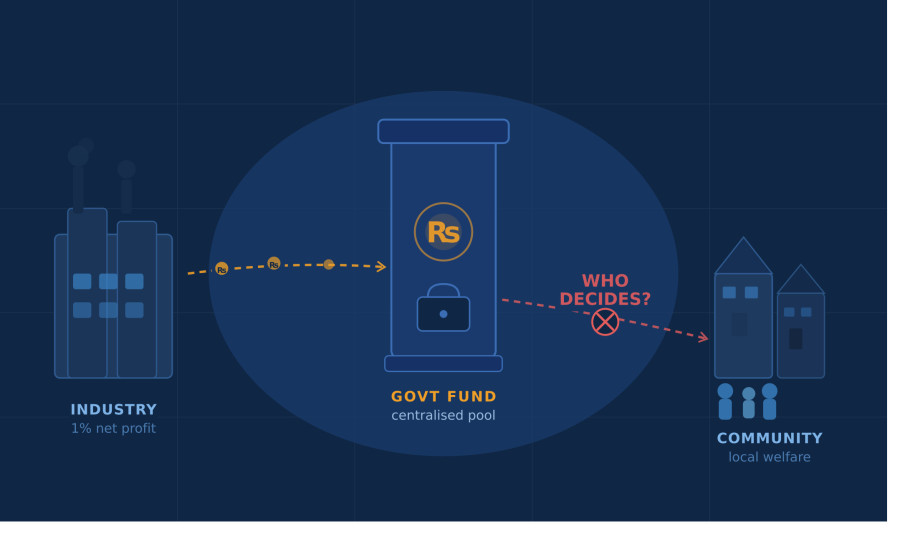
Business leaders have stated that Corporate Social Responsibility (CSR) is an inherent duty of companies, not a mechanism for generating government revenue. They emphasize that while the private sector is prepared to enhance its spending on social responsibility initiatives, these funds should not be viewed as a substitute for public finances. The sentiment among these leaders is that CSR expenditures are a voluntary commitment reflecting a company's values and its role within society. They believe that mandating CSR spending or treating it as a direct revenue stream for the government could undermine its voluntary nature and potentially stifle genuine corporate commitment. The focus remains on integrating social responsibility into core business strategies, rather than as a financial obligation to the state. This stance suggests a desire to maintain control over how and where CSR funds are allocated, aligning them with specific corporate social goals and stakeholder expectations.
The private sector's assertion that Corporate Social Responsibility (CSR) is a distinct corporate duty, rather than a government revenue source, highlights a fundamental tension in public-private partnerships for social development. This position suggests a preference for voluntary, self-directed initiatives over externally mandated financial contributions. Such a framework allows companies to align CSR activities with their brand values and strategic objectives, potentially leading to more authentic engagement. However, it also raises questions about accountability and the scale of impact achievable without more structured, potentially government-influenced, resource allocation. The challenge lies in fostering a collaborative environment where corporate social contributions are both meaningful and contribute effectively to broader societal needs, without compromising the voluntary spirit or creating undue financial burdens that could deter investment.
AI-generated to prompt reflection — not editorial opinion, not advice, not a statement of fact. How this works.