Businessman and girlfriend charged in engineer's death after São João festival in Paraíba
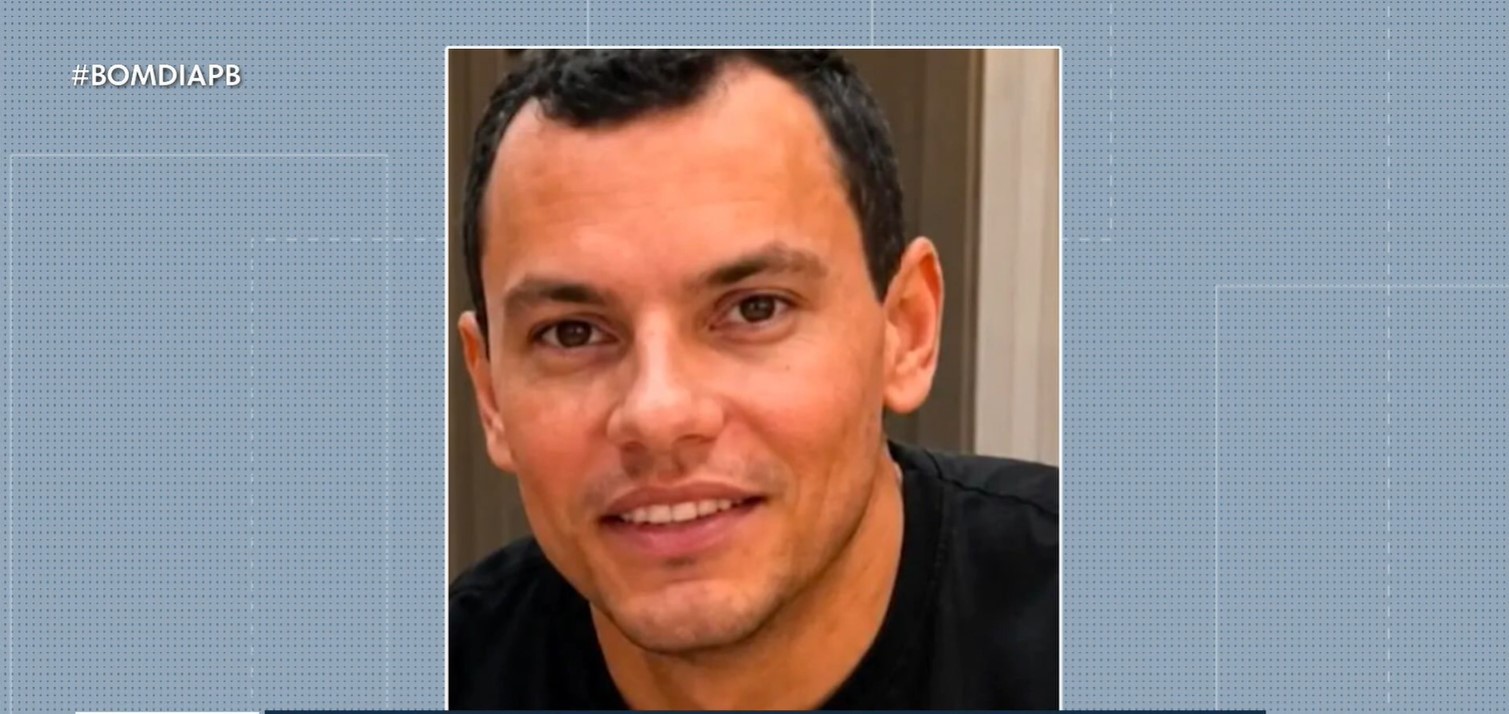
The Public Prosecutor's Office of Paraíba (MPPB) has formally charged businessman Christian Medeiros Veiga Dantas Costa and his girlfriend, Larissa Maria Leal de Freitas, in connection with the death of civil engineer Rubens Fernandes da Costa Filho, also known as "Rubinho." According to the MPPB, Christian is accused of carrying out the murder, while Larissa allegedly incited him and provided material assistance. The charges include qualified homicide motivated by trivial reasons, using means that created common danger, and employing methods that hindered the victim's defense. Christian also faces charges for bodily harm, for allegedly assaulting Rubens' fiancée and sister-in-law on the day of the incident, and for illegal firearm possession. The MPPB is seeking compensation of at least R$200,000 for the victim's family and has requested the case be sealed under judicial secrecy. Rubens, aged 29, was fatally shot in the chest after an altercation at a private São João festival in Lagoa Seca, Paraíba, on Sunday, June 21. His family described their profound grief and shock, emphasizing Rubens' peaceful nature and dedication to his work. The victim's cousin stated that the family intends to pursue all legal avenues to ensure justice. Police identified the suspect as Cristian Dantas, a businessman from the Campina Grande region, who was arrested at the scene. The weapon used in the crime has been seized. Rubens was taken to the Campina Grande Trauma Hospital but succumbed to his injuries. Christian Dantas also sustained injuries during the fight, received medical attention, and was subsequently taken into custody pending a custody hearing.
This case highlights the critical role of judicial processes in addressing violent crimes stemming from personal disputes, particularly in social settings like festivals. The charges of qualified homicide, incitement, and material assistance suggest a complex interplay of individual actions and complicity. The MPPB's pursuit of significant moral damages underscores the profound impact of such events on victims' families and the legal system's role in seeking restorative justice. Moving forward, understanding the underlying motivations, such as alleged jealousy, and the effectiveness of legal frameworks in preventing similar incidents will be crucial. The case also raises questions about public safety at private events and the potential for escalating conflicts, emphasizing the need for robust conflict resolution mechanisms and responsible alcohol consumption policies to mitigate risks in social gatherings.
AI-generated to prompt reflection — not editorial opinion, not advice, not a statement of fact. How this works.