Businessman Arrested for Land Fraud Also Suspected in Solar Energy Scams
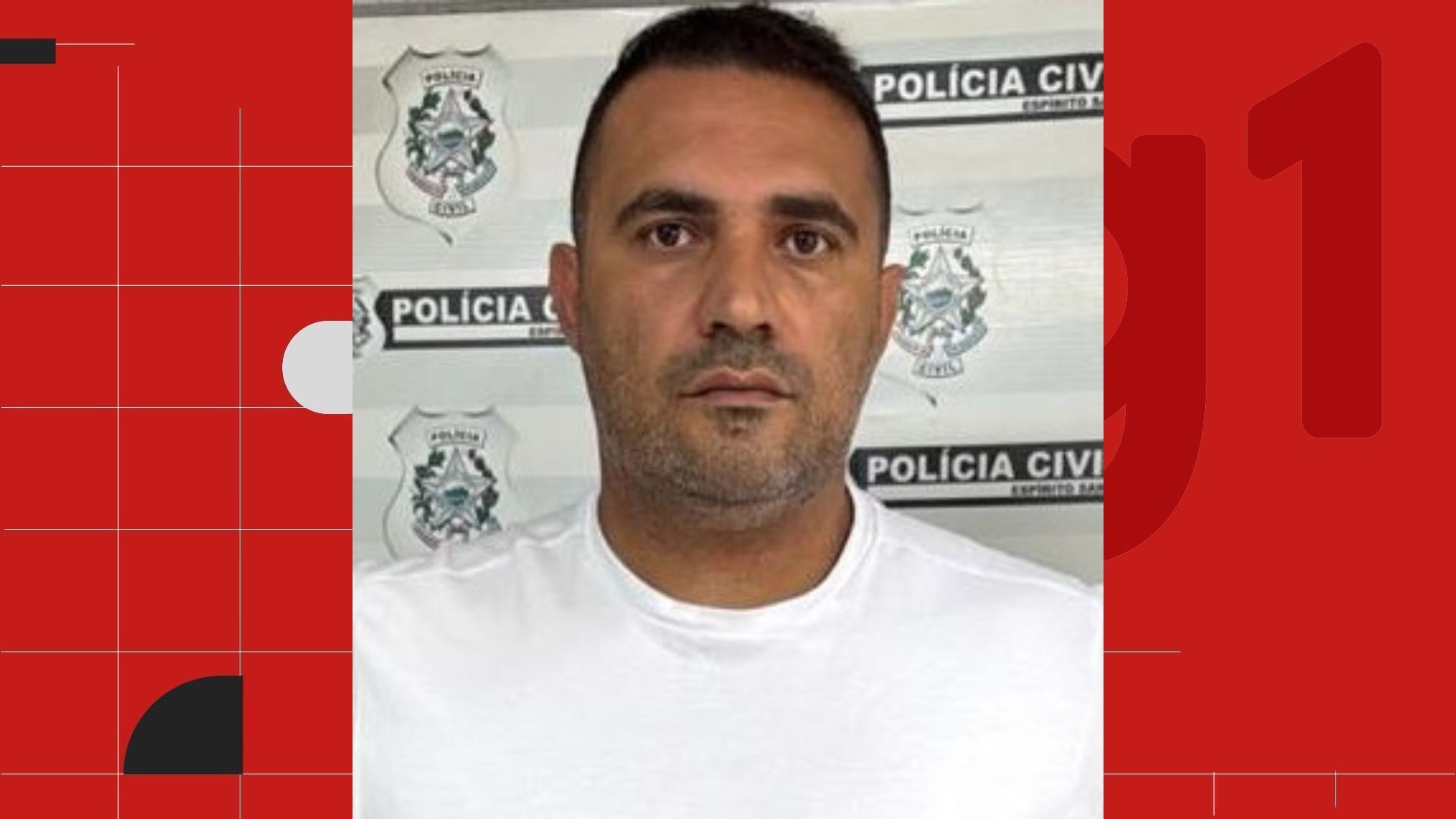
Vinicius Pires da Silva Allazio, a 40-year-old businessman, has been arrested in Vila Velha, Espírito Santo, Brazil, on suspicion of fraud related to the irregular sale of land. Allazio is also under investigation for alleged scams involving his solar energy company, VP Solar. Victims report that the company accepted advance payments for solar equipment and installation services that were never delivered. Attempts to contact the company after payments were made resulted in no response and financial losses for the customers. Allazio was initially detained on July 9th for fraud and was found with a R$100,000 check from one of the victims. Investigators believe Allazio was part of a group that used falsified documents to sell land belonging to third parties, aiming to legitimize these illegal transactions. The land involved was reportedly part of a 62,000 square meter area valued at R$670 million, which is currently subject to legal disputes. In addition to the land fraud, Allazio faces a preventive arrest warrant for scams in the solar energy sector. A 85-year-old retiree and an evangelical church are among the alleged victims of the solar energy scheme. The retiree paid R$50,000 of a R$65,000 contract for solar system installation, which was due within 70 to 100 days and never completed. The church also paid R$64,990 for a solar system that was not installed within the contracted 100-day period. The church's attempts to resolve the issue through the company and consumer protection agencies were unsuccessful. The delegate noted that Allazio's business practices were complex, involving brokers and construction companies, and that other individuals are also being investigated.
This case highlights significant vulnerabilities in consumer protection within emerging markets, particularly concerning advanced technology installations like solar energy systems. The alleged dual fraud scheme, spanning both real estate and renewable energy sectors, suggests a pattern of exploiting trust and regulatory gaps. The complexity of the alleged operations, involving falsified documents and multiple business fronts, points to systemic issues in due diligence and oversight for both consumers and financial institutions. Moving forward, enhanced regulatory frameworks for both land sales and solar installation contracts, coupled with more robust enforcement mechanisms, are crucial to prevent similar occurrences and foster genuine market confidence. The rapid closure of physical business locations and shift to online operations by the solar company also raises questions about the agility of consumer protection agencies in responding to evolving business models.
AI-generated to prompt reflection — not editorial opinion, not advice, not a statement of fact. How this works.