Businessman Claims He Fell Asleep at Wheel After Hitting Couple on Motorcycle
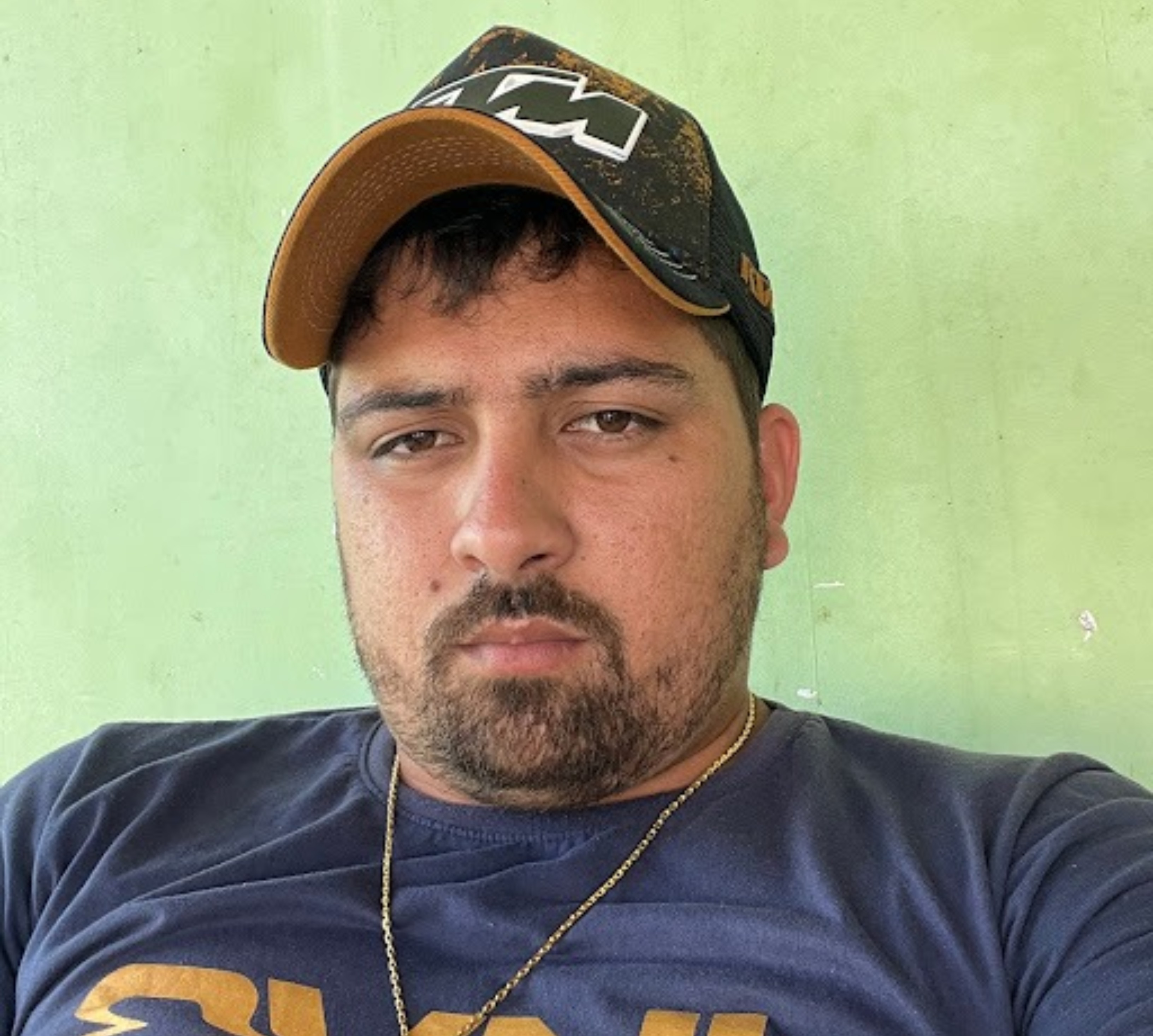
A 32-year-old construction businessman, Onésio Escórcio de Menezes Neto, is suspected of hitting a couple on a motorcycle and fleeing the scene without offering assistance in Boa Vista. In a statement to the police on Tuesday, January 14th, Menezes Neto claimed he fell asleep at the wheel after experiencing a "blackout." He stated that he left work at 11 PM on Saturday, January 11th, had dinner with his girlfriend, and then consumed an energy drink at a gas station. Early Sunday morning, January 12th, he went to Ville Roy Avenue with friends to observe restaurant activity. He asserted he did not consume alcohol due to a gastrointestinal reflux treatment. Menezes Neto explained his failure to stop was due to fear of being lynched. He only presented himself to the authorities after being contacted by a traffic accident detective. Police investigation indicates he was driving a pickup truck when he struck the motorcycle-riding couple, who were stopped at a traffic light. Security camera footage captured the collision, showing the victims being thrown from the motorcycle and the truck continuing without stopping. The victims, both 48 years old, are hospitalized with serious injuries, including fractures and deep cuts. The case is being investigated for negligent bodily harm, failure to render aid, and leaving the scene of an accident. The suspect's defense stated he voluntarily appeared, is cooperating with authorities, and is committed to providing assistance and compensation to the victims.
This incident highlights the critical importance of driver attentiveness and adherence to traffic laws, particularly in urban environments. The suspect's claims of falling asleep and fearing a lynching, while presented as explanations for his actions, underscore a failure to prioritize the safety and well-being of others. The legal framework surrounding hit-and-run offenses and failure to render aid exists to ensure accountability and provide recourse for victims. Moving forward, discussions around public safety infrastructure, such as enhanced traffic enforcement and emergency response protocols, could mitigate the impact of such events. Furthermore, understanding the systemic factors that may contribute to driver fatigue or impairment, alongside the psychological responses to accidents, can inform preventative strategies and victim support systems.
AI-generated to prompt reflection — not editorial opinion, not advice, not a statement of fact. How this works.