Businessman killed by mistake at barbershop; mother says he stopped by chance
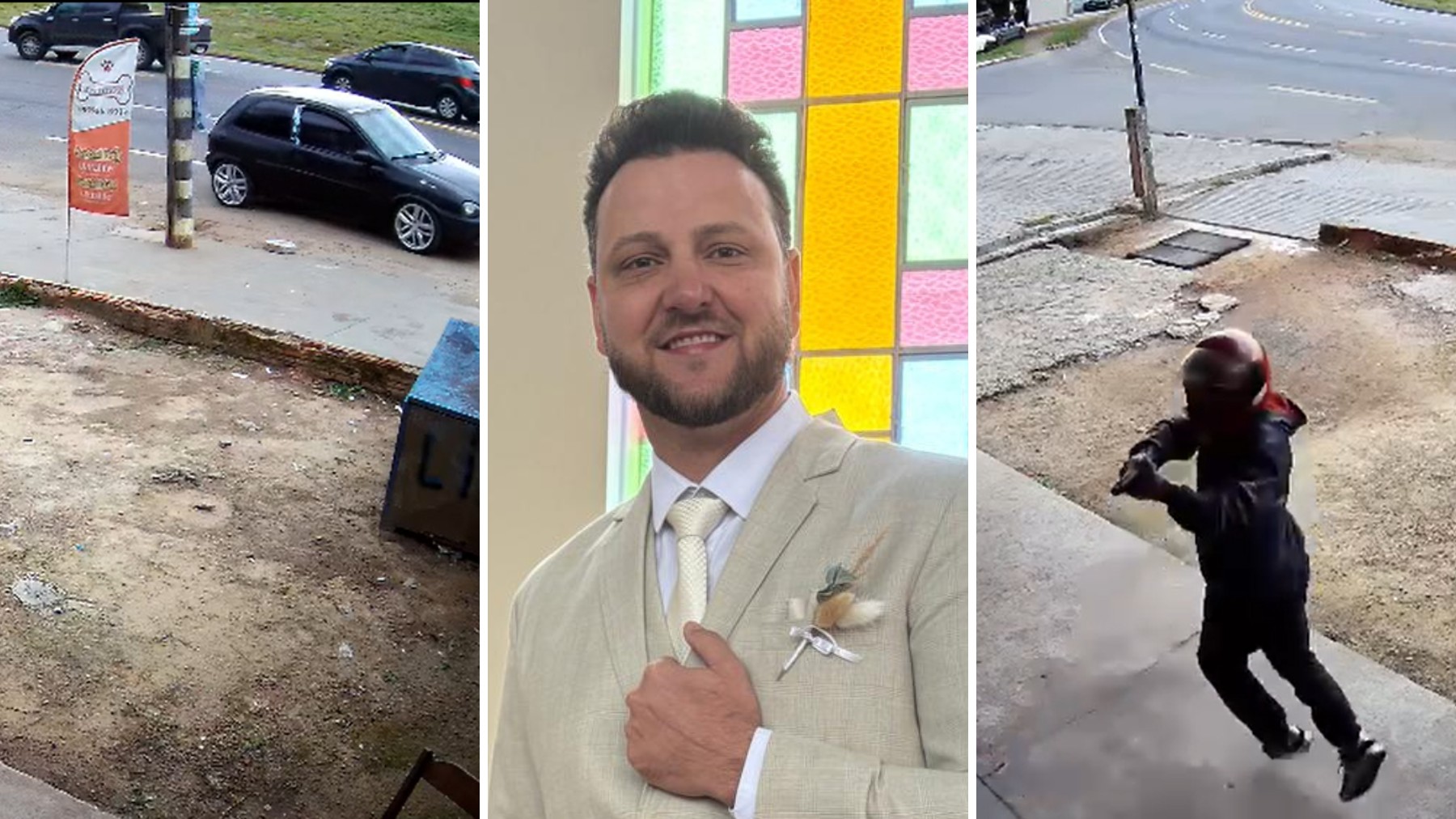
Hugo Gabriel Moll, a businessman in the civil construction sector, was mistakenly killed in a barbershop in Ponta Grossa, Paraná, Brazil, on June 19. His mother, Osvaldina Moll, stated that Hugo was not a regular client of the establishment and only stopped to trim his beard because he was about to travel with his 12-year-old son. He had decided to stop after seeing another customer leave, unaware that this individual was the intended target of the crime. The actual target was reportedly involved in drug trafficking. According to Police Chief Luis Gustavo Timossi, the suspects were informed that their target was at the barbershop but failed to notice he had left minutes earlier. Arriving and opening fire immediately, they struck Hugo, who died at the scene. Security cameras captured the event, showing the intended victim leaving about 10 seconds before Hugo parked his truck, and the assailants arriving approximately 10 minutes later. The barbershop employee, João Victor Pereira, was also shot in the chest and hospitalized for over 20 days; he is now recovering at home. Police believe the barber was shot in an apparent attempt to eliminate witnesses. The Civil Police announced Hugo was killed by mistake on Tuesday, June 28, following the arrest of five suspects. These individuals include a 34-year-old alleged organizer with prior drug trafficking and weapons charges, a 24-year-old who allegedly supplied support and weapons and has a history of homicide and drug offenses, and a 27-year-old responsible for monitoring the target and driving the getaway vehicle, with prior drug charges. Two other suspects, aged 25 and 19, were also arrested, though their specific roles are still under investigation. The complex investigation involved analyzing data from traffic systems, security cameras, and forensic evidence.
This tragic incident highlights the critical vulnerabilities in intelligence gathering and execution within criminal operations. The fatal error underscores how critical real-time situational awareness is; a mere 10-second window of opportunity, or lack thereof, can lead to catastrophic misidentification and loss of innocent life. The involvement of multiple individuals in planning and execution suggests a structured criminal enterprise, yet the operational failure points to potential systemic issues in communication, target verification, or adherence to protocols. From a future perspective, the increasing reliance on surveillance technology, while aiding investigations, also creates a complex ecosystem where sophisticated actors must constantly adapt to avoid detection, potentially leading to more desperate and error-prone actions. The case also raises questions about the effectiveness of current law enforcement strategies in dismantling such organizations and preventing collateral damage.
AI-generated to prompt reflection — not editorial opinion, not advice, not a statement of fact. How this works.