Businessman Killed in Barber Shop Mistake in Brazil Was Not a Target
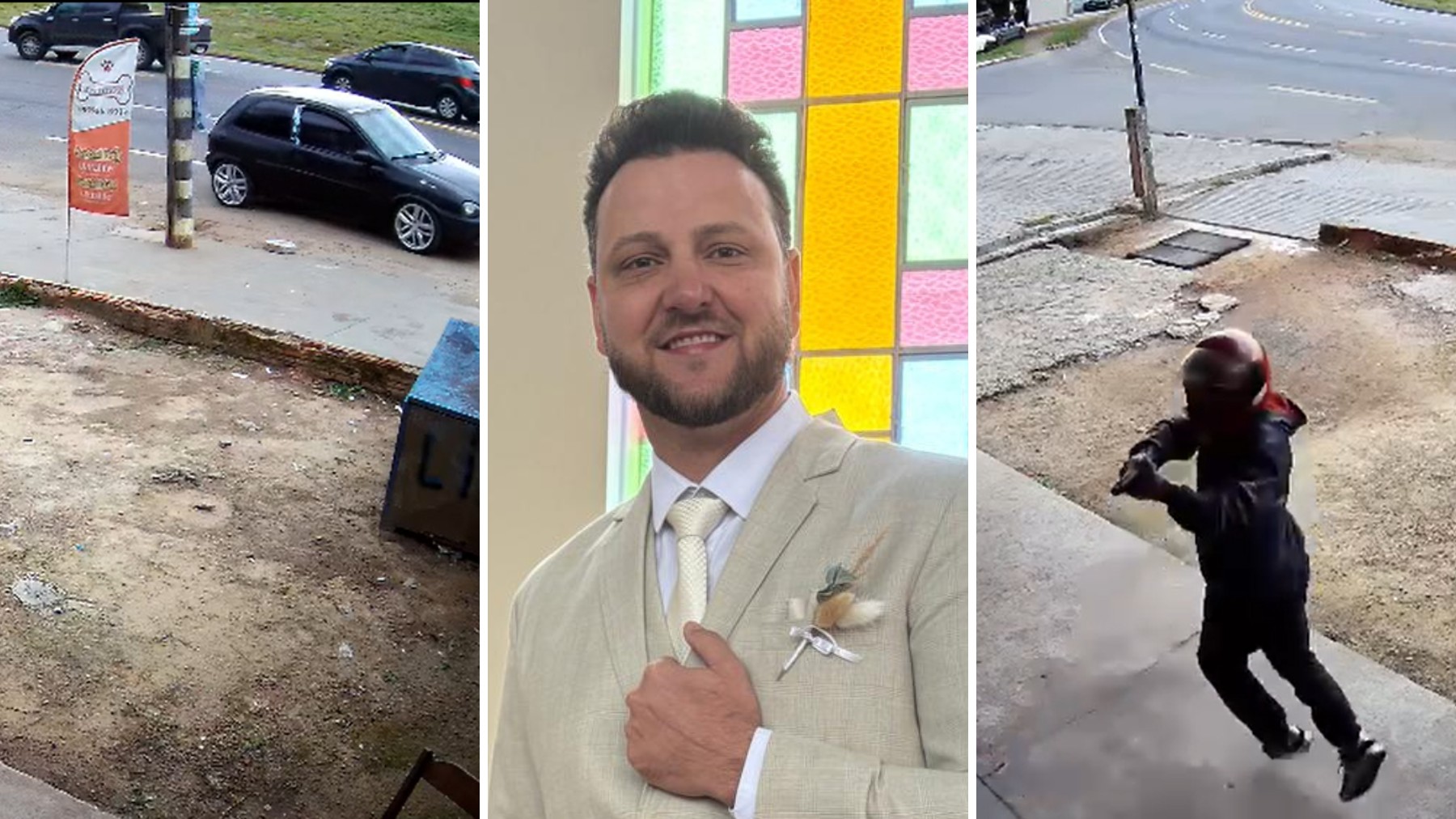
A businessman, Hugo Gabriel Moll, was mistakenly killed in a barber shop in Ponta Grossa, Paraná, Brazil, on June 19th. Moll was not a client of the establishment and had stopped by chance to trim his beard before traveling with his 12-year-old son. His mother, Osvaldina Moll, stated that he decided to stop after seeing another customer leave. Police identified the intended target as a man involved in drug trafficking. According to delegate Luis Gustavo Timossi, the suspects were informed the target was at the barber shop but did not realize he had left minutes earlier. They arrived and began shooting, fatally striking Moll. Security footage confirmed the intended victim left the barber shop about 10 seconds before Moll parked his truck, and the assailants arrived approximately 10 minutes later. The barber, João Victor Pereira, was also shot in the chest and hospitalized for over 20 days but is now recovering. Police believe the barber was shot in an apparent attempt to eliminate witnesses. Moll, a civil construction businessman, was married and had a 12-year-old son, with no prior criminal record. Five suspects have been arrested in connection with the crime, including a 34-year-old alleged organizer with a criminal record for drug trafficking, illegal firearm possession, and bodily harm; a 24-year-old accused of providing support and weapons, with a history of homicide, drug trafficking, and receiving stolen goods; and a 27-year-old responsible for surveillance and driving the getaway vehicle, with drug trafficking charges. Two other suspects, aged 25 and 19, are also in custody, though their specific roles are still under investigation.
This incident highlights the severe risks associated with organized crime's operational methods, particularly the reliance on potentially flawed intelligence and the disregard for collateral damage. The mistaken identity killing of Hugo Gabriel Moll, an innocent bystander, underscores the critical need for improved intelligence gathering and verification processes within criminal organizations to prevent tragic miscarriages of justice. Furthermore, the attack on the barber suggests a pattern of eliminating witnesses, indicating a calculated strategy to obstruct investigations. The police's methodical approach, involving extensive data analysis and surveillance, is crucial for dismantling such operations. Looking ahead, the increasing sophistication of criminal networks and their methods necessitates a parallel advancement in law enforcement technology and investigative techniques to ensure public safety and uphold the rule of law.
AI-generated to prompt reflection — not editorial opinion, not advice, not a statement of fact. How this works.