Businessman Loses $11,000 in Boa Vista Construction Material Scam
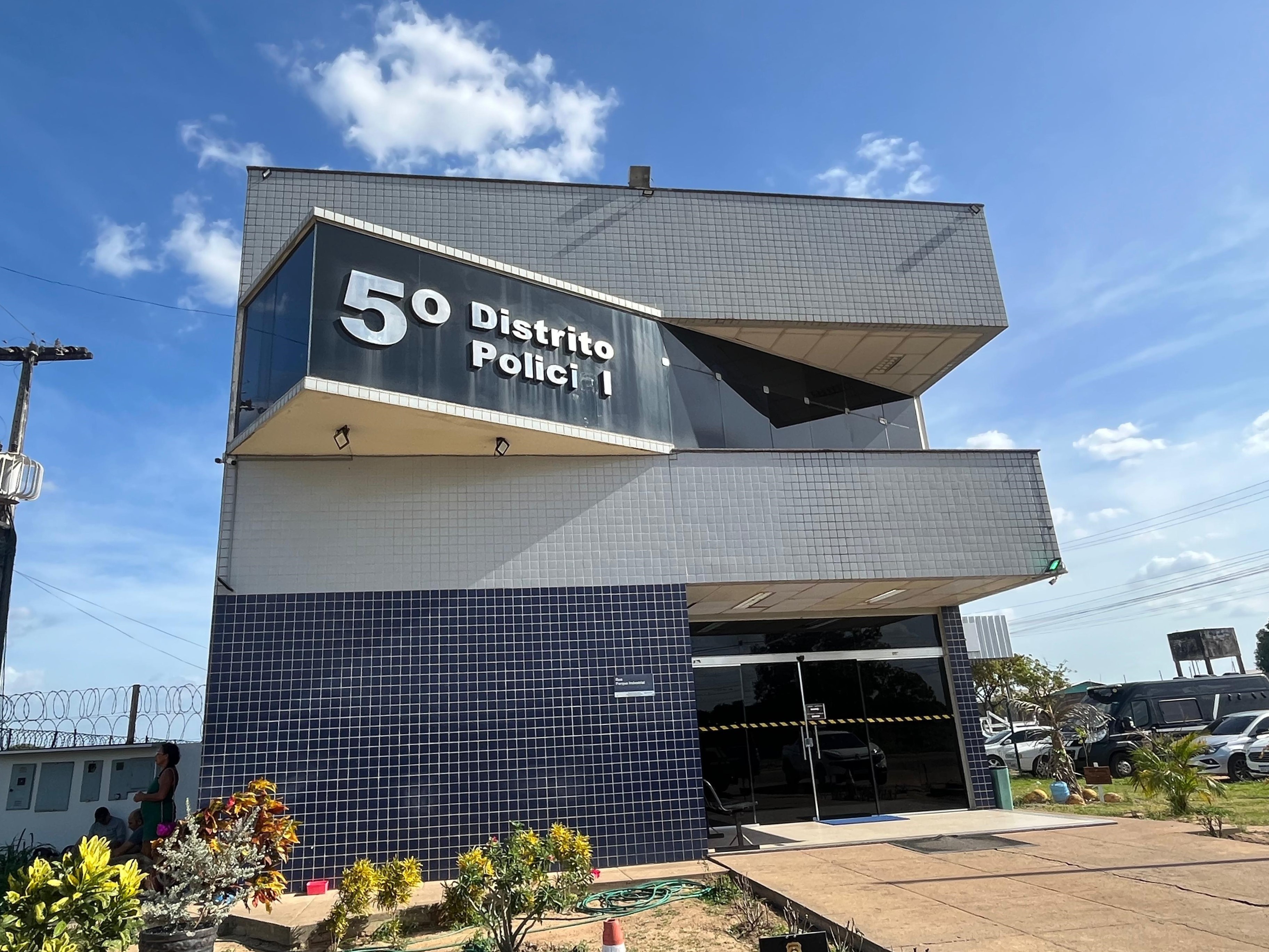
A 43-year-old businessman in Boa Vista has lost R$11,000 (approximately $2,200 USD) after falling victim to an intermediary scam while attempting to purchase construction rebar. The incident occurred on Friday, November 25th. The businessman believed he was buying materials from a legitimate construction supply store, having made the payment to an individual posing as a seller. However, the fraud was uncovered during the delivery process when the supplier's driver requested payment, and the businessman stated it had already been transferred. The supplier confirmed they had not received the funds, revealing the deception. The individual who negotiated the sale was not an employee of the company the businessman believed he was purchasing from, and their phone number was traced to Amazonas. The scam is characterized as the 'fake intermediary' type, where the perpetrator acts as both a buyer for a real company and a seller to the victim. The police were initially called due to a minor dispute between the businessman and the supplier, but upon investigation at the police station, the scam was confirmed. The supplier then repossessed the rebar that had been partially unloaded. The case has been officially registered as fraud, with both the businessman and the supplying company listed as victims.
This incident highlights the persistent vulnerability of businesses to sophisticated intermediary scams, particularly in transactions involving physical goods. The scammer exploited a gap in communication and verification between the buyer, the apparent seller, and the actual supplier. The financial loss underscores the need for robust internal verification protocols within businesses, especially when dealing with new suppliers or significant transactions. Future-proofing against such schemes requires integrating digital verification steps, such as real-time payment confirmations directly with the supplier's official channels, rather than relying solely on the intermediary's word. The dual victimization, affecting both the buyer and the legitimate seller, points to systemic risks in supply chain trust mechanisms, suggesting that enhanced digital identity and transaction security frameworks are crucial for preventing similar financial crimes in an increasingly digital economy.
AI-generated to prompt reflection — not editorial opinion, not advice, not a statement of fact. How this works.