Businessman Mistakenly Killed in Paraná Barber Shop; Drug Trafficker Was Target
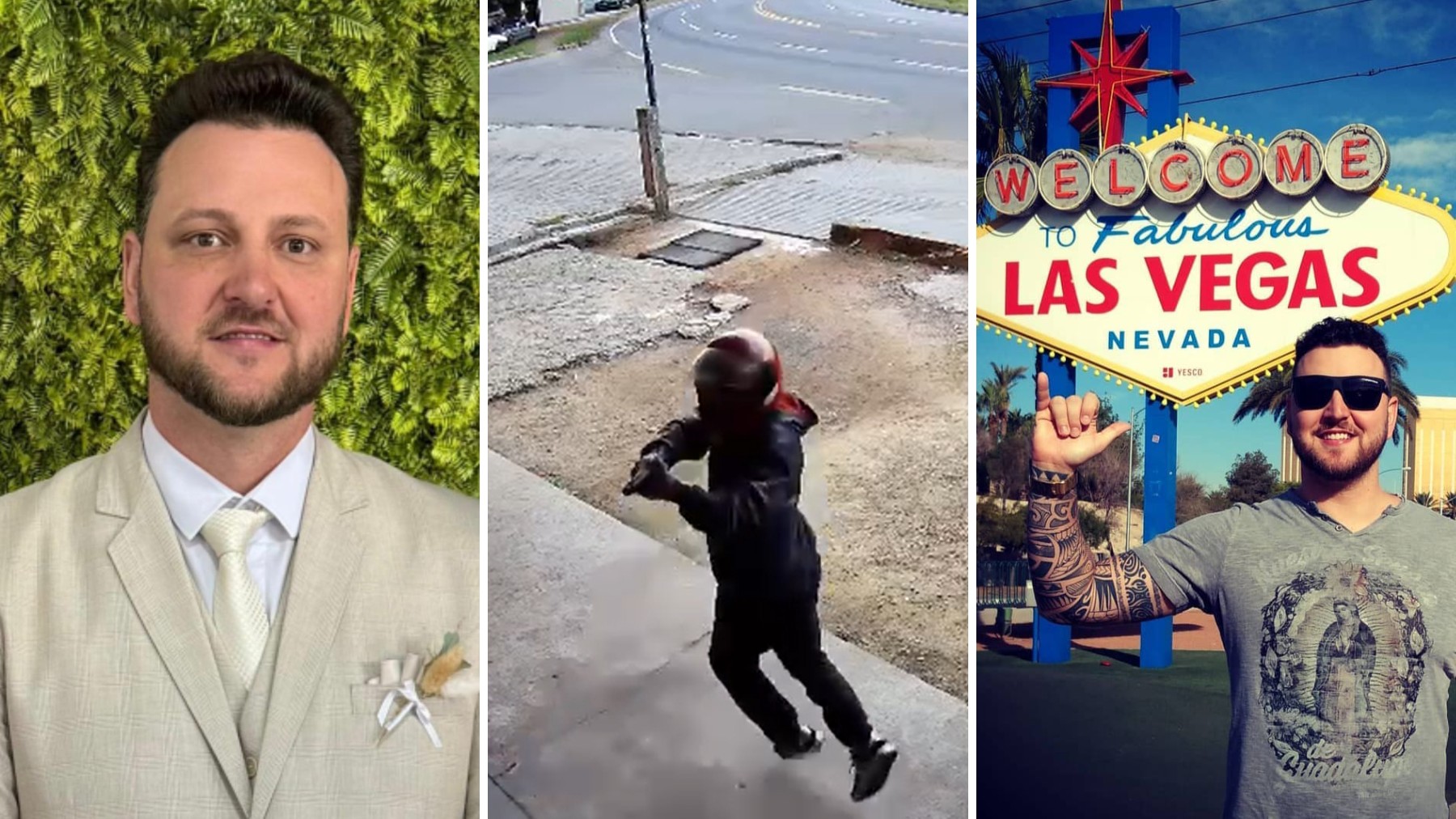
Hugo Gabriel Moll, a 39-year-old businessman involved in civil construction, was tragically killed in a case of mistaken identity at a barber shop in Ponta Grossa, Paraná. Moll, who had recently celebrated his 39th birthday and married on May 30th after a 20-year relationship, was a father to a 12-year-old son. He had no prior criminal record and harbored a dream of moving to the United States with his family within two years. His mother, Osvaldina Moll, described him as a devoted family man with a passion for car events. On June 19th, Moll stopped at the barber shop for a haircut before traveling to an event with his son, choosing the shop because his usual barber was unavailable. He was fatally shot in the head by an armed assailant who stormed the establishment. The barber, João Victor Pereira, was also shot but survived and is recovering at home. The Civil Police have concluded that Moll was the victim of mistaken identity, with the true target being a man involved in drug trafficking who had left the barber shop just 10 seconds before Moll arrived. The investigation has led to the arrest of five suspects. The alleged organizer of the crime, a 34-year-old with a criminal history for drug trafficking and illegal firearm possession, is among those detained. Other arrested individuals are accused of providing support, supplying weapons, and monitoring the target. The police are continuing their investigation to fully clarify the roles of all involved.
This incident highlights the severe risks associated with organized crime, where mistaken identity can lead to devastating consequences for innocent civilians. The investigation's focus on drug trafficking as the motive for the intended target suggests a persistent challenge in law enforcement's efforts to dismantle illicit networks. The apprehension of five individuals, including an alleged organizer, indicates progress in addressing the immediate perpetrators. However, the broader systemic issues driving such violence, including the demand for illicit substances and the proliferation of firearms, remain critical areas for long-term intervention. Future strategies may need to consider more comprehensive approaches that address root causes and disrupt the economic incentives fueling these criminal enterprises, alongside traditional law enforcement tactics.
AI-generated to prompt reflection — not editorial opinion, not advice, not a statement of fact. How this works.