Businessman Sought for Allegedly Stalking Detective and Monitoring Family After Criminal Probe
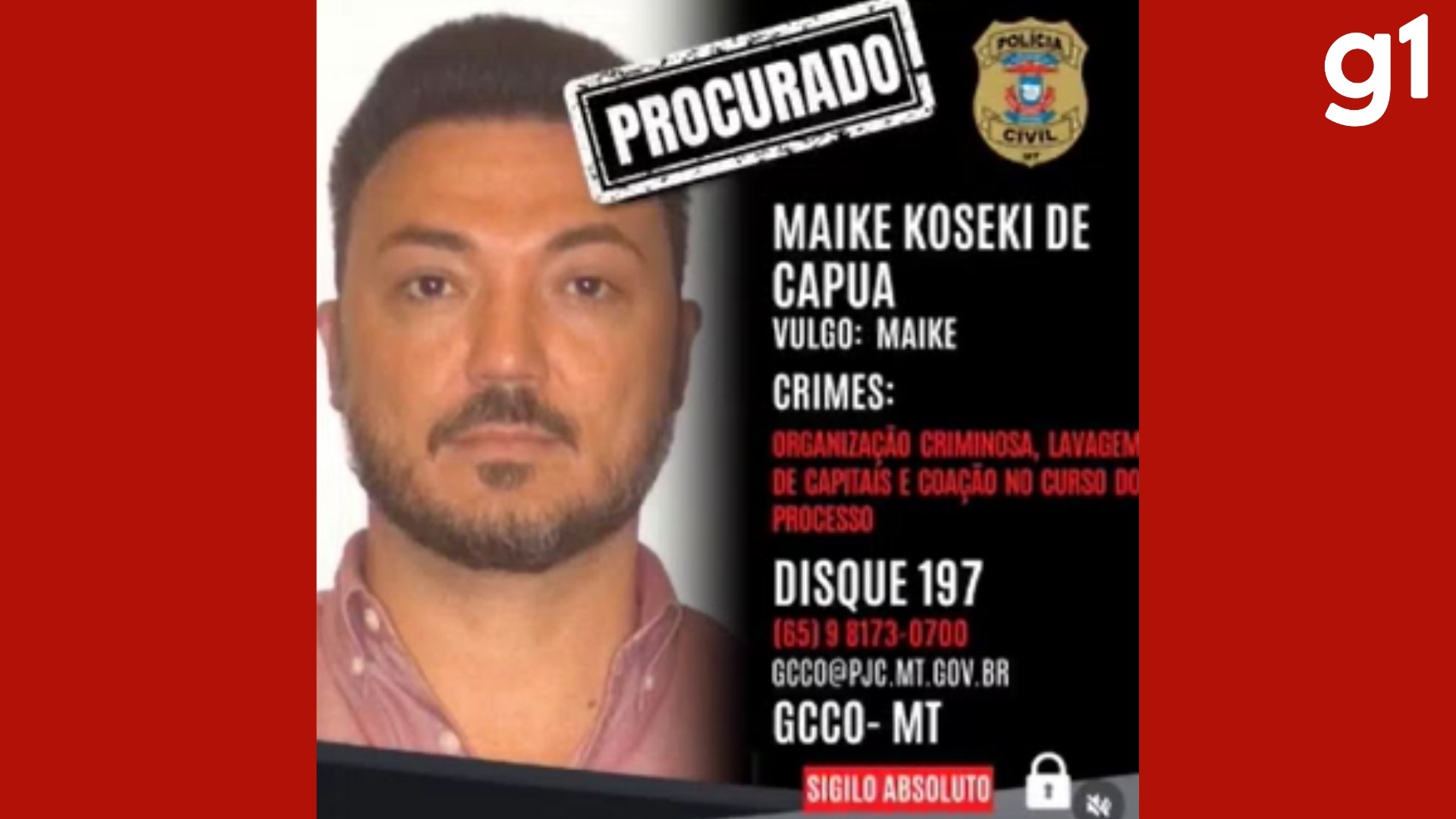
Police in Cuiabá, Brazil, are searching for 41-year-old businessman Maike Koseki de Capua, who is suspected of monitoring the routine of a police detective investigating him for alleged involvement in organized crime. A warrant for Capua's arrest was issued by the court, and he is now considered a fugitive after police failed to locate him during an operation on Tuesday, May 14th. He is also accused of stalking the detective's wife and son. Capua faces charges including criminal organization, money laundering, and coercion during legal proceedings. He is already a defendant in a separate case for alleged participation in a criminal faction, following an indictment by the Specialized Narcotic Repression Division (Denarc). According to investigators, after being indicted, Capua allegedly began gathering personal information about the lead detective and his family, including their social media activity, mutual acquaintances, and daily routines. The Organized Crime Combat Division (GCCO) and the Specialized Organized Crime Repression Division (Draco) executed the arrest warrant and two search warrants, but Capua evaded capture. Capua's defense team expressed surprise at the pre-trial detention order, asserting that their client has never obstructed justice and has always been available to authorities. They stated he intends to cooperate fully to prove his innocence and will present his version of events through legal channels. The police continue their search for the fugitive businessman.
This case highlights the significant risks faced by law enforcement officials investigating organized crime, particularly when individuals allegedly resort to intimidation tactics against investigators and their families. The alleged actions by the businessman, if proven, suggest a pattern of behavior aimed at disrupting the judicial process through coercion and surveillance, rather than directly challenging evidence or legal arguments. Such tactics can create a chilling effect on investigations, potentially deterring future cooperation with authorities and impacting the perceived impartiality of the justice system. Moving forward, the legal system will need to balance the need for robust prosecution with the protection of individuals involved in the process, while also considering the potential for advanced surveillance technologies to be misused for illicit purposes.
AI-generated to prompt reflection — not editorial opinion, not advice, not a statement of fact. How this works.