Butcher Arrested for Dismembering Woman in São José do Rio Preto, Brazil
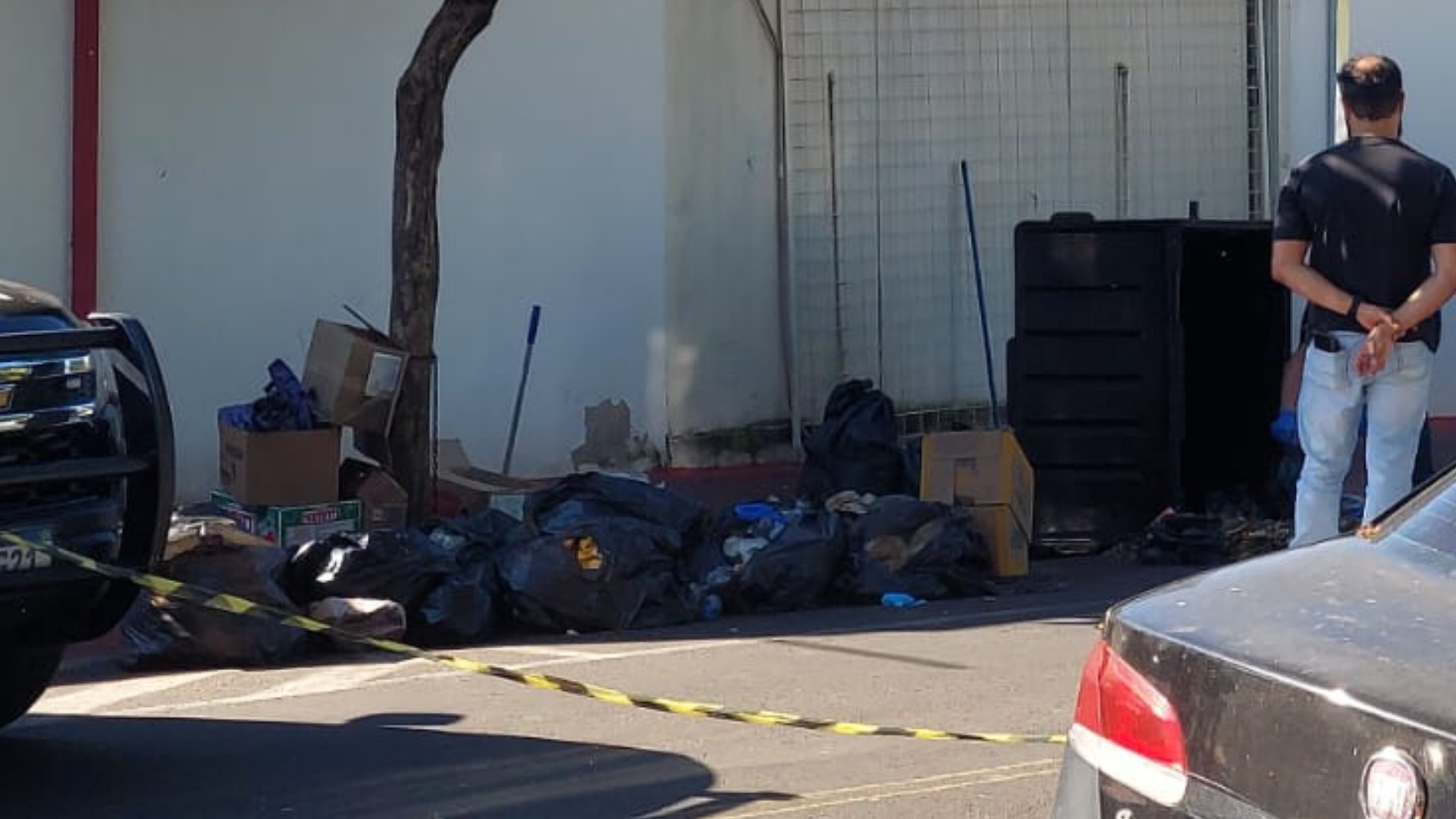
Police in São José do Rio Preto, Brazil, have found the dismembered arms and hands of a woman whose body was discovered in July. The suspect, 29-year-old butcher Marciel Dias dos Santos, was arrested on August 1st. Security footage captured him carrying plastic bags containing body parts before discarding them in trash bins. Following his arrest, Santos confessed to the crime, claiming a dispute and physical altercation with the victim led to her death after she hit her head. He then admitted to dismembering her body to dispose of it. The victim's identity remains unconfirmed, but the recovered limbs are being sent for forensic analysis to aid identification. Santos has a prior criminal record for domestic violence against his ex-wife, involving physical assault and biting, for which a restraining order was issued. He also faced charges for violating this order by failing to attend mandatory psychosocial support and legal summons. The investigation revealed significant blood evidence in Santos's home, suggesting an attempt to conceal the crime by cleaning and repainting walls. He reportedly met the victim shortly before the incident and invited her to his home for a meeting. The autopsy indicated the victim suffered multiple stab wounds in addition to being dismembered. The case is being investigated as homicide and concealment of a corpse.
This case highlights critical societal issues surrounding domestic violence and the systemic failures in preventing escalation. The suspect's history of aggression, including a prior conviction for assaulting his ex-wife and subsequent charges for violating protective orders, suggests a pattern of behavior that was not effectively interrupted by existing legal and social support mechanisms. The alleged sequence of events, from a dispute to dismemberment, points to a severe breakdown in conflict resolution and impulse control. Future interventions could focus on more robust monitoring and mandatory participation in rehabilitation programs for individuals with documented histories of violence, particularly when protective orders are involved. Examining the effectiveness of judicial oversight and the accessibility of mental health resources for perpetrators could offer insights into preventing such extreme outcomes.
AI-generated to prompt reflection — not editorial opinion, not advice, not a statement of fact. How this works.
