Butter vs. Margarine: A Food Scientist Explains Key Differences
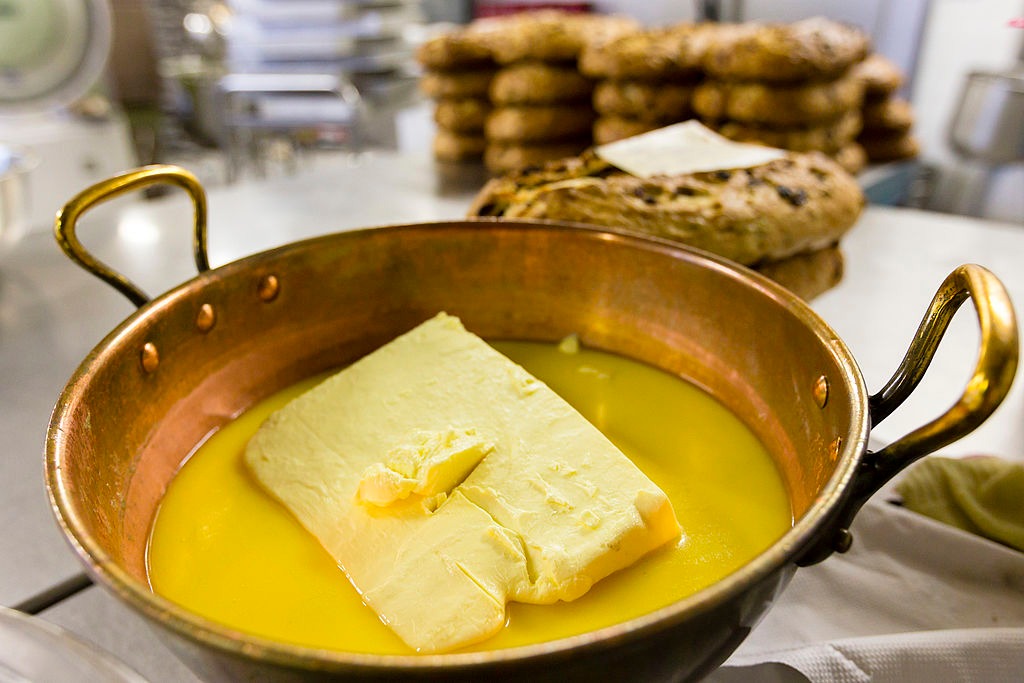
A food scientist has detailed the fundamental chemical distinctions between butter and margarine, explaining how these variations influence their performance in cooking and their overall flavor. Butter, a dairy product, is primarily composed of milk fat, which consists of triglycerides. Margarine, on the other hand, is typically made from vegetable oils, which are unsaturated fats. The processing of margarine often involves hydrogenation, a method used to solidify liquid oils and create a texture similar to butter. This process can alter the fatty acid profile, sometimes leading to the formation of trans fats, although modern manufacturing has reduced this concern. The water content also differs; butter generally contains around 16-18% water, while margarine can have a higher percentage, affecting its behavior when heated. These differences in fat composition, saturation, and water content directly impact how each spreads, melts, and browns, ultimately affecting the texture and taste of baked goods. For instance, the higher saturated fat content in butter contributes to flakier pastries, while margarine's properties can yield different results. The flavor profiles are also distinct, with butter offering a rich, creamy taste derived from its dairy origin, and margarine's flavor being more neutral or influenced by added flavorings and emulsifiers.
The nuanced differences between butter and margarine, rooted in their distinct fat compositions and manufacturing processes, highlight broader themes in food science and consumer choice. The historical evolution of margarine, from its initial development as a butter substitute to contemporary formulations, reflects ongoing innovation driven by cost, health perceptions, and technological advancements in oil processing. Understanding these scientific distinctions empowers consumers to make informed decisions based on culinary goals and nutritional considerations, moving beyond simplistic labels. As food technology continues to advance, the lines between traditional ingredients may further blur, presenting both opportunities for novel products and challenges in maintaining transparency and consumer trust regarding ingredient origins and health impacts.
AI-generated to prompt reflection — not editorial opinion, not advice, not a statement of fact. How this works.