Buy Now, Pay Later: How Installment Payments Entice Young Consumers
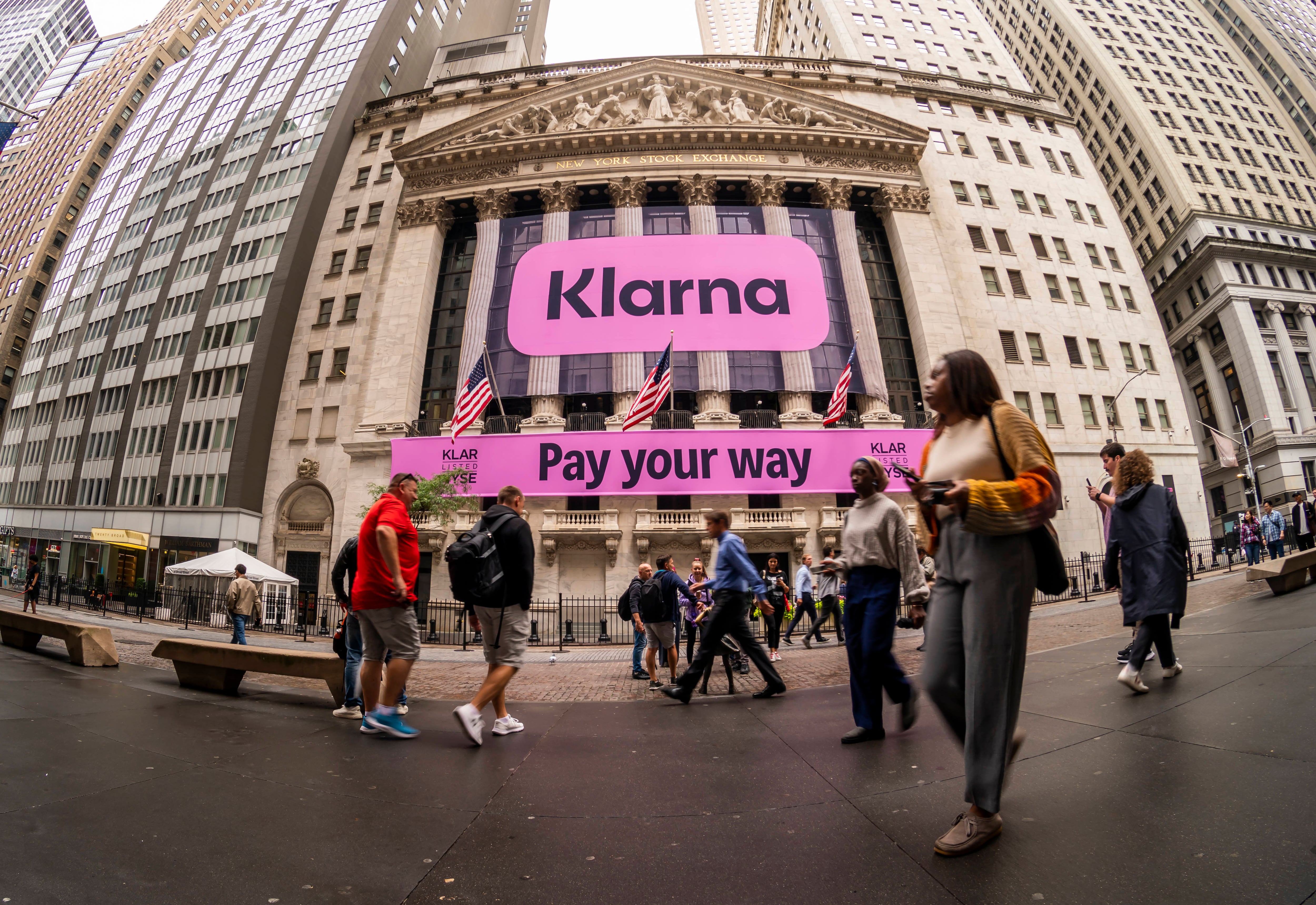
Platforms such as Klarna, Aplázame, and SeQura are experiencing significant growth by offering "buy now, pay later" services, a model that finances a wide range of purchases from mobile phones to airline tickets. These companies are effectively targeting younger demographics, encouraging them to make purchases as if there were no tomorrow. The core of their business model lies in providing accessible installment payment options, making larger ticket items seem more affordable and immediate. This strategy appears to be highly successful in attracting and retaining young customers who may be more inclined to use credit for immediate gratification. The expansion of these platforms highlights a shift in consumer behavior and financing preferences, particularly among younger generations.
The proliferation of 'buy now, pay later' services, exemplified by platforms like Klarna, Aplázame, and SeQura, reflects a potent combination of consumer demand for immediate access to goods and evolving digital financing capabilities. This model capitalizes on behavioral economics, leveraging the psychological ease of smaller, deferred payments to overcome purchase inertia. From a systemic perspective, these services introduce new forms of consumer credit, potentially increasing household debt levels and financial fragility, especially if not accompanied by robust financial literacy programs. The long-term implications involve a potential redefinition of consumerism, where instant gratification is further normalized, and the traditional metrics of financial health may need re-evaluation in the context of pervasive, low-barrier credit.
AI-generated to prompt reflection — not editorial opinion, not advice, not a statement of fact. How this works.