BYD's July Vehicle Sales Jump 22%, But Annual Targets Remain Challenging
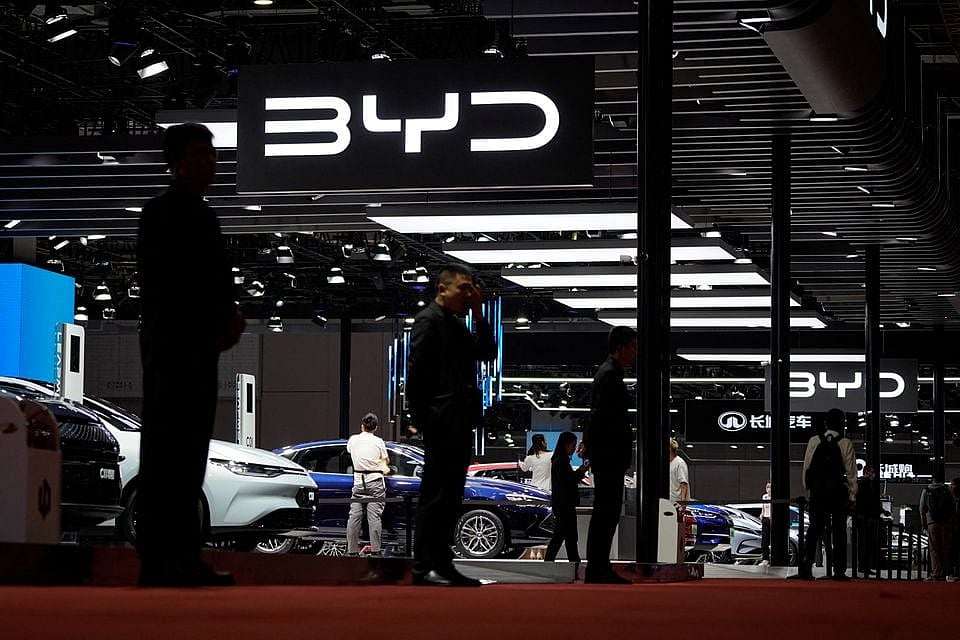
Chinese electric vehicle manufacturer BYD reported a 22% year-over-year increase in sales for July, selling approximately 420,000 vehicles. This marks the third consecutive month of sales growth. However, the company faces a significant challenge in meeting its annual sales targets, as current figures lag behind projections. BYD's global sales for the first half of 2024 reached 1.8 million vehicles. To achieve its 2026 goal of selling 5 to 5.5 million vehicles annually, BYD must average around 530,000 sales per month in the latter half of this year.
BYD's CEO, Wang Chuanfu, is navigating production challenges, including temporary factory closures for battery upgrades, which impacted first-half sales. The company is increasingly focusing on exports, with 43% of July sales occurring in international markets across South America, Europe, and other regions. This export drive is a strategic response to a weakening domestic Chinese economy and intense competition. In Bangladesh, where BYD officially launched electric vehicle sales in 2024, demand is growing, with over 350 BYD vehicles now on Dhaka's roads.
Investors are closely monitoring BYD's export trends amid rising global trade barriers and tariffs. The company is expanding its product line with new models, including hybrid and electric versions of the Seal series and compact 'kei' cars for Japan. However, expansion plans for its Hungarian production facility in Szeged face new risks. Allegations of worker abuse by a contractor at the new factory and a government investigation into state subsidies, tax breaks, and environmental exemptions granted to BYD have led to a delay in the plant's opening, now slated for the fourth quarter of 2026, a year later than originally planned.
BYD's sales growth reflects a broader global trend towards electric vehicle adoption, yet its ambitious annual targets highlight the intense competitive pressures and macroeconomic headwinds impacting the automotive sector. The company's strategic pivot towards exports, driven by domestic market saturation and economic slowdown in China, demonstrates a proactive approach to market diversification. However, the increasing scrutiny of trade practices and potential regulatory hurdles in key export markets, exemplified by the issues in Hungary, pose significant risks to its international expansion strategy. Future success will likely depend on BYD's ability to navigate geopolitical complexities, manage supply chain resilience, and maintain product innovation while addressing labor and environmental standards in its global manufacturing footprint.
AI-generated to prompt reflection — not editorial opinion, not advice, not a statement of fact. How this works.