BYD Shark vs. Toyota Hilux: Which Pickup Should You Buy in July 2026?
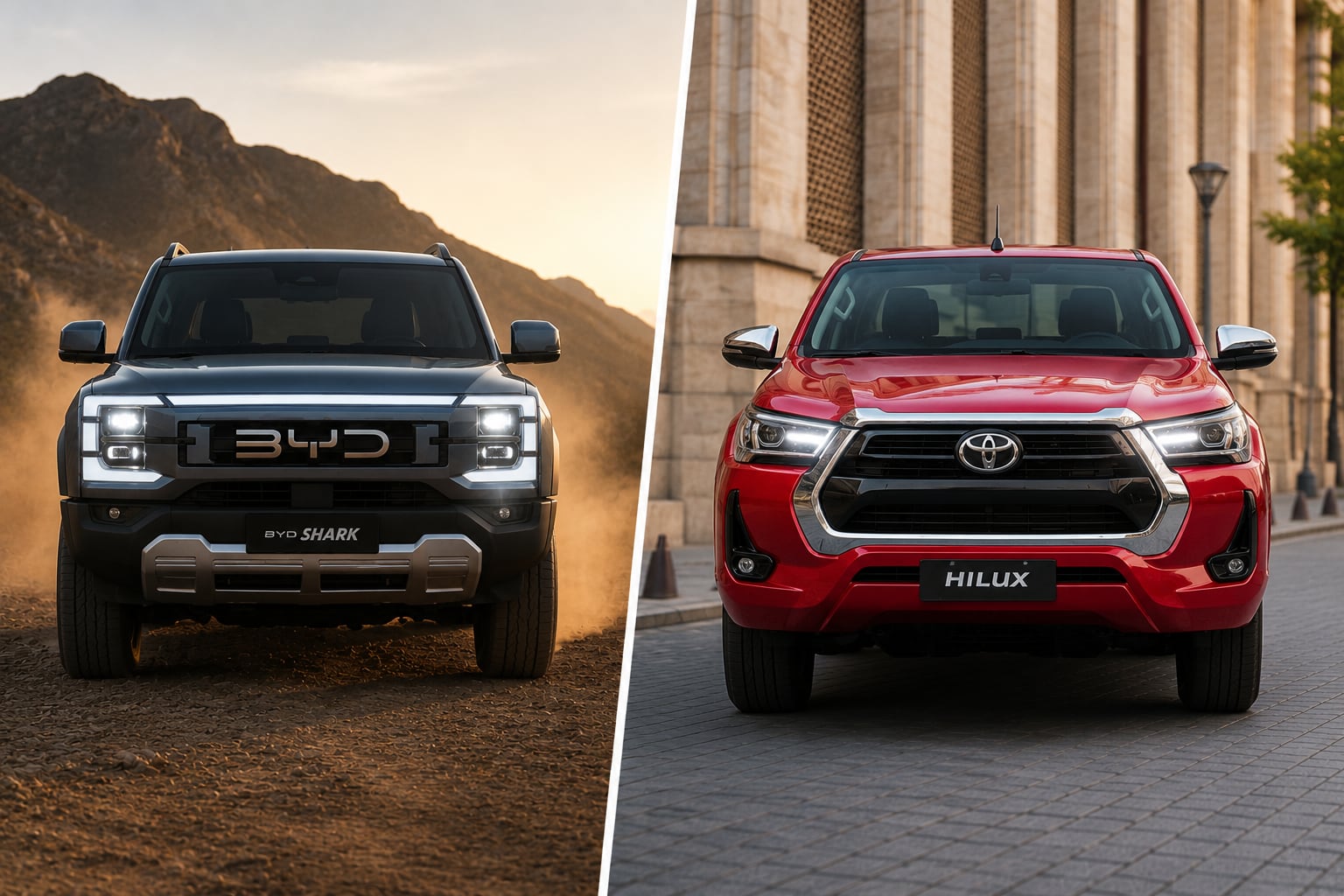
The BYD Shark and Toyota Hilux offer distinct approaches within the pickup truck segment, presenting consumers with different choices for their needs. This comparison aims to highlight the key differences between these two models to aid potential buyers. The Toyota Hilux has a long-standing reputation for durability and off-road capability, making it a popular choice for work and adventure. Its robust construction and proven reliability have cemented its position in the global market over many years. In contrast, the BYD Shark enters the market with a focus on innovative technology and potentially different powertrain options, aiming to attract a new segment of buyers. BYD, a major player in electric vehicles, is likely bringing its expertise in battery technology and electrification to the Shark. This could translate into a more fuel-efficient or even fully electric offering, depending on the specific configurations available by July 2026. Buyers will need to consider factors such as intended use, performance requirements, fuel economy or charging infrastructure, and the overall value proposition offered by each vehicle. The decision between the established reliability of the Hilux and the potentially cutting-edge features of the Shark will depend heavily on individual priorities and market availability.
The emergence of the BYD Shark alongside the established Toyota Hilux highlights a significant shift in the pickup truck market, driven by evolving consumer preferences and technological advancements. While the Hilux represents a legacy of rugged utility and proven performance, the Shark signals a move towards electrification and integrated technology. This competitive dynamic forces traditional manufacturers to innovate while pushing new entrants to demonstrate reliability and market acceptance. Consumers face a trade-off between established dependability and the potential benefits of newer, potentially more sustainable, powertrains and features. The long-term market success will likely depend on how effectively each model addresses evolving demands for performance, efficiency, and digital integration over the next decade.
AI-generated to prompt reflection — not editorial opinion, not advice, not a statement of fact. How this works.