Bystanders Improvise Stretcher for Injured Motorcyclist Near Hospital in Brazil
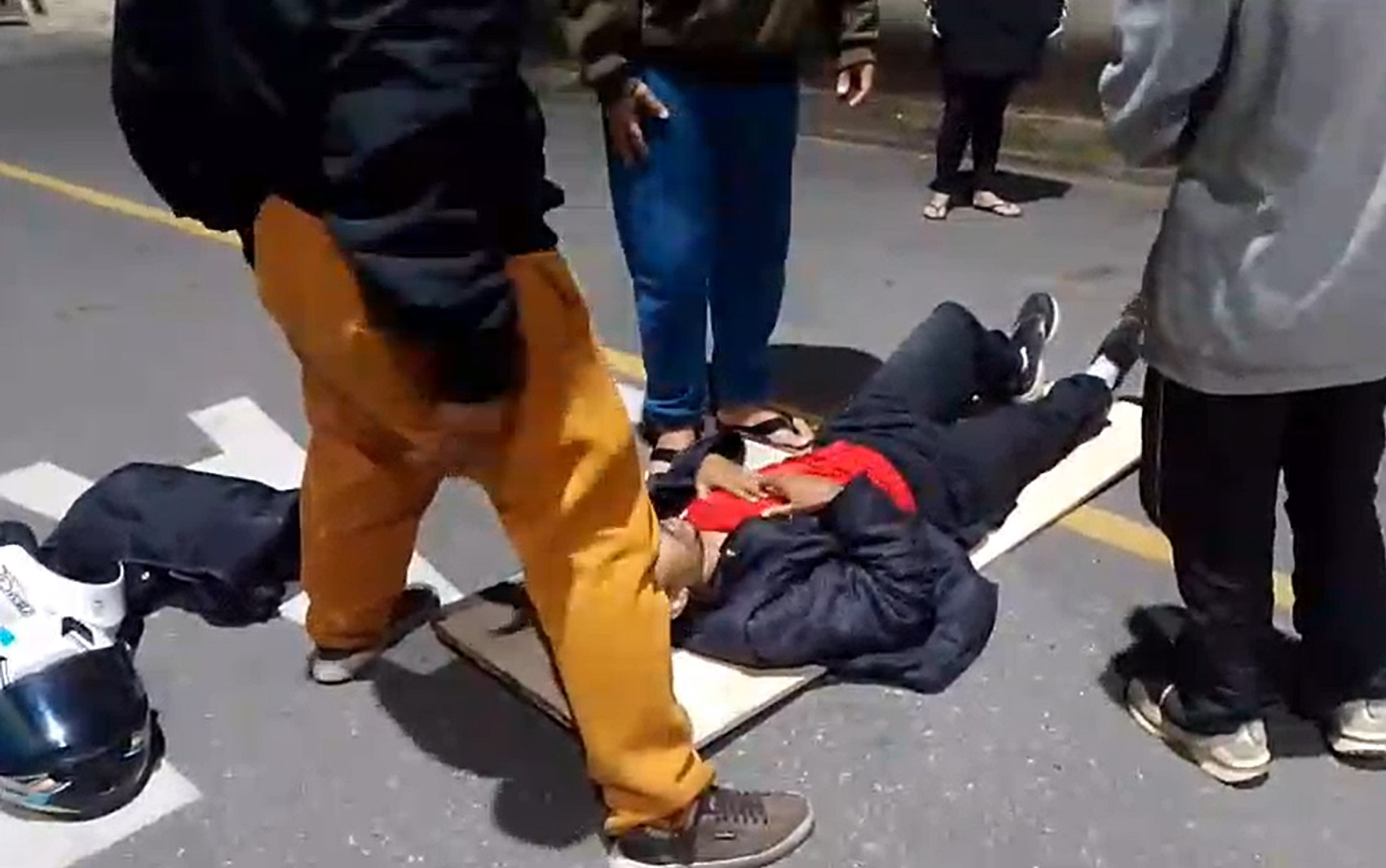
Residents in Pouso Alegre, Minas Gerais, Brazil, resorted to improvising a stretcher to rescue a motorcyclist injured in an accident on Thursday night, May 9th. The incident occurred in the São João neighborhood, remarkably close to a Basic Care Unit (UPA). Video footage circulating online shows the frustration of locals who claim the victim did not receive immediate assistance from the UPA, despite its proximity. Residents reported attempting to contact the Mobile Emergency Care Service (Samu) and the Fire Department, and seeking help at the UPA, but ultimately decided to move the injured man themselves due to a lack of prompt support. The victim's aunt expressed the family's outrage over the situation. The motorcyclist is currently in intensive care, sedated, and under medical observation, accompanied by his mother. Samu stated they were dispatched to the scene around 9 PM but found the victim had already been assisted by bystanders. The Fire Department indicated they were also alerted but had no available ambulances at the time, transferring the response to Samu. The Municipal Health Secretariat clarified that UPAs are not equipped or legally authorized for initial emergency response on public roads, a responsibility falling to Samu and the Fire Department. They explained the UPA's ambulance is for internal hospital transfers, and its staff must remain on-site to serve patients already at the facility, preventing external deployments that could disrupt services. The public is advised to call 192 for Samu in such incidents.
This incident highlights a critical gap in emergency medical response coordination, particularly concerning the division of responsibilities between different public health services. While municipal health secretariats emphasize the distinct roles of UPAs versus emergency services like Samu and the Fire Department, the public's perception is often one of immediate need and a perceived failure of nearby facilities to assist. The system's design, which prioritizes on-site patient care within the UPA over external emergency response, may create a disconnect that leaves citizens feeling unsupported during urgent situations. Future considerations could involve exploring models that allow for more flexible resource allocation or improved communication protocols between facilities and emergency responders to ensure faster, more integrated aid, especially in densely populated areas where response times are paramount.
AI-generated to prompt reflection — not editorial opinion, not advice, not a statement of fact. How this works.