Côte d'Ivoire Uses Drones and Ultralights to Protect Comoé National Park
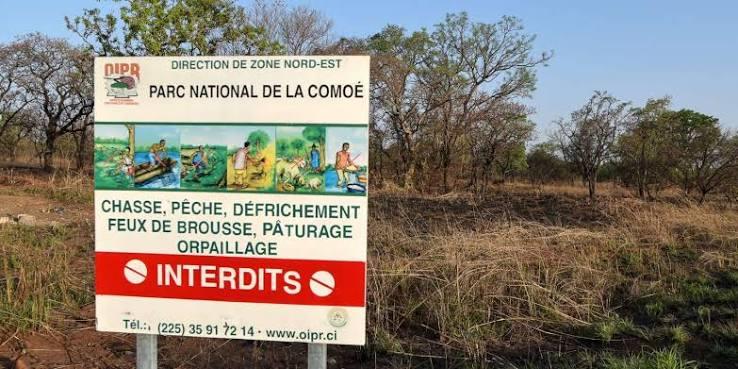
Côte d'Ivoire is employing drones and ultralight aircraft to safeguard the Comoé National Park, the country's largest protected area. Spanning 1.15 million hectares, the park is located in the northeastern region of the nation. This technological approach aims to enhance conservation efforts within this vast natural reserve. The use of drones and ULM (ultra-light motorized) aircraft allows for more efficient monitoring and surveillance of the park's extensive territory. These tools can help detect illegal activities such as poaching and deforestation more effectively than traditional methods. The initiative underscores a commitment to preserving biodiversity and natural resources in Côte d'Ivoire. Comoé National Park is a significant ecological site, and its protection is crucial for the region's environmental health. The integration of modern technology into park management signifies a forward-thinking strategy for conservation in the country.
The deployment of advanced aerial surveillance technologies like drones and ultralight aircraft in Comoé National Park represents a strategic shift towards data-driven conservation. This approach leverages technological capabilities to overcome the logistical challenges inherent in monitoring vast protected areas, potentially improving the detection of illicit activities and resource management. By enhancing surveillance, park authorities can aim for more proactive interventions against threats such as poaching and habitat destruction. The long-term efficacy will depend on the integration of this data into actionable conservation policies and the capacity for sustained operational deployment, considering potential environmental impacts and the need for skilled personnel. This initiative highlights a global trend of utilizing technology to address complex environmental challenges, underscoring the evolving landscape of conservation management in the face of increasing pressures on natural resources.
AI-generated to prompt reflection — not editorial opinion, not advice, not a statement of fact. How this works.