Caçapava Residents Accustomed to Chocolate Aroma from Nestlé Factory
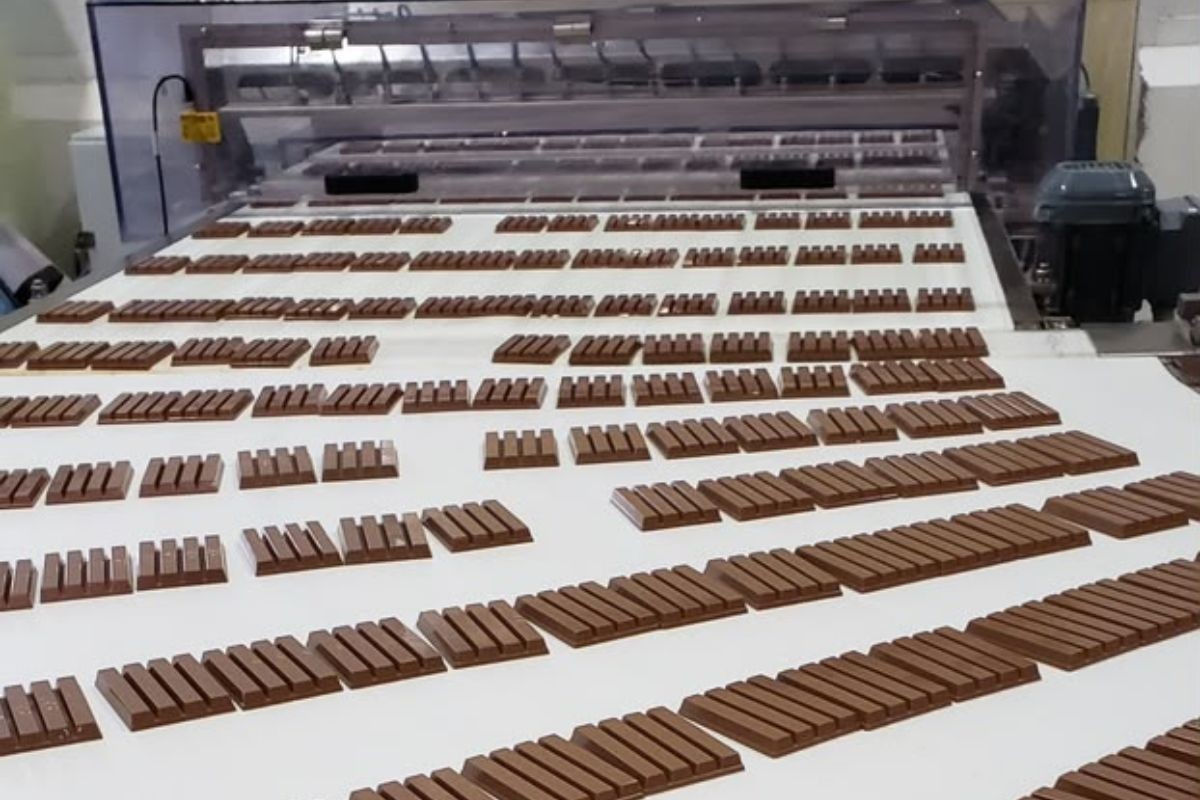
The city of Caçapava, São Paulo, Brazil, is known for the distinct aroma of chocolate that frequently permeates the air, emanating from a Nestlé factory situated near the Dutra highway. This scent has been a characteristic of the city for decades, often sparking curiosity among visitors. Roberto Prado, a 55-year resident and former factory employee, shared that the smell was so strong when he lived closer to the plant that it felt like it was inside his home, increasing his desire for chocolate. The factory's influence extends beyond its aroma, as it has historically been a major employer, with many local families having or having had relatives working there. Factory director Caio Martins explained that the chocolate scent is released during specific production stages, particularly refining and conching. Depending on the products being manufactured, other aromas like strawberry or coffee can also become noticeable. The factory also attracts approximately 30,000 visitors annually, offering guided tours of its facilities and a public shop. Prado believes the factory has significantly contributed to Caçapava's recognition, making it more known through the attraction of visitors eager to experience the chocolate production. The Caçapava unit is one of Nestlé's largest, producing over 100 product types for both domestic and international markets.
The pervasive chocolate aroma from the Nestlé factory in Caçapava highlights a unique symbiosis between industrial production and community identity. This scent serves as a constant, albeit olfactory, advertisement, potentially influencing local perceptions and fostering a sense of pride or familiarity with the manufacturing giant. While the aroma is a byproduct of production, its consistent presence raises questions about the long-term environmental and sensory impact on residents, even if currently perceived positively. From a corporate perspective, this localized sensory experience could be leveraged to build brand loyalty and community relations, though it also underscores the significant footprint such large-scale operations have on their immediate surroundings. Future considerations might involve optimizing production processes to minimize unintended sensory emissions, balancing economic benefits with potential environmental and public health considerations for the surrounding community.
AI-generated to prompt reflection — not editorial opinion, not advice, not a statement of fact. How this works.