Cable Theft Leaves Rio School Without Power, Delaying Start of Term
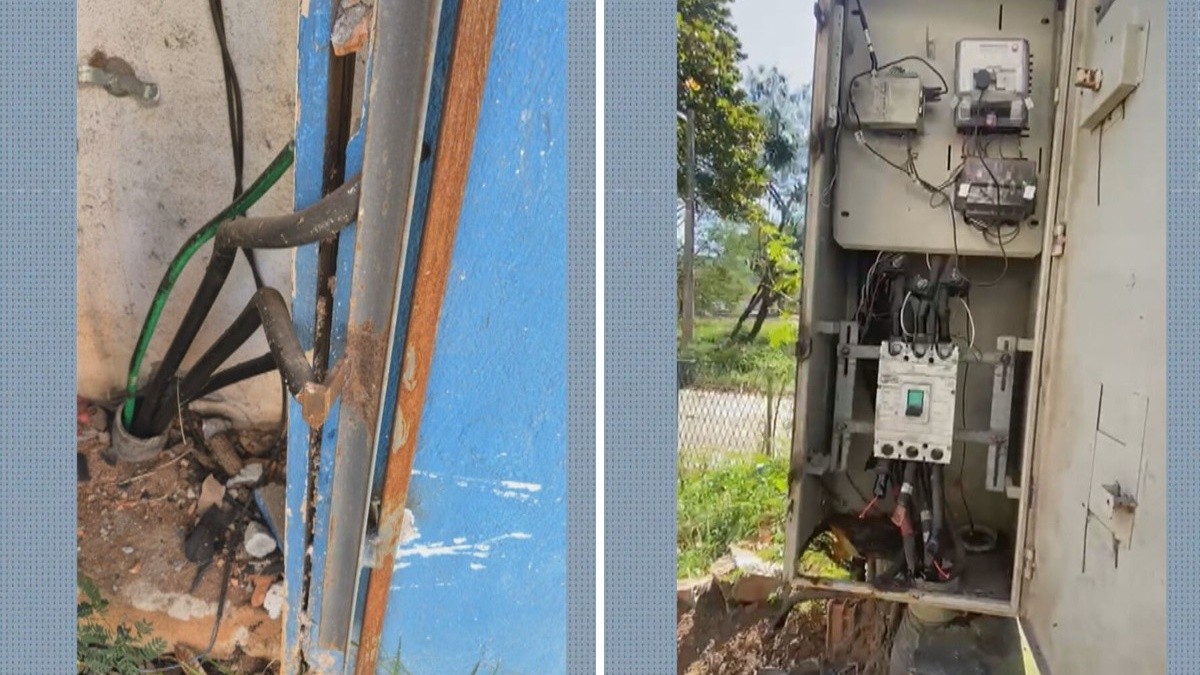
Students at CIEP 305 Heitor dos Prazeres in Pedra de Guaratiba, Rio de Janeiro, have been unable to return to classes for the second semester due to a power outage. The school lost electricity after cables were stolen during the school's vacation period. Nine days after families were notified, the issue remains unresolved, preventing classes from resuming as scheduled on Monday, August 27th. This marks the second time this year the school has experienced power interruptions. The school announced the outage on social media, citing the cable theft. Evidence at the scene includes cut wires, an exposed electrical panel, and damaged gates. This is not the first time the institution has faced energy problems; at the beginning of the school year, classes were shortened for two months due to similar issues, with students sometimes sent home early because classrooms lacked adequate conditions, including functioning air conditioning. Parents also report structural problems with the building and a shortage of teachers for subjects like Portuguese and History, which they believe hinders students preparing for exams like the ENEM. The ongoing disruption has led to fears of a lost academic year, with no clear timeline for repairs. The State Secretariat of Education stated that a team will be dispatched to address internal issues and investigate the cable theft.
The repeated cable thefts and resulting power outages at CIEP 305 Heitor dos Prazeres highlight systemic vulnerabilities in public infrastructure protection and educational continuity. The recurring nature of these disruptions, impacting student learning and preparation for critical exams, suggests a need for more robust security measures and rapid response protocols for public facilities. The situation underscores a broader challenge in urban areas where essential services are susceptible to criminal activity, potentially exacerbating educational inequalities. Future planning should consider resilient infrastructure designs and community-based security initiatives to mitigate such risks and ensure consistent access to education.
AI-generated to prompt reflection — not editorial opinion, not advice, not a statement of fact. How this works.