Cabo de Santo Agostinho Ranks 8th Most Violent City in Brazil for 2025
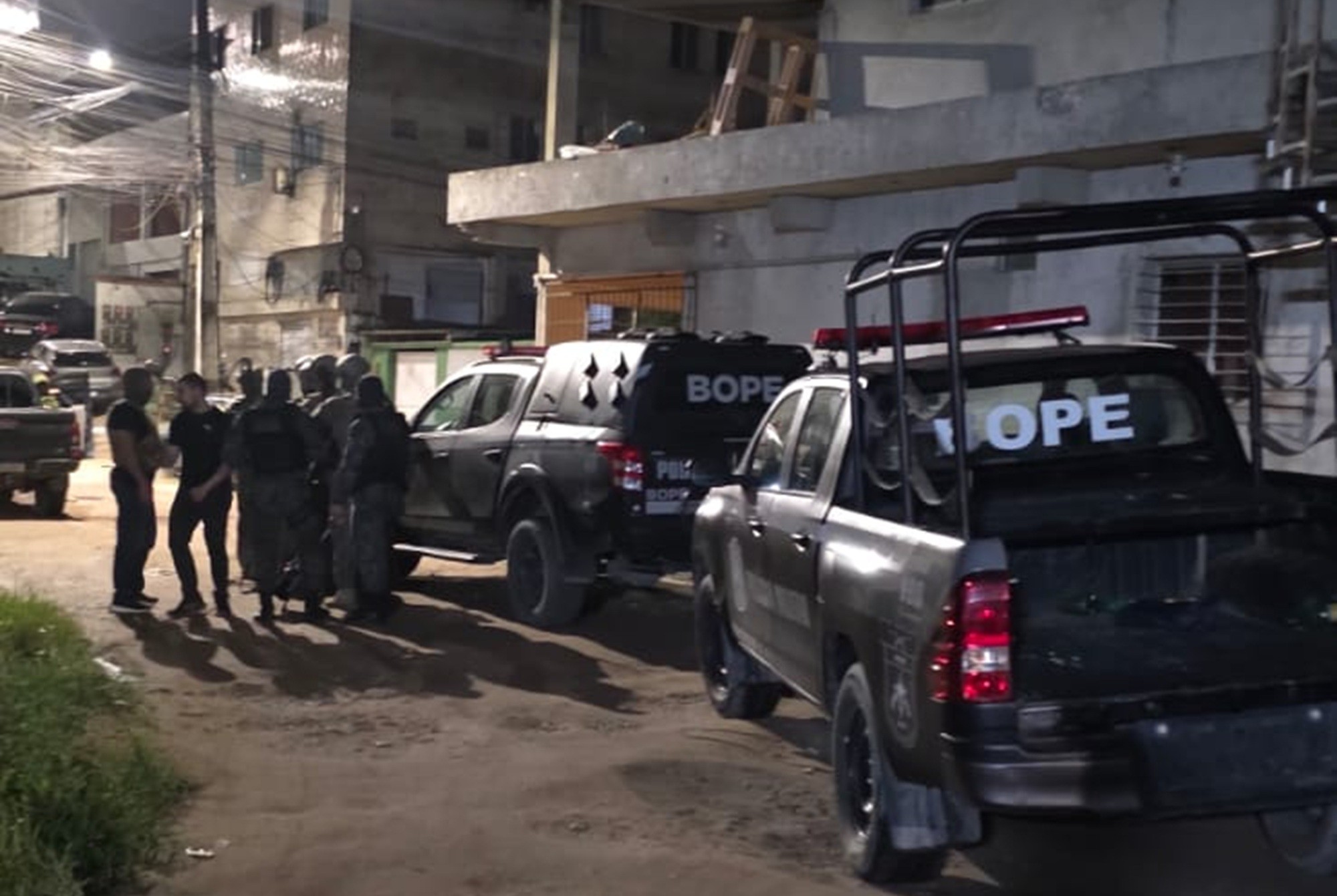
Cabo de Santo Agostinho, a city in the Greater Recife metropolitan area, has been identified as the 8th most violent city in Brazil for 2025, according to the 20th Brazilian Public Security Yearbook. The municipality recorded a homicide rate of 65.1 per 100,000 inhabitants. This marks a decrease from the previous year, when it ranked 5th with a rate of 73.3 homicides per 100,000 people. The report attributes the high homicide rate in Cabo de Santo Agostinho partly to its proximity to the Suape Port Complex, a known route for international drug trafficking. Despite this ranking, the state of Pernambuco saw a 9.3% decrease in its overall homicide rate between 2024 and 2025, falling from 36.4 to 33 per 100,000 inhabitants. However, Pernambuco remains the 5th most violent state in Brazil, dropping from 4th place in the previous year. The state experienced a reduction in three of the four categories of Intentional Violent Deaths (MVI), but saw a significant 32.05% increase in deaths resulting from police interventions, rising from 78 to 103 cases. Additionally, Pernambuco recorded a rise in feminicides and crimes motivated by homophobia or transphobia. In 2025, there were 88 feminicides, an increase of 12.8% from 78 in 2024, and a rise in related crimes against the LGBTQIA+ population, including increases in racism motivated by homophobia/transphobia, intentional bodily harm, intentional homicide, and rape. The yearbook, produced by the Brazilian Public Security Forum, analyzes data from 26 states and 338 municipalities with over 100,000 inhabitants.
The data highlights a complex security landscape in Brazil, with specific municipalities like Cabo de Santo Agostinho facing persistent challenges despite broader state-level reductions in certain violent crime metrics. The report's focus on the Suape Port Complex suggests that strategic infrastructure points can become nexus points for organized crime, influencing local violence rates. The increase in deaths during police interventions, coupled with rising rates of feminicide and anti-LGBTQIA+ violence, indicates systemic issues that require multifaceted solutions beyond general crime reduction strategies. These trends may reflect underlying social inequalities, evolving criminal tactics, and challenges in effective policing and judicial responses. Examining the interplay between drug trafficking routes, port security, and domestic violence trends will be crucial for developing more targeted and effective public safety policies over the next decade.
AI-generated to prompt reflection — not editorial opinion, not advice, not a statement of fact. How this works.