Cabo Frio Fines Prolagos Over $200,000 for Flood Damage Caused by Service Failures
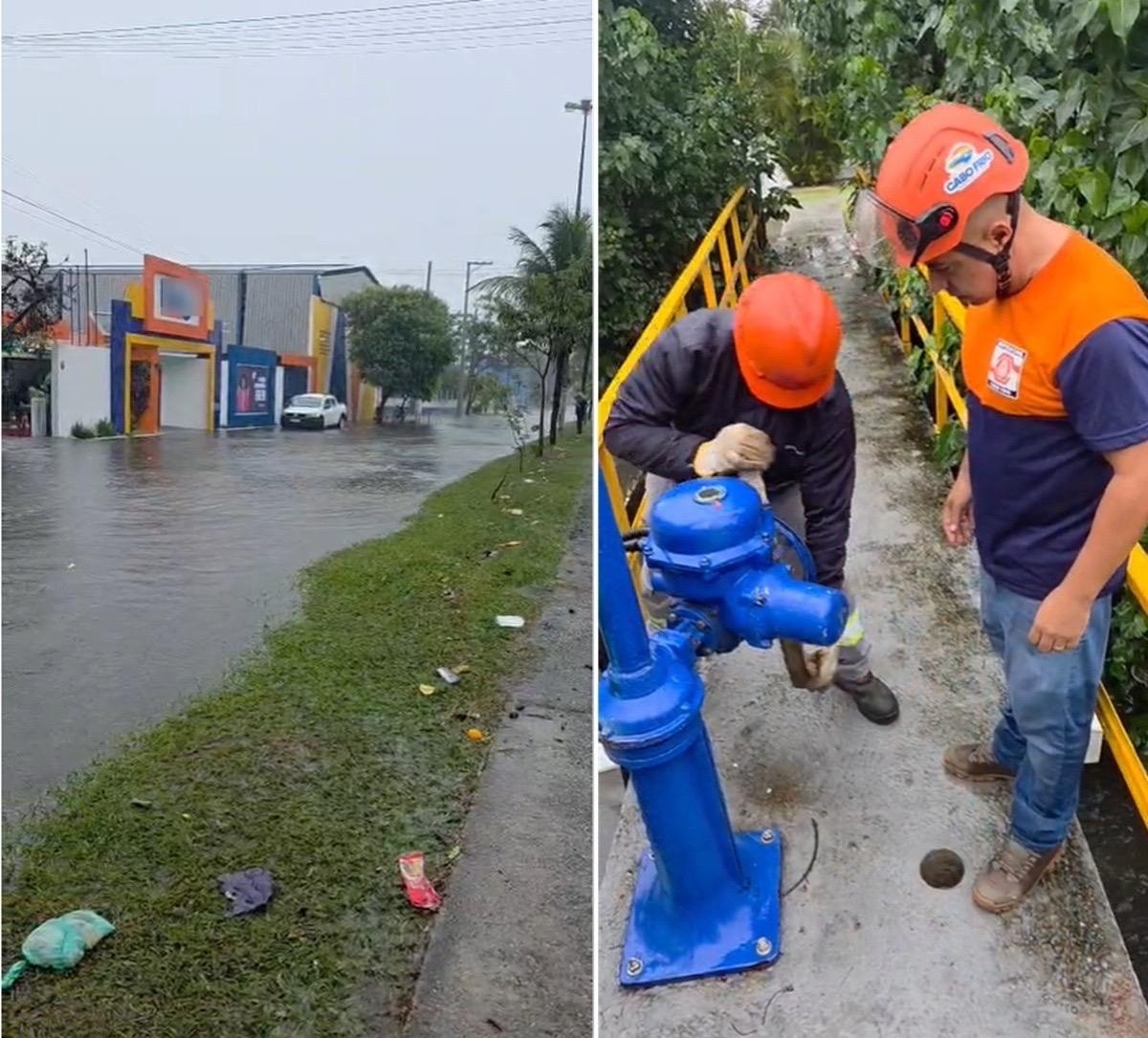
The municipality of Cabo Frio, located in the Lagos Region of Rio de Janeiro, Brazil, has fined the concessionaire Prolagos R$1.032 million (approximately $200,000 USD) due to service failures during heavy rains on June 26th. The fine, announced by the Municipal Procon on July 2nd, stems from a malfunction in Prolagos' automatic gate system. This failure prevented the gates from opening automatically, leading to moderate flooding in the Jardim Excelsior neighborhood and adjacent areas like Palmeiras and Jardim Caiçara. Civil Defense teams had to manually open the gates to facilitate water drainage. Prolagos was cited for "diffuse damage" affecting consumer safety and health, and for a "grave failure" in public service provision, as per municipal and federal laws. Technical reports from Civil Defense and the Superintendency General of Private Works Inspection supported the administrative process. The Procon's general coordinator stated the investigation was ordered by Mayor Dr. Serginho, citing Prolagos' poor service that impacted the community. Additionally, Prolagos received two other fines totaling R$288,000 from the Superintendency General of Inspection for damage to public property and accessibility issues related to the gate system failure. Prolagos stated that its teams, along with Civil Defense, manually opened the Excelsior gate during the rains. The company is currently testing a new automated system for the gate and intends to appeal any fines within legal deadlines.
This incident highlights the critical intersection of infrastructure maintenance, public service delivery, and climate resilience. The fine levied against Prolagos underscores the accountability of utility providers for failures that directly impact public safety and well-being, particularly during adverse weather events. The municipality's action, supported by technical assessments, demonstrates a procedural response to a service lapse. From a systems perspective, the reliance on manual intervention during a critical failure points to potential vulnerabilities in automated systems and emergency preparedness protocols. Looking ahead, the integration of climate projections into infrastructure design and operational readiness will be paramount. Ensuring that automated systems are robust, redundant, and rigorously tested against a spectrum of potential scenarios, including extreme weather, is essential for mitigating future risks and maintaining public trust in essential services.
AI-generated to prompt reflection — not editorial opinion, not advice, not a statement of fact. How this works.