Cabo Frio Sewage Treatment Plant Modernization Enters Hydraulic Installation Phase
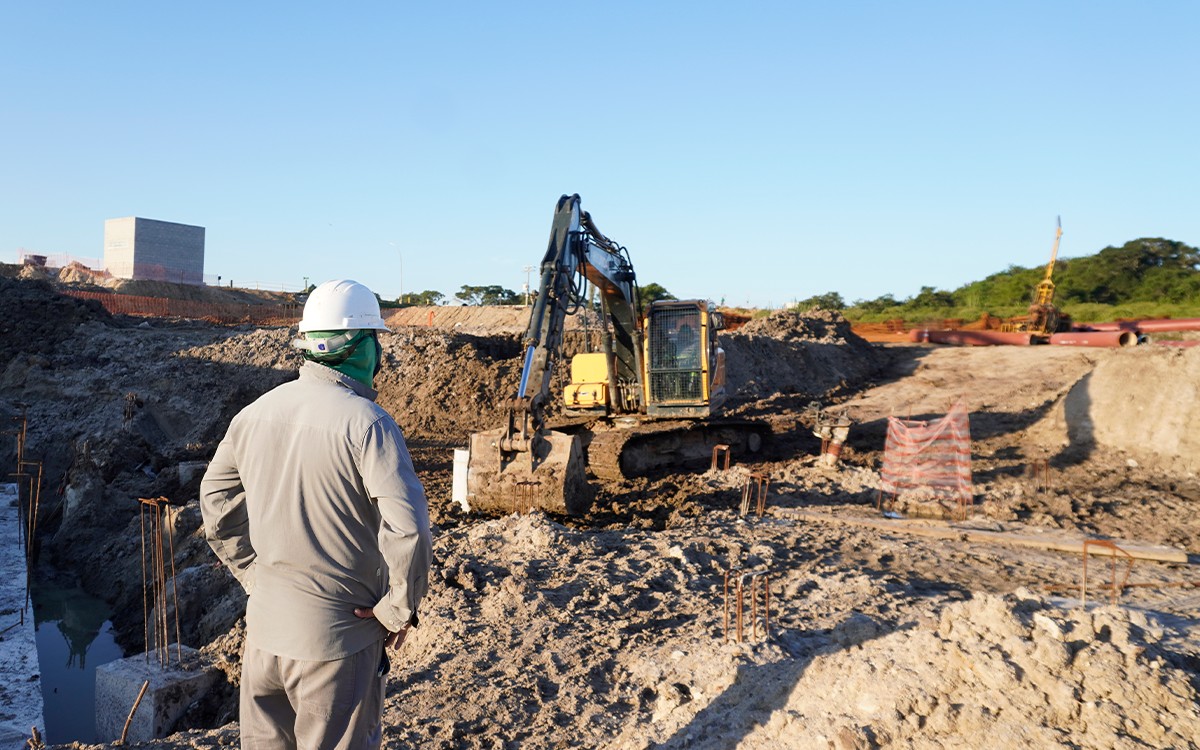
Construction at the Jardim Esperança Sewage Treatment Plant (ETE) in Cabo Frio, Brazil, has progressed to the hydraulic installation phase. This significant modernization project, with an investment exceeding R$56 million, aims to upgrade the plant's treatment capabilities to a tertiary level. The upgrades are designed to reduce environmental impact and enhance operational efficiency, increasing the plant's treatment capacity to 160 liters per second. Key components of the ongoing work include the construction of two new decanters and a preliminary treatment system to remove sand, grease, and solid waste. A sludge treatment station is also being implemented to support the tertiary-level treatment. The project utilizes activated sludge technology, employing aerobic microorganisms to break down organic matter, effectively transforming existing aeration lagoons into biological reactors. This advanced, low-maintenance technology is expected to significantly improve sewage treatment effectiveness. The ETE Jardim Esperança serves the Peró, Cajueiro, Jacaré, Porto do Carro neighborhoods, and the broader Jardim Esperança area. The entire modernization project is slated for completion by July 2027 and is part of Prolagos' broader R$450 million investment package across its five-municipality concession area.
The ongoing R$56 million modernization of Cabo Frio's Jardim Esperança Sewage Treatment Plant represents a substantial public infrastructure investment focused on environmental protection and operational efficiency. By upgrading to tertiary treatment and incorporating advanced technologies like activated sludge, Prolagos is addressing critical issues of wastewater management and pollution control. This strategic investment, part of a larger R$450 million regional initiative, signals a commitment to long-term sustainability and public health. The project's timely completion by July 2027 will be crucial for meeting growing environmental standards and ensuring the ecological health of the region's water bodies. Future success will depend on sustained operational excellence and proactive adaptation to evolving regulatory landscapes and climate-related water challenges.
AI-generated to prompt reflection — not editorial opinion, not advice, not a statement of fact. How this works.