Cabo Verde: Small Island Nation Makes History in World Cup Knockout Stage
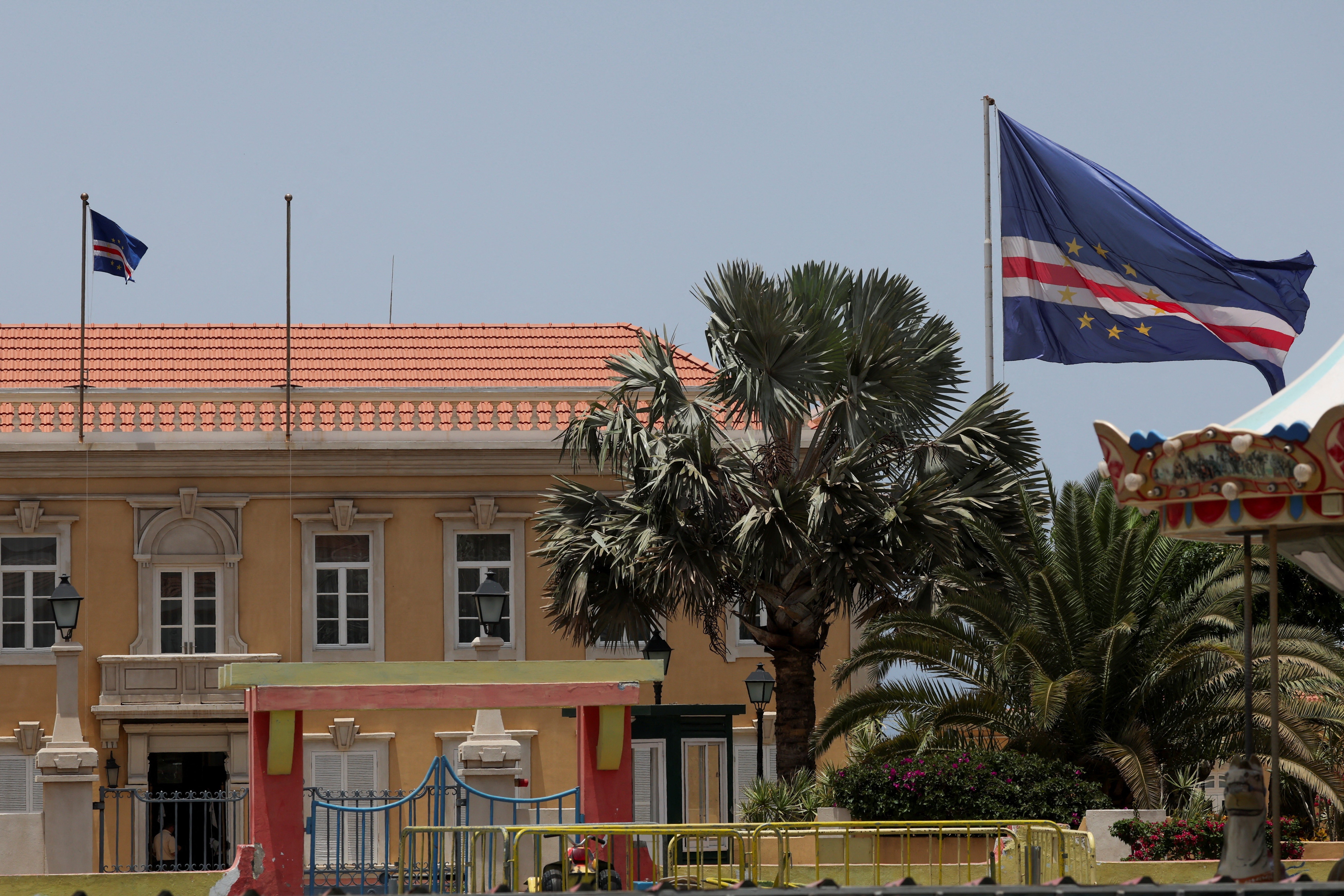
The Cabo Verdean national football team is set to play its most significant match in history against Argentina in the FIFA World Cup knockout stage. This marks an improbable qualification for the tournament's elimination phase, having secured second place in their group, partly due to the strong performance of goalkeeper Vozinha. With approximately 525,000 inhabitants, Cabo Verde becomes the smallest nation ever to reach the knockout stage of a World Cup. The archipelago nation ranks third in population among all countries that have participated in the tournament, with only Iceland and Curaçao having fewer inhabitants, though neither advanced past the group stage. Cabo Verde, composed of ten islands and several islets in the Atlantic Ocean near the African coast, officially uses Portuguese as its language, though Cabo Verdean Creole is widely spoken and understood. The islands were first sighted by Portuguese explorers in 1444 and settled in 1460, finding them uninhabited and populated only by birds and fish. Portugal encouraged settlement from the 15th century, and the archipelago gained economic importance as a strategic stopover for slave ships. Portugal controlled the islands until 1975, when Cabo Verde gained independence, influenced by the fall of the Salazar dictatorship and the liberation struggle led by figures like Amílcar Cabral. Early independent years were under a single-party socialist regime led by President Aristides Pereira, with a proposed union with Guinea-Bissau failing in 1980. The country adopted a multi-party constitution and held regular elections in 1992. Cabo Verde's economy, with a GDP per capita of $5,800, relies heavily on tourism and remittances from its diaspora, despite limited natural resources and arable land. The nation imports most of its food and all its petroleum, with Portugal remaining its primary trading partner. While goalkeeper Vozinha has gained recognition, the country's most internationally famous figure remains singer Cesária Évora.
Cabo Verde's historic qualification for the World Cup knockout stage highlights the increasing global reach of football and the potential for smaller nations to achieve significant sporting success. This accomplishment underscores the importance of talent development and strategic team performance, even in the face of limited resources. The nation's journey also reflects broader themes of post-colonial development and economic diversification, as Cabo Verde navigates its reliance on tourism and remittances while striving for greater self-sufficiency. The team's success may inspire increased investment in sports infrastructure and youth programs, potentially yielding long-term social and economic benefits. Future challenges will involve sustaining this momentum and leveraging the global attention to foster national pride and economic opportunity.
AI-generated to prompt reflection — not editorial opinion, not advice, not a statement of fact. How this works.