Caiado: Elections aren't won by candidates with high rejection rates
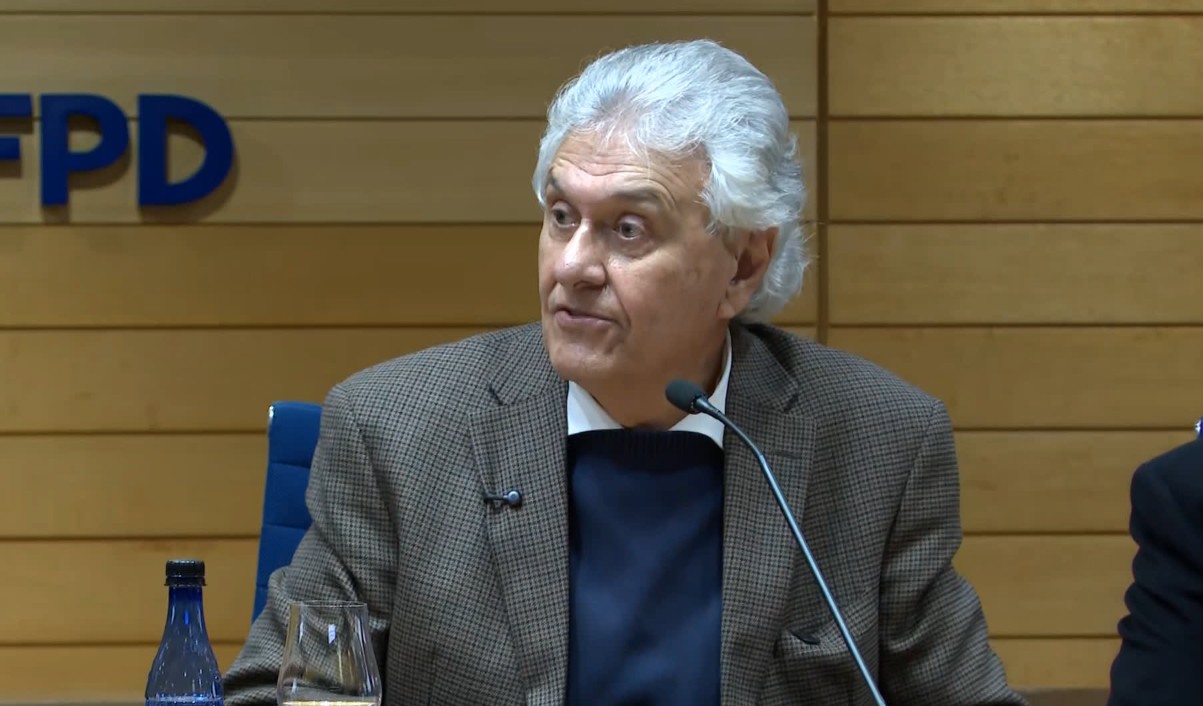
Ronaldo Caiado, a presidential pre-candidate for the PSD party, stated that elections are not won by candidates who are widely rejected. He made this remark at an event with businesspeople in Curitiba, following the release of a new Quaest poll on Wednesday, the 15th. According to the poll, Caiado has 4% of voting intentions for the first round. In a simulated scenario including President Lula (PT), Caiado's support stands at 36%, an increase from 35% in June and May. Caiado believes that voters are currently drawn to either the incumbent president or a candidate with a well-known surname, referring to Flávio Bolsonaro. He pointed out that both Lula and Flávio Bolsonaro also have the highest rejection rates. Caiado emphasized that an election is won by the candidate who can offer a compelling vision for Brazil, especially given the country's current political crisis. He described the upcoming election as being of unique and unparalleled importance in the nation's political history.
The statement by Ronaldo Caiado highlights a common strategic consideration in electoral politics: the balance between name recognition and voter rejection. While high visibility can be an advantage, significant negative perception can become a substantial hurdle. In the context of Brazil's political landscape, this dynamic underscores the challenge of mobilizing a broad base of support when a segment of the electorate holds strong negative views. Future electoral cycles may see candidates focusing more on building consensus and mitigating negative perceptions, particularly as digital platforms amplify both positive and negative messaging. The interplay between established political figures and emerging candidates, influenced by polling data and public sentiment, will continue to shape campaign strategies and electoral outcomes.
AI-generated to prompt reflection — not editorial opinion, not advice, not a statement of fact. How this works.