Caifanes Song Backed as Unofficial Anthem for Mexico vs. England Match
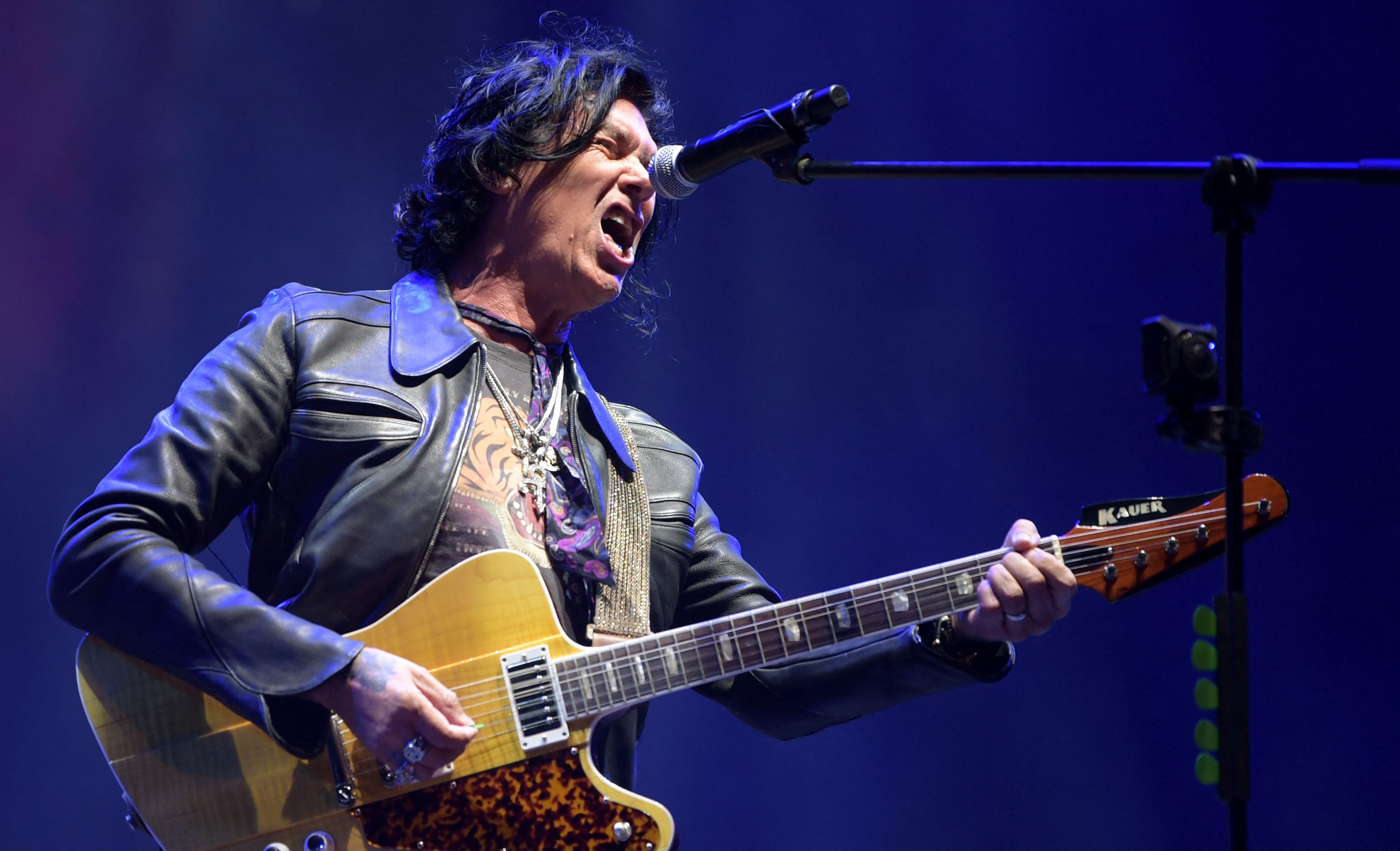
Mexican fans are rallying behind the song "Aquí no es así" by the band Caifanes, proposing it as an unofficial anthem for the upcoming 2026 World Cup match between Mexico and England. This initiative highlights a cultural engagement with music as a way to build national spirit and anticipation for significant sporting events. The selection of a Caifanes track suggests a preference for established Mexican rock music to represent the nation's identity during the tournament. The movement, driven by fans, indicates a grassroots effort to create a shared musical experience connected to the football game. This trend of fans adopting specific songs as anthems is common in major sporting events worldwide, fostering a sense of unity and collective excitement. The choice of "Aquí no es así" could reflect its lyrical themes or its resonance with the Mexican fanbase. The broader context is the anticipation building for the 2026 World Cup, with this musical campaign adding a unique cultural layer to the pre-match atmosphere. The comparison to Oasis in the original headline suggests a potential cultural or musical rivalry, though the provided body text focuses solely on the Caifanes song's adoption.
The fan-driven promotion of a specific song as an unofficial national anthem for a sporting event reflects a common phenomenon where cultural artifacts are leveraged to foster collective identity and enthusiasm. This practice can amplify nationalistic sentiment, potentially influencing fan behavior and the overall atmosphere surrounding the match. From a systems perspective, such organic cultural movements demonstrate the power of social media and fan networks in shaping public discourse and collective experience. While intended to unite, the intense focus on a single anthem could inadvertently create divisions if not universally embraced. Looking ahead, the integration of music and sports fandom highlights evolving engagement models, where shared cultural touchstones become integral to major events, shaping both immediate experiences and long-term collective memory.
AI-generated to prompt reflection — not editorial opinion, not advice, not a statement of fact. How this works.