Cali's Cañaveralejo Wastewater Plant: Phase 2 Designs Revealed, Valle Seeks National Funding
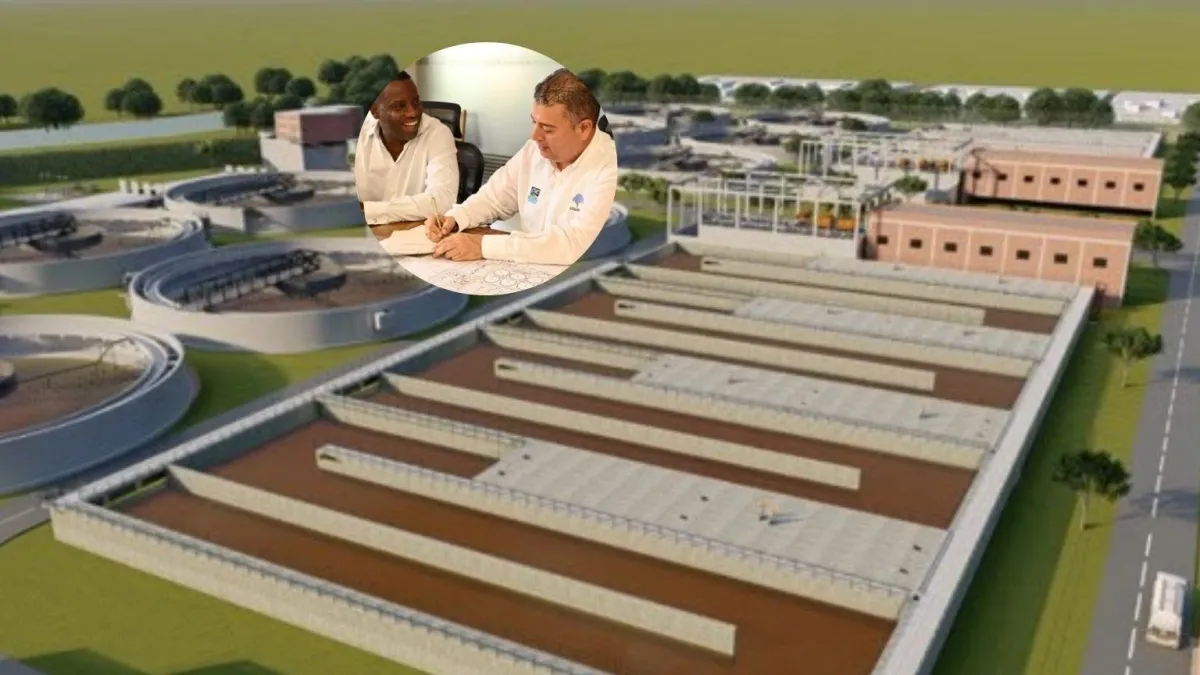
The second phase of construction for the Cañaveralejo Wastewater Treatment Plant (PTAR) in Cali, Colombia, has had its designs unveiled. This crucial upgrade aims to significantly improve the plant's capacity to remove pollutants. Currently, the facility operates at only 30% efficiency in contaminant removal. Upon completion of the second phase, this efficiency is projected to increase dramatically to 90%. This enhancement will prevent approximately 25,000 tons of organic matter from being discharged annually into the environment. The Valle del Cauca regional government is actively seeking financial support from the national government to fund this essential infrastructure project. The successful implementation of these works is vital for improving water quality and environmental protection in the region.
The proposed expansion of the Cañaveralejo Wastewater Treatment Plant represents a significant public health and environmental investment. By increasing contaminant removal from 30% to 90%, the project addresses a critical infrastructure deficit, mitigating the annual discharge of 25,000 tons of organic matter. The reliance on national government funding highlights the potential fiscal constraints at the regional level for such large-scale environmental projects. This situation underscores a broader challenge in Latin America: balancing development needs with the substantial capital required for environmental remediation and infrastructure upgrades. The success of this project could serve as a model for other municipalities facing similar environmental pressures and funding hurdles, demonstrating a pathway to enhanced ecological stewardship through intergovernmental cooperation.
AI-generated to prompt reflection — not editorial opinion, not advice, not a statement of fact. How this works.