California Bans Kratom and 7-OH Supplements Amid Health Concerns
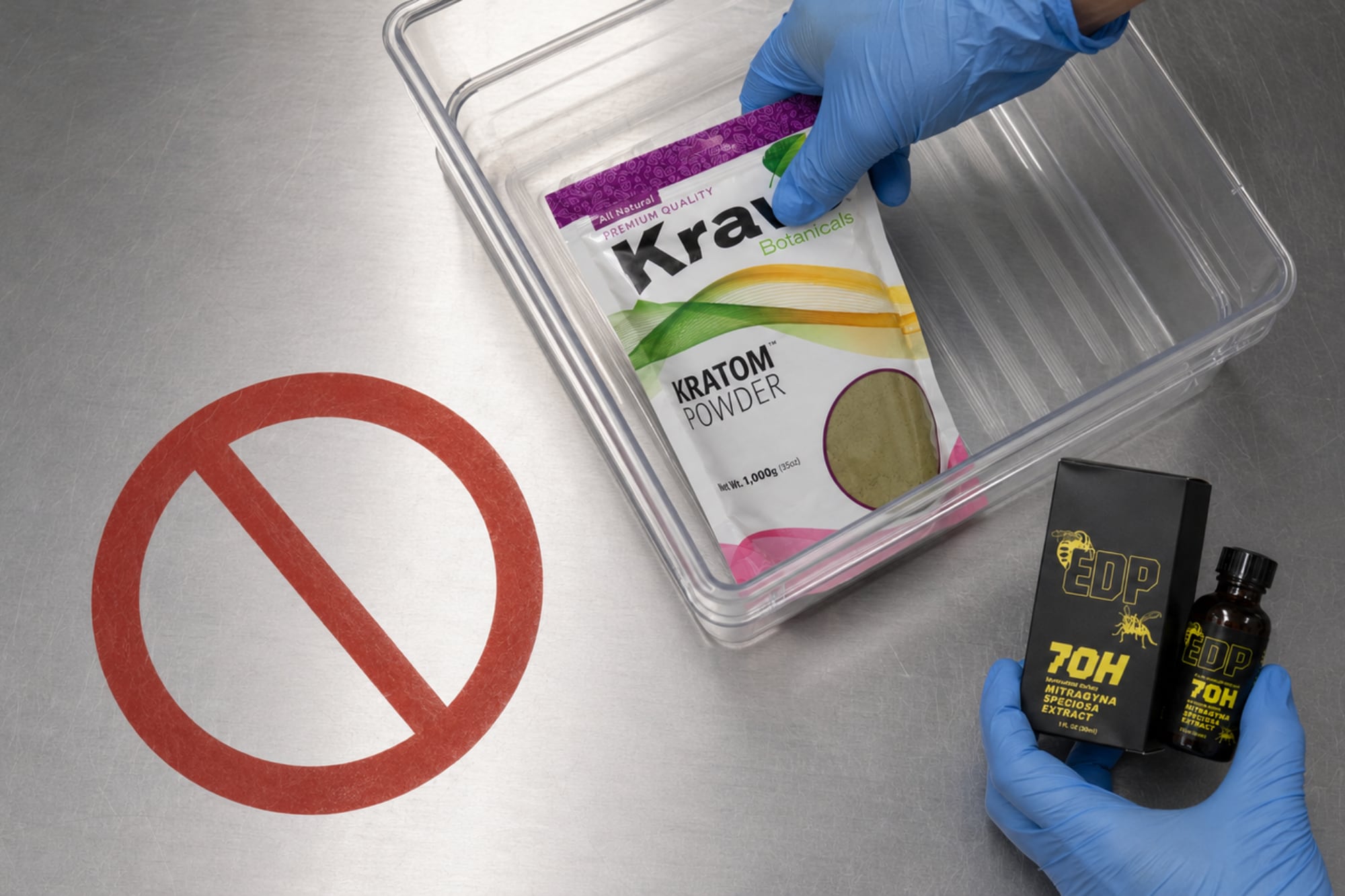
California has declared nearly 7,000 products containing kratom and 7-OH illegal, citing significant health risks associated with these supplements. The move aims to protect public health by removing these substances from the market. Kratom, a tropical tree native to Southeast Asia, has been used for its stimulant and pain-relieving properties. However, it also carries potential side effects, including addiction, withdrawal symptoms, and interactions with other substances. The specific compound 7-OH, often found in kratom, is known for its potent psychoactive effects. Regulatory bodies are increasingly scrutinizing such supplements due to a lack of stringent oversight and potential dangers. The Drug Enforcement Administration (DEA) has also made announcements regarding these substances, indicating a broader federal concern. Consumers are advised to be aware of the legal status and potential health implications of kratom and 7-OH products in California and other jurisdictions.
The California ban on kratom and 7-OH products reflects a growing global trend of regulatory bodies responding to the proliferation of unregulated supplements with potential psychoactive or addictive properties. This action highlights the inherent tension between consumer access to novel substances and the state's responsibility to ensure public safety. The challenge lies in balancing individual liberty with the need for robust scientific evidence and risk assessment before widespread availability. Future regulatory frameworks may need to incorporate more agile mechanisms for evaluating emerging compounds, considering both their potential therapeutic benefits and their public health risks, particularly in the context of evolving consumer markets and the increasing availability of synthetic or semi-synthetic compounds.
AI-generated to prompt reflection — not editorial opinion, not advice, not a statement of fact. How this works.