California Considers Data Center Regulations Amid Energy Cost Concerns
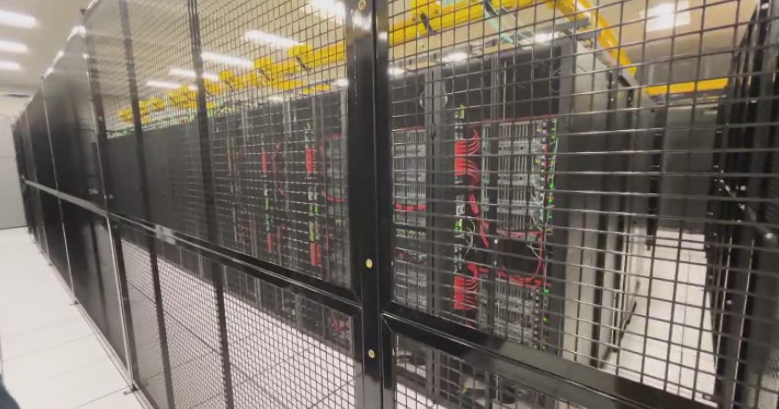
California lawmakers are actively reviewing multiple legislative proposals aimed at regulating data centers. A primary focus of these proposals is to protect utility customers from the rising electricity costs associated with the energy-intensive operations of these facilities. Additionally, the legislation seeks to address the potential environmental impacts that data centers may have. The state is grappling with how to balance the growth of the digital infrastructure with the energy demands and environmental footprint of these operations. These considerations come as communities express growing concerns about the strain data centers place on the state's power grid and the subsequent financial burden on residents. The proposed bills represent an effort to establish a more sustainable framework for the development and operation of data centers within California. The outcome of these legislative discussions could significantly shape the future of the tech industry in the state, particularly concerning energy consumption and environmental responsibility. Lawmakers are looking for solutions that ensure energy affordability and environmental protection while still allowing for technological advancement.
The proposed legislation in California reflects a growing tension between the rapid expansion of digital infrastructure and the finite capacity of existing energy resources. As data centers become increasingly critical for cloud computing, AI, and other digital services, their substantial energy consumption presents a significant challenge for grid stability and affordability. The state's consideration of these proposals highlights a systemic issue: the externalization of energy costs onto utility customers and the environment. Future policy decisions will need to navigate the complex interplay between technological innovation, energy security, and equitable cost distribution. This situation underscores the need for forward-thinking energy policies that incentivize efficiency, promote renewable energy integration, and ensure that the benefits of the digital economy do not come at an unsustainable cost to communities or the environment.
AI-generated to prompt reflection — not editorial opinion, not advice, not a statement of fact. How this works.