California Diaper Program Faces Scrutiny Over Potential Waste, State Records Show
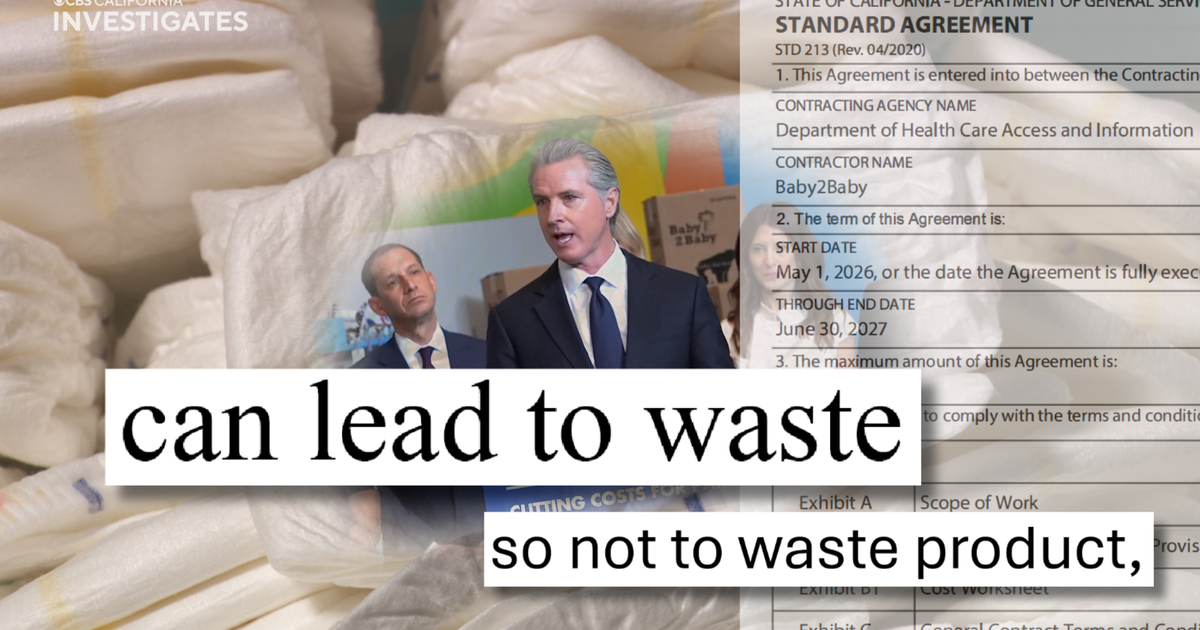
State records have revealed concerns that California's taxpayer-funded diaper program, managed by Baby2Baby, could result in significant waste. The program aims to provide every baby with 400 diapers, but these will be in limited sizes. This approach has drawn criticism, as an alternative proposal from another finalist offered a greater quantity of diapers, a wider range of sizes, and a direct-to-consumer distribution model. The warnings suggest that the current plan might not be the most efficient use of public funds, potentially leading to unused or ill-fitting diapers being distributed. The state's own records highlighted these potential inefficiencies before the program's selection. The focus on limited sizes, despite the generous quantity, raises questions about the program's overall effectiveness in meeting the diverse needs of infants across California.
The state's procurement process for the diaper program appears to have prioritized a specific vendor, Baby2Baby, despite alternative proposals offering greater utility and efficiency. The documented warnings within state records suggest a potential disconnect between the program's design and its intended impact, raising questions about the diligence of the evaluation process. This situation highlights the importance of robust, data-driven decision-making in public spending to ensure taxpayer funds are used effectively and equitably. Future initiatives could benefit from clearer objective criteria and independent review to mitigate risks of waste and ensure programs genuinely serve the needs of all recipients, considering factors beyond mere quantity to include suitability and accessibility.
AI-generated to prompt reflection — not editorial opinion, not advice, not a statement of fact. How this works.