California enacts DNA law to aid identification of missing persons
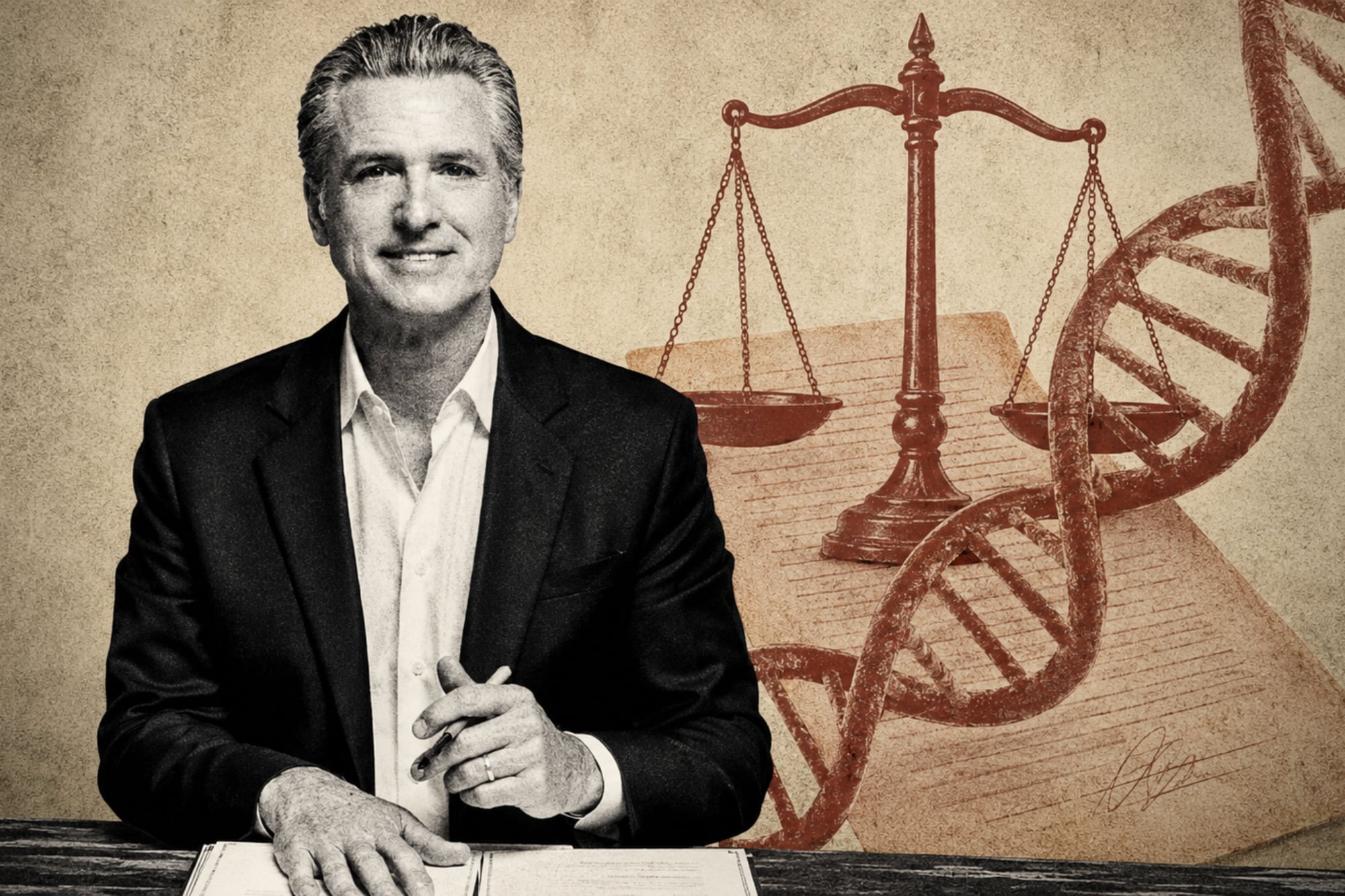
California Governor Gavin Newsom has signed into law Assembly Bill 2018 (AB 2018), expanding the use of DNA testing for identifying missing persons and unidentified remains. This new legislation aims to streamline the process of reuniting families and providing closure by leveraging advanced genetic analysis. The law will facilitate the collection and comparison of DNA samples, potentially leading to quicker identifications and a more comprehensive database. This initiative is expected to significantly improve the state's capacity to handle cases involving individuals who have gone missing or whose remains have been discovered without identification. The expansion of DNA technology under AB 2018 represents a crucial step forward in addressing the persistent challenges of locating and identifying missing individuals in California.
The enactment of AB 2018 in California introduces a technologically driven approach to address the persistent societal challenge of missing persons and unidentified remains. By expanding the use of DNA analysis, the state is enhancing its investigative and identification capabilities. This policy shift reflects a broader trend towards utilizing advanced scientific methods in public safety and forensic science. The long-term implications may involve increased resource allocation for DNA processing and database management, as well as potential ethical considerations regarding data privacy and familial DNA matching. The effectiveness of this law will depend on its implementation, including the accessibility of testing, the integration with existing databases, and the sustained funding for these operations over the next decade.
AI-generated to prompt reflection — not editorial opinion, not advice, not a statement of fact. How this works.