California Governor Declares Wildfires the 'New Normal' Due to Climate Change
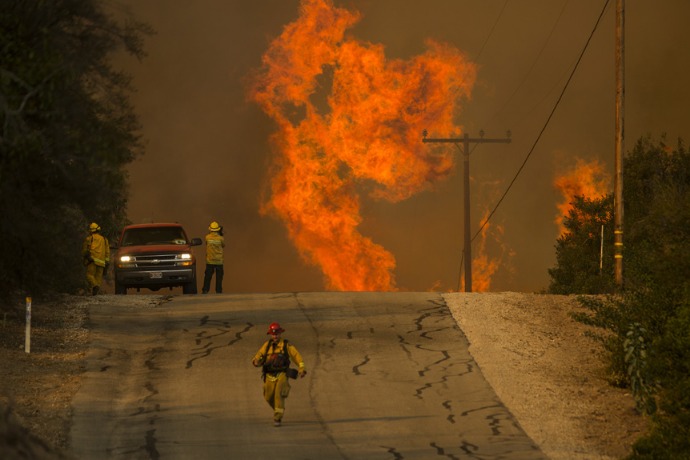
California Governor Jerry Brown has stated that climate change has led to increasingly extreme weather patterns. He emphasized that the western US state must enhance its preparedness for the persistent threat of wildfires, which he characterized as a "new normal." This declaration highlights the growing challenge of managing and mitigating the impact of increasingly frequent and severe fire seasons. The governor's remarks underscore the need for long-term strategies to adapt to these altered environmental conditions. The acknowledgement of wildfires as a "new normal" signals a shift in how the state approaches disaster management and resource allocation. It suggests that proactive measures and sustained investment in fire prevention and response will be crucial. The focus is on building resilience within communities and ecosystems facing these ongoing risks.
The assertion that wildfires represent a "new normal" in California, driven by climate change, frames the issue as an ongoing environmental condition rather than an isolated event. This perspective encourages a shift from reactive disaster management to proactive, long-term adaptation strategies. Such a framing invites consideration of systemic factors, including land-use policies, forest management practices, and urban planning in fire-prone areas, alongside the undeniable influence of global climate trends. The challenge for policymakers and communities lies in developing sustainable frameworks that integrate these complex variables to foster resilience and mitigate escalating risks over the next decade and beyond.
AI-generated to prompt reflection — not editorial opinion, not advice, not a statement of fact. How this works.