California Governor Newsom Delays Medi-Cal Cuts Until 2027
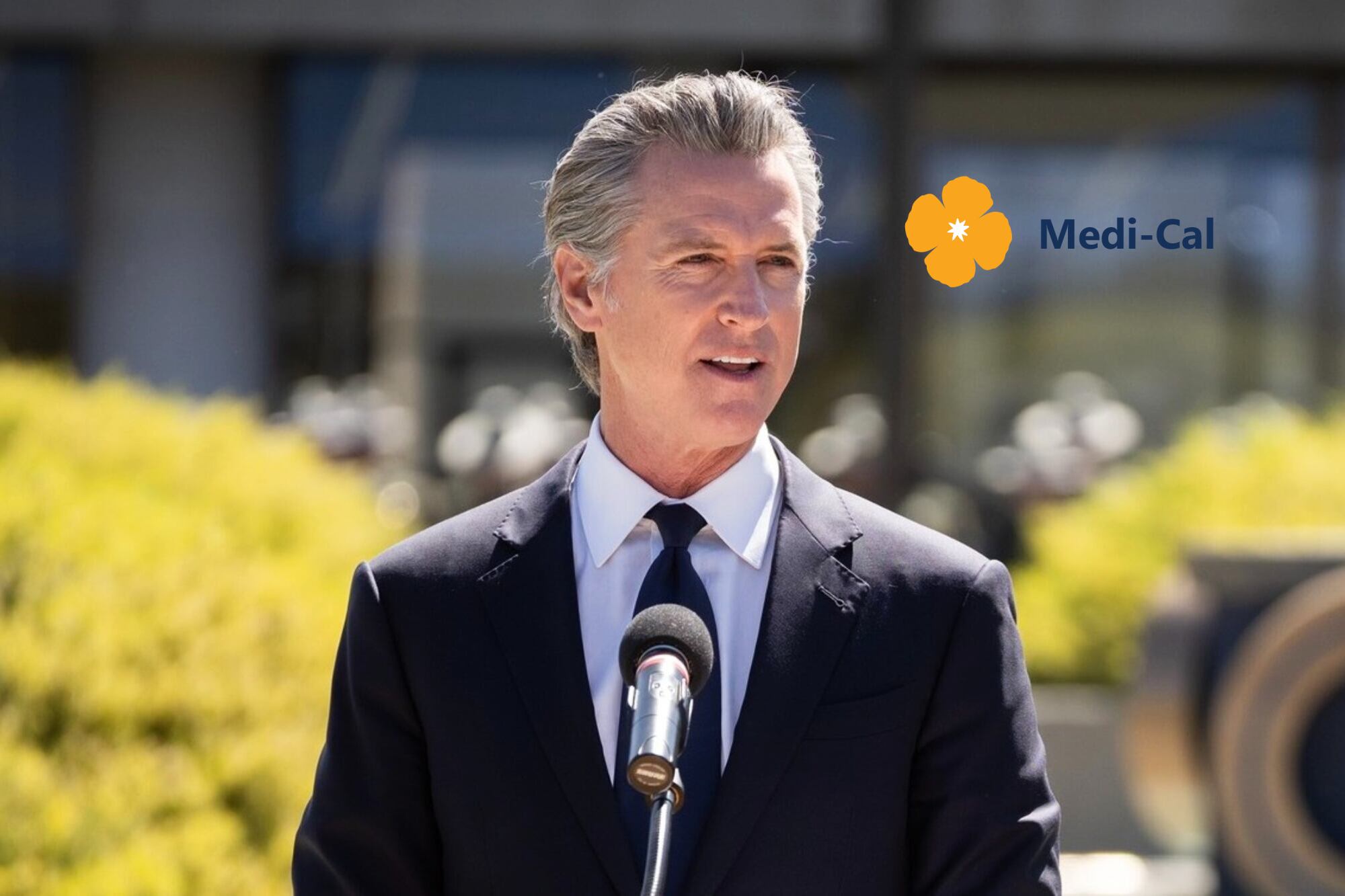
California Governor Gavin Newsom has signed the state's 2026-27 budget, which includes a provision to postpone previously planned cuts to Medi-Cal services until 2027. This decision offers temporary protection for essential services, including dental care, and various social programs funded through the state's health insurance program for low-income residents. The budget aims to balance fiscal responsibilities while mitigating the immediate impact on vulnerable populations. Newsom's administration has emphasized its commitment to maintaining access to healthcare for millions of Californians. The delay provides a window for further fiscal planning and potential alternative solutions to address future budget shortfalls. This move is seen as a significant victory for advocacy groups who have been campaigning against the proposed reductions. The governor's office stated that the budget reflects a careful consideration of competing priorities and a dedication to supporting those most in need. Further details on the specific programs affected and the exact timeline for the eventual implementation of any changes are expected to be released in subsequent communications.
The governor's decision to postpone Medi-Cal cuts until 2027 reflects a common governmental strategy of deferring difficult fiscal decisions, particularly those impacting large, politically sensitive constituencies. This approach buys time but does not resolve underlying budget deficits, potentially shifting the burden to future administrations or necessitating more drastic measures later. The move highlights the ongoing tension between fiscal sustainability and the provision of social safety nets, a challenge amplified by evolving healthcare costs and demographic shifts. Looking ahead, California, like many states, will need to grapple with sustainable funding models for healthcare and social services in an era of increasing demand and uncertain revenue streams, especially as the state navigates broader economic and technological transformations.
AI-generated to prompt reflection — not editorial opinion, not advice, not a statement of fact. How this works.