California Immigration Courts Overwhelmed, Thousands of Latinos Face Deportation Risk
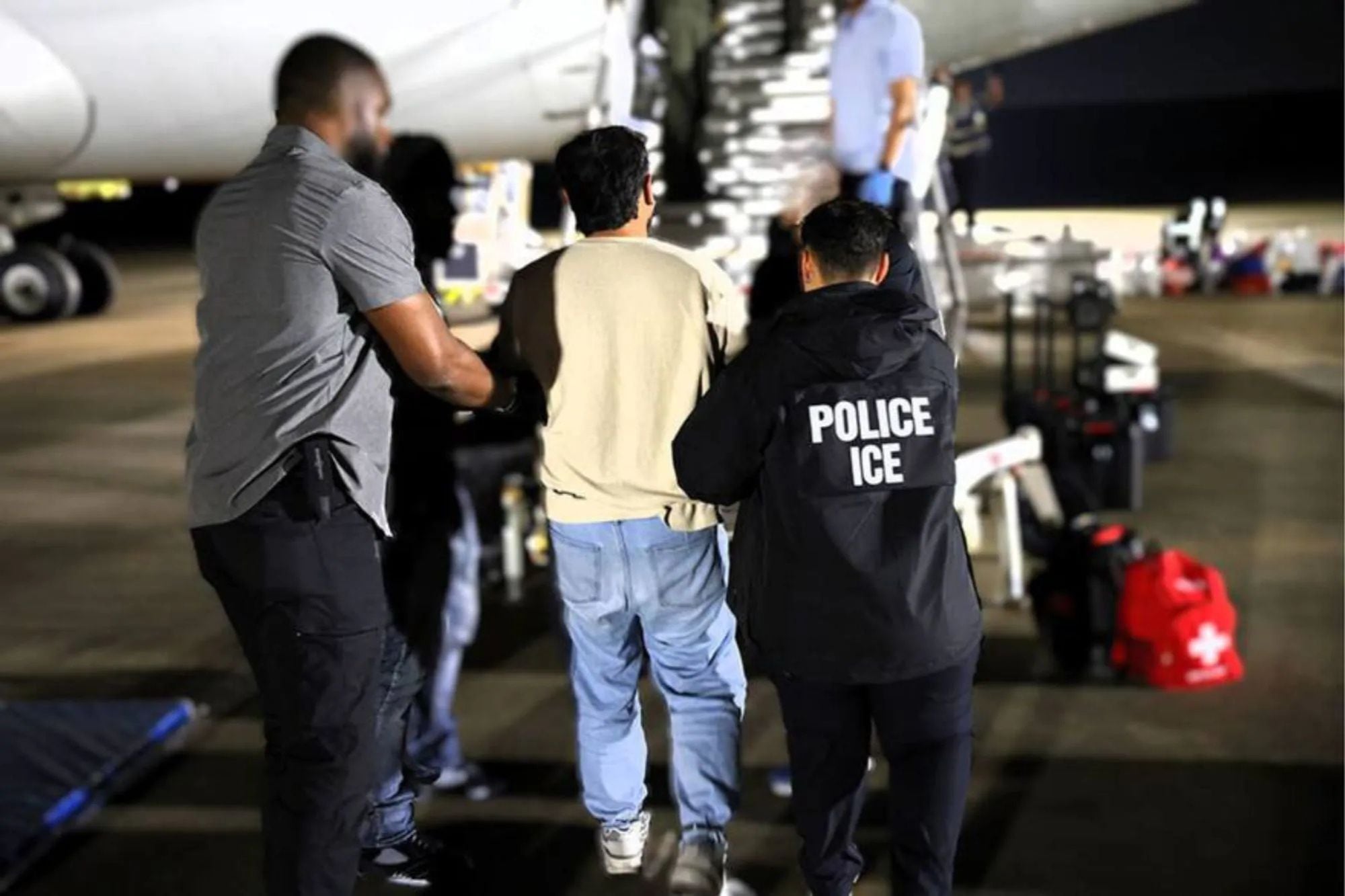
Immigration courts in California are experiencing a collapse, placing thousands of Latino individuals at risk of deportation. This crisis is largely attributed to the implementation of new, large-scale hearings that are overwhelming the system's capacity. The current situation means that many cases are not being processed efficiently, leading to prolonged uncertainty for immigrants and increasing the likelihood of adverse outcomes, including deportation. The sheer volume of cases and the complexity of the legal processes involved are contributing factors to this bottleneck. Advocates are concerned that the system's inability to cope will disproportionately affect the Latino community, which forms a significant portion of the immigrant population in California. The strain on judicial resources and personnel is evident, as the courts struggle to manage the influx of cases. This situation raises serious questions about the fairness and accessibility of the immigration justice system for vulnerable populations. The potential for widespread deportations stemming from this systemic failure is a major concern for immigrant rights organizations and the individuals directly affected.
The strain on California's immigration courts highlights systemic inefficiencies in processing large caseloads, potentially driven by policy changes or increased enforcement. This situation creates a challenging environment where due process may be compromised due to resource limitations, impacting individuals' legal standing and increasing deportation risks. The focus on mass hearings, while perhaps intended to expedite processes, appears to be exacerbating backlogs and creating unintended consequences. Moving forward, a critical examination of resource allocation, judicial capacity, and case management strategies is necessary to ensure a more equitable and functional immigration system. The long-term implications involve not only individual lives but also the broader societal integration of immigrant communities, underscoring the need for sustainable solutions that balance enforcement with humanitarian considerations.
AI-generated to prompt reflection — not editorial opinion, not advice, not a statement of fact. How this works.