California Officials Address Migrant Impact of ICE's New Detention Center Purchases
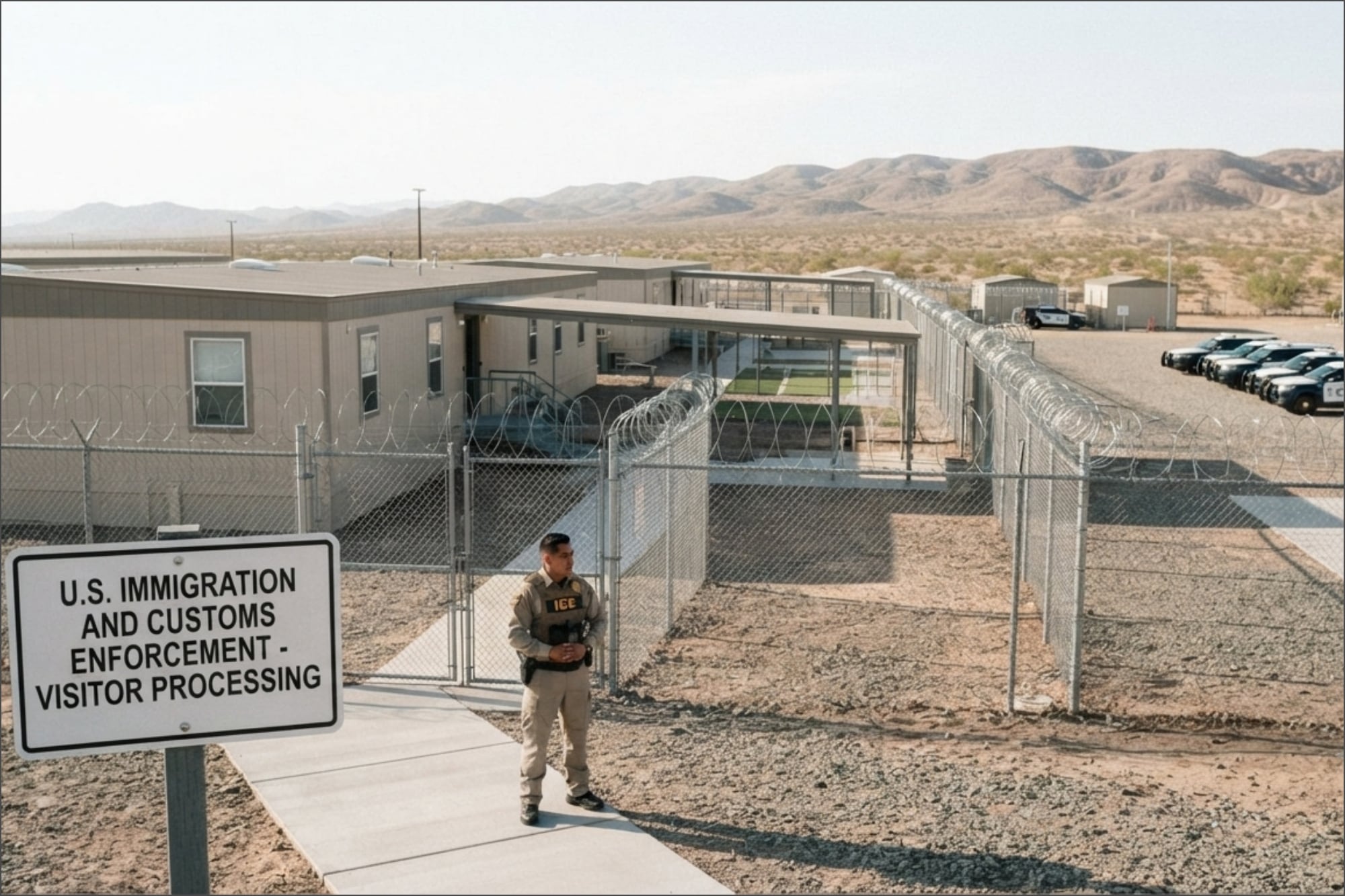
California officials are clarifying the implications for migrants following the recent acquisition of two large-scale detention facilities by Immigration and Customs Enforcement (ICE). The purchase of these new centers raises significant questions about how ICE will manage its custody operations and the future treatment of individuals in detention. The move signals a potential shift in the agency's capacity and approach to detaining migrants within the state. Details regarding the specific operational changes and the number of individuals these facilities can hold have not yet been fully disclosed. However, the acquisition is expected to influence the daily lives and legal processes faced by many migrants seeking to enter or remain in the United States. Advocacy groups are closely monitoring the situation, expressing concerns about potential impacts on migrant rights and access to legal resources. The long-term effects on California's immigration landscape and the broader national detention system remain to be seen. Further information is anticipated as ICE outlines its plans for the newly acquired properties.
The acquisition of new detention centers by ICE, as reported by California officials, highlights the ongoing tension between border enforcement strategies and humanitarian considerations. From a systems perspective, this move suggests a continued reliance on detention as a primary tool for managing migrant flows, potentially indicating a lack of investment in alternative, less restrictive processing methods. The financial commitment involved in purchasing such large facilities warrants scrutiny regarding resource allocation and the long-term sustainability of detention-based policies. Evaluating this decision through a decade-long lens, it raises questions about whether such infrastructure investments align with evolving international norms and potential shifts in global migration patterns driven by climate change and economic instability. The focus on physical capacity may overshadow the need for comprehensive case management and support services, potentially creating bottlenecks and exacerbating challenges for both migrants and the agencies involved.
AI-generated to prompt reflection — not editorial opinion, not advice, not a statement of fact. How this works.