Call for Inclusive Disaster Risk Reduction Strategies
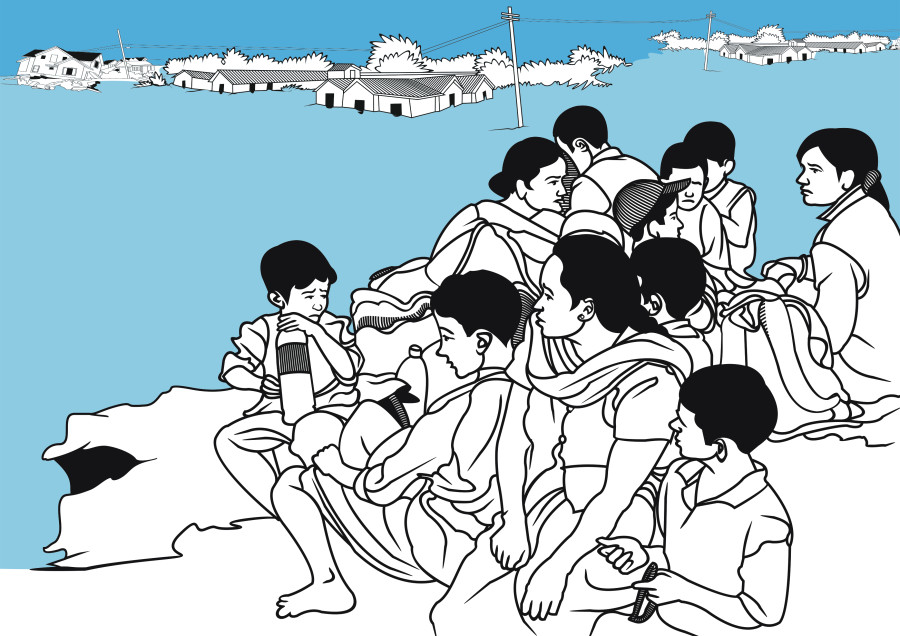
Disasters disproportionately affect different population groups, yet current preparedness and response measures are often generalized. This approach fails to acknowledge and address the specific vulnerabilities and needs of diverse communities. A more inclusive strategy is required to ensure that disaster risk reduction efforts are effective for everyone. Such strategies must consider the unique challenges faced by marginalized populations, including women, children, the elderly, people with disabilities, and ethnic minorities. Tailoring interventions to these specific groups can significantly improve their resilience and safety during and after disaster events. The current generalized approach risks leaving vulnerable populations behind, exacerbating existing inequalities. Therefore, a fundamental shift towards inclusive planning and implementation is necessary to build truly resilient societies.
The current generalized approach to disaster risk reduction overlooks critical disparities in impact and vulnerability across different demographic groups. This systemic oversight can lead to inequitable outcomes, where marginalized communities bear a disproportionate burden during crises. Future disaster management frameworks must integrate granular, needs-based assessments to ensure that preparedness and response mechanisms are tailored to the specific requirements of all segments of the population. This inclusive approach is not merely a matter of equity but a strategic imperative for enhancing overall societal resilience in the face of escalating climate-related and other catastrophic events.
AI-generated to prompt reflection — not editorial opinion, not advice, not a statement of fact. How this works.