Cambodia: Border Conflict's Lingering Impact Despite Seven Months of Truce
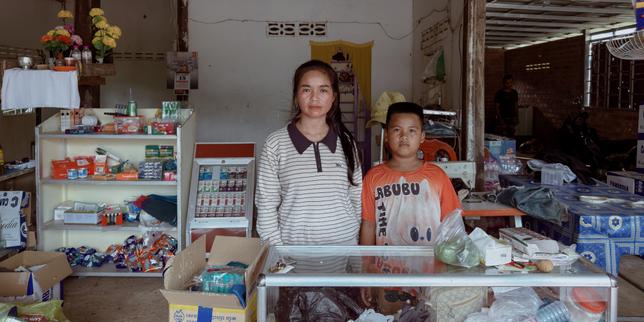
Despite a seven-month truce, the lives of Cambodians living near the Thai border remain disrupted following two waves of clashes in July and December 2025. The conflict has led to significant upheaval, with residents experiencing land loss and weakened incomes. The fear of renewed hostilities persists, preventing a return to normalcy for the affected communities. The initial clashes, which occurred in July and then again in December 2025, severely impacted the daily lives of Khmer people residing in the border region. Even with a fragile ceasefire in place for over seven months, the path to recovery and stability is proving elusive. The long-term consequences of the fighting continue to cast a shadow over the area, highlighting the challenges of rebuilding and restoring confidence.
The prolonged impact of border skirmishes, even after a cessation of hostilities, underscores the fragility of peace and the deep-seated economic and social consequences of conflict. Persistent fear and material losses can hinder recovery, suggesting that lasting stability requires not only military truces but also robust mechanisms for land restitution, economic support, and community reconciliation. Looking ahead, addressing the root causes of such border disputes and establishing durable conflict resolution frameworks will be crucial for preventing future disruptions and fostering sustainable development in the region, particularly in the context of evolving geopolitical dynamics.
AI-generated to prompt reflection — not editorial opinion, not advice, not a statement of fact. How this works.