Cambrian 'Fecal Revolution' Fueled Complex Marine Ecosystems 540 Million Years Ago
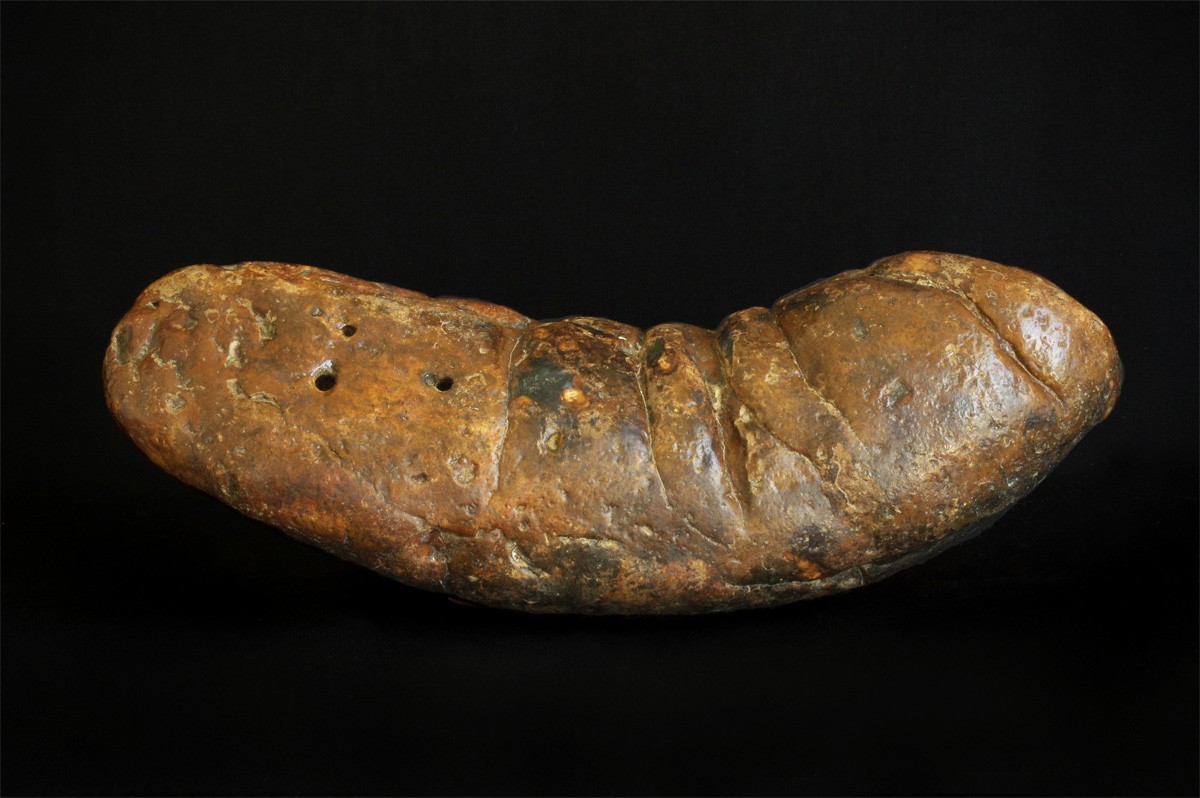
A significant shift in how early animals fed and digested food around 540 million years ago may have fundamentally transformed Earth's oceans. A new scientific review suggests that an increase in the quantity and variety of animal feces produced during this period, known as the Cambrian period, helped distribute nutrients throughout the sea. This process, dubbed the 'Cambrian fecal revolution,' created conditions conducive to the emergence of more complex ecosystems. It was during this time that many major animal groups appeared, leading to a rapid diversification of marine life, commonly referred to as the Cambrian explosion. As animals developed more sophisticated digestive systems and consumed a wider range of food, they began producing larger and more diverse waste products. These feces acted as nutrient packets, transporting organic matter from the ocean surface to deeper regions, thereby supplying other organisms. This increased the availability of food and delivered essential nutrients to deeper ocean zones, opening up new habitats for life. Researchers analyzed evidence from over 35 fossil sites globally, including fossilized feces called coprolites, which ranged from microscopic particles to several centimeters in size. Some coprolites contained shells and animal fragments, indicating the increasing complexity of feeding relationships. Evidence of predation and preserved prey remains within fossilized digestive tracts further supports this notion. The study acknowledges that while fecal transport was a key factor, it was not the sole cause of the Cambrian explosion. Other elements, such as rising oxygen levels, environmental changes, and increased predation, also played crucial roles. The research adds a new perspective, suggesting that nutrient transport via feces may have accelerated the diversification of ocean life, laying the groundwork for modern marine ecosystems.
This study reframes a pivotal moment in Earth's history, highlighting how biological processes, specifically waste production and nutrient cycling, can drive macro-evolutionary change. By focusing on the physical output of early life—feces—the research offers a tangible mechanism for nutrient dispersal that supported the burgeoning complexity of Cambrian ecosystems. This perspective underscores the interconnectedness of biological systems and their environment, suggesting that seemingly simple biological functions can have profound, long-term ecological consequences. Examining such ancient processes through the lens of modern ecological principles provides a robust framework for understanding the foundational drivers of biodiversity and the resilience of marine environments over geological timescales. It prompts consideration of how current human-induced environmental changes might similarly alter nutrient cycles and ecosystem stability in the future.
AI-generated to prompt reflection — not editorial opinion, not advice, not a statement of fact. How this works.
