Cambridge Professor Defends Work Amidst Plagiarism Allegations
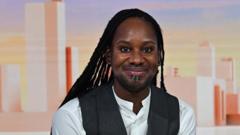
Professor Jason Arday of Cambridge University has responded to accusations of plagiarism that have emerged online. While acknowledging that errors were made in his academic work, Professor Arday firmly stated that he is not a liar. The criticism has centered on his scholarly contributions and the integrity of his research. Professor Arday's defense comes after significant online attention and scrutiny of his published materials. He aims to address the concerns raised by his peers and the public regarding the accuracy and originality of his academic output. The situation highlights the intense scrutiny faced by academics in the digital age, where scholarly work can be rapidly disseminated and debated.
The situation surrounding Professor Arday's work underscores the critical importance of rigorous academic integrity and transparent attribution in scholarly research. In an era of rapid information sharing, the potential for errors, whether intentional or unintentional, can quickly gain widespread attention. Institutions like Cambridge University face the challenge of balancing the need for thorough investigation with the protection of academic freedom and reputation. The public discourse also reflects a broader societal expectation for accountability from public figures in academia. Moving forward, clear institutional policies and robust peer review processes are essential to maintain trust and uphold the high standards expected in higher education, particularly as AI tools become more prevalent in research and writing.
AI-generated to prompt reflection — not editorial opinion, not advice, not a statement of fact. How this works.