Cambridge's Youngest Black Professor Faces Plagiarism Allegations
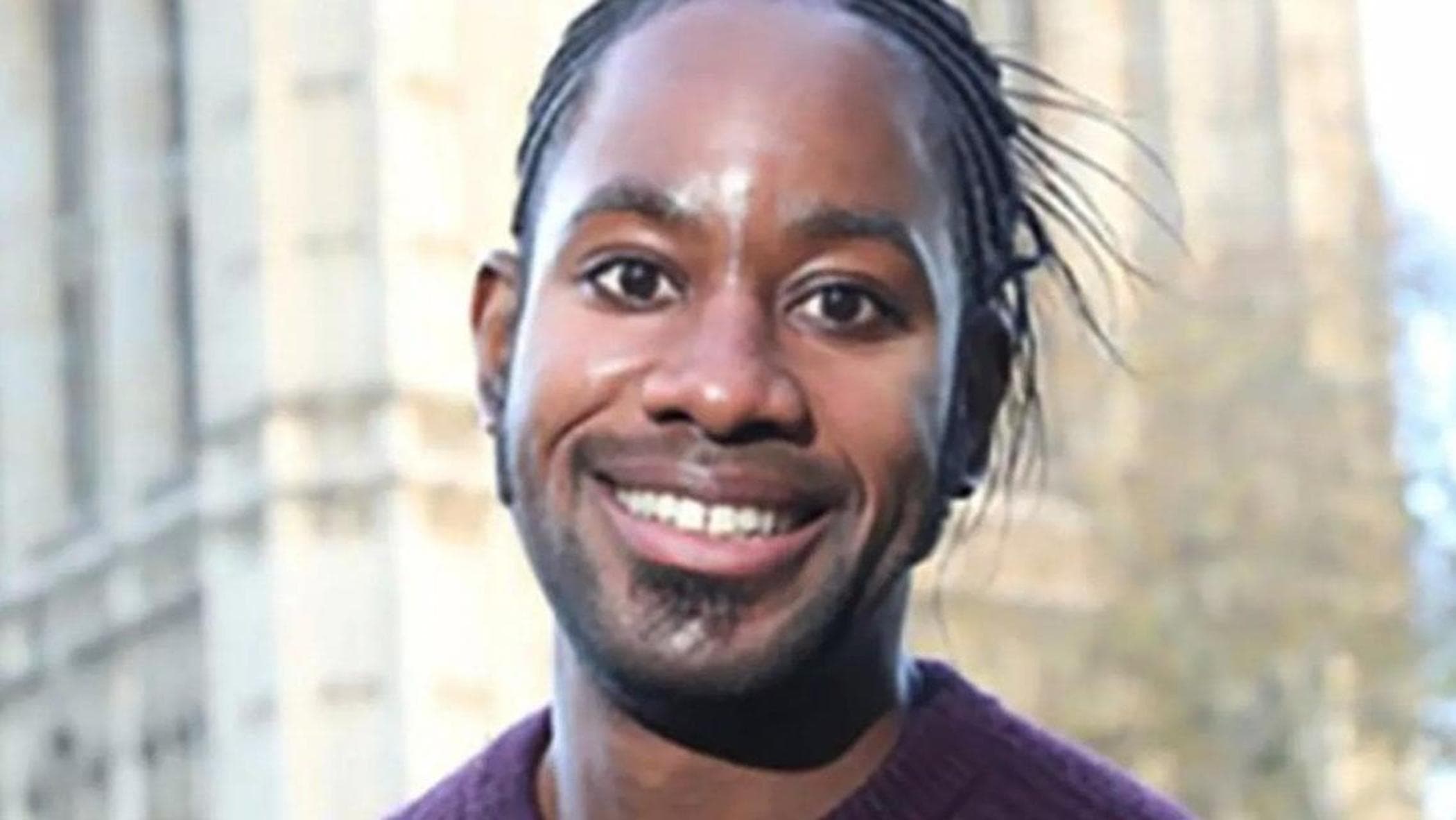
Dr. Jason Arday, the youngest Black professor at Cambridge University, is facing accusations of plagiarism regarding his doctoral thesis and fabricated biographical details. Arday, who is 41 years old, was diagnosed with autism and dyslexia and did not speak until the age of 11. He later achieved significant success as a sociologist. The allegations suggest that he copied parts of his PhD and misrepresented aspects of his life story. Arday has denied these claims, asserting that he is the victim of a "witch hunt" targeting Black academics. The controversy raises questions about academic integrity and the scrutiny faced by individuals from underrepresented backgrounds in academia.
The emergence of plagiarism allegations against Dr. Jason Arday, Cambridge's youngest Black professor, highlights the complex intersection of academic scrutiny, personal background, and public perception. While allegations of academic misconduct require thorough and impartial investigation, the professor's own framing of the situation as a "witch hunt" against Black academics introduces a critical dimension. This perspective suggests that the scrutiny might be amplified due to his identity, potentially influenced by systemic biases within academia. Evaluating such cases necessitates a careful balance: upholding rigorous standards of scholarly integrity while remaining vigilant against potential discrimination or disproportionate targeting. The long-term implications could involve reinforcing or challenging existing power structures and biases within higher education institutions, impacting future appointments and the perceived legitimacy of diverse scholars.
AI-generated to prompt reflection — not editorial opinion, not advice, not a statement of fact. How this works.