Camera-Based Motion Capture for CGI
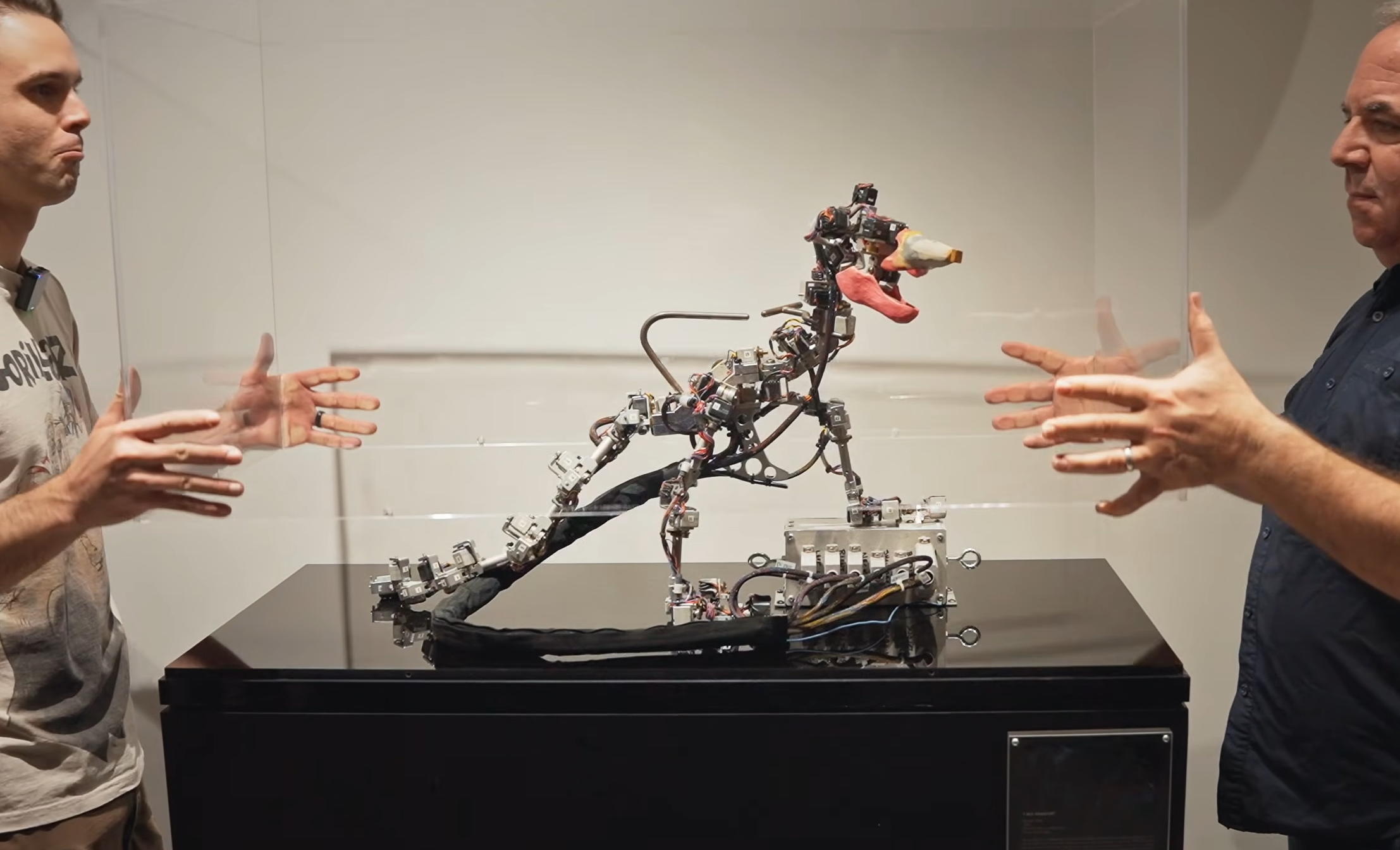
Computer-generated imagery (CGI) has become a dominant force in major film productions, gradually supplanting the use of physical models. This evolution was not instantaneous, as there was a period where efforts were made to integrate CGI with traditional methods. The advancement of technology has now reached a point where sophisticated CGI motion capture can be achieved using only a standard camera. This development signifies a major leap forward in visual effects production, potentially streamlining workflows and reducing costs associated with motion capture technology. The ability to capture detailed motion data with a single camera opens up new possibilities for filmmakers, from independent creators to large studio productions. This innovation promises to make advanced CGI techniques more accessible and efficient.
The increasing reliance on CGI in film production highlights a significant technological shift, moving from physical assets to digital ones. The development of camera-only motion capture suggests a trend towards democratizing advanced visual effects. This innovation could reduce barriers to entry for smaller studios and independent filmmakers, fostering greater creativity and diverse storytelling. However, it also raises questions about the future of specialized motion capture hardware and the evolving skill sets required in the industry. As AI continues to advance, we may see further integration of machine learning in interpreting and refining captured motion data, potentially leading to even more realistic and cost-effective CGI.
AI-generated to prompt reflection — not editorial opinion, not advice, not a statement of fact. How this works.