Cameras Installed to Enforce Truck Ban on Merwedebrug Bridge
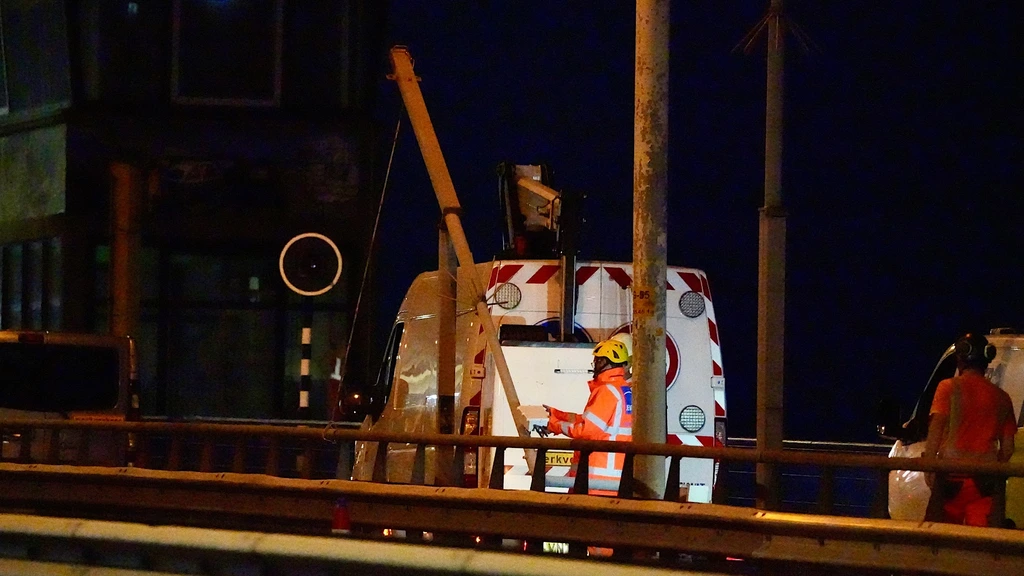
Rijkswaterstaat has installed the first cameras at the Merwedebrug bridge to enforce the truck ban, with fines of 500 euros now being issued for violations. The bridge, located on the A27 near Gorinchem, has been closed to all truck traffic since Saturday afternoon due to structural weaknesses in its steel arch, which can no longer guarantee the safety of heavy vehicles. The closure has caused significant detours for transporters, sometimes adding over an hour to their routes. Despite the ban, many truck drivers have continued to use the bridge, with dozens observed crossing in just half an hour on Monday morning. The newly deployed detection cameras will identify offenders, with cameras already operational in the southbound lanes and planned for the northbound lanes. Complaints on social media highlight issues with unclear signage, with one driver noting the ban is only indicated twice and difficult to read, especially for foreign drivers unfamiliar with the location. Furthermore, many navigation systems continue to direct trucks over the bridge, leading drivers to follow their GPS. Rijkswaterstaat acknowledges these communication challenges and plans to improve roadside messaging, including exploring multilingual announcements to address the concerns raised by drivers.
The implementation of cameras to enforce the Merwedebrug truck ban addresses immediate safety concerns stemming from structural integrity issues. However, the persistent use of the bridge by trucks suggests a potential disconnect between physical infrastructure limitations and the operational realities of the logistics sector, particularly for international drivers. This incident highlights the critical need for integrated traffic management systems that account for real-time structural data and proactively update navigation platforms. Future infrastructure projects and traffic regulations should incorporate more robust, multilingual communication strategies and seamless integration with digital routing services to prevent such compliance challenges and ensure both safety and efficiency in transportation networks.
AI-generated to prompt reflection — not editorial opinion, not advice, not a statement of fact. How this works.